Good Morning, Judge.
What will be my fine?
Good Morning, Judge.
What will be my fine?
He said I’m glad I got to see you,
That’ll be a dollar forty-nine.
…
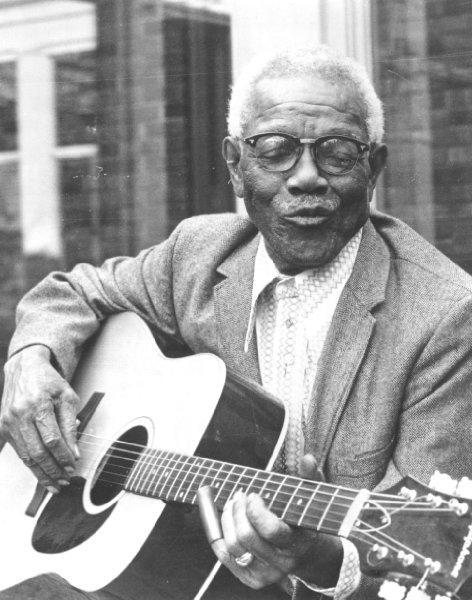
They arrested me for forgery, I can’t even sign my name
(Judge Harsh Blues)
–
Furry Lewis was the only blues singer of the 1920s to achieve major media attention in the ’60s and ’70s. One of the most recorded Memphis-based guitarists of the late ’20s, Lewis’ subsequent fame 40 years later was based largely on the strength of those early sides. One of the very best blues storytellers, and an extremely nimble-fingered guitarist into his seventies, he was equally adept at blues and ragtime, and made the most out of an understated, rather than an overtly flamboyant style.
~Bruce Eder (allmusic.com)
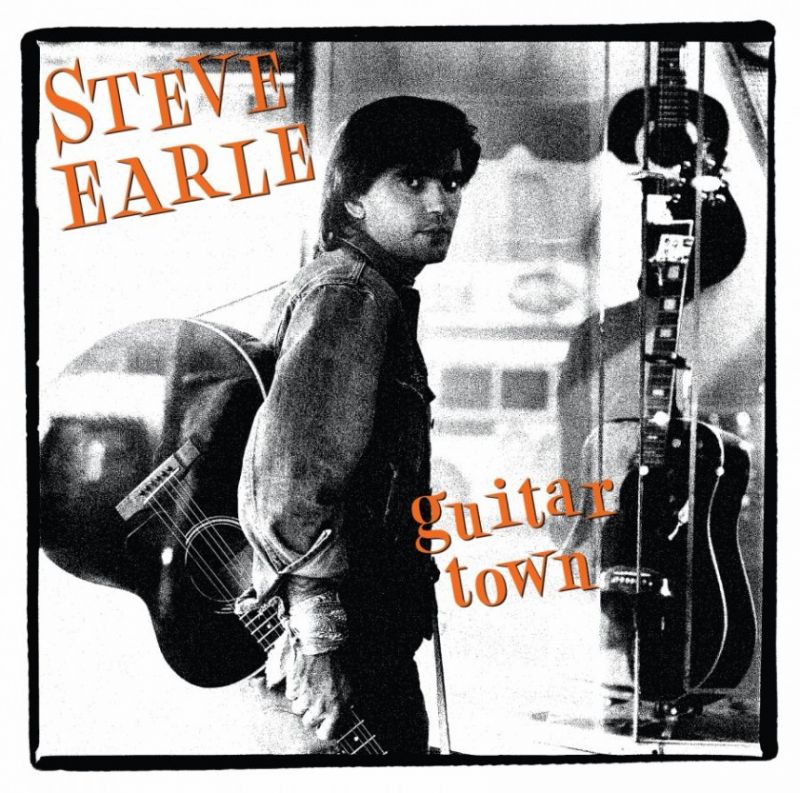
The first two things I wrote were Guitar Town and Down the Road, because I was looking for an opening and an ending. So I wrote ’em like bookends, and then filled in the spaces in the middle. And the album’s kind of about me. It’s kind of personal.
~Steve Earle (to Alanna Nash – May 1986)
Guitar Town was his first shot at showing a major audience what he could do, and he hit a bull’s-eye — it’s perhaps the strongest and most confident debut album any country act released in the 1980s.
~Mark Deming (allmusic)
Now I wish I could write you a melody so plain
That could hold you dear lady from going insane
That could ease you and cool you and cease the pain
Of your useless and pointless knowledge
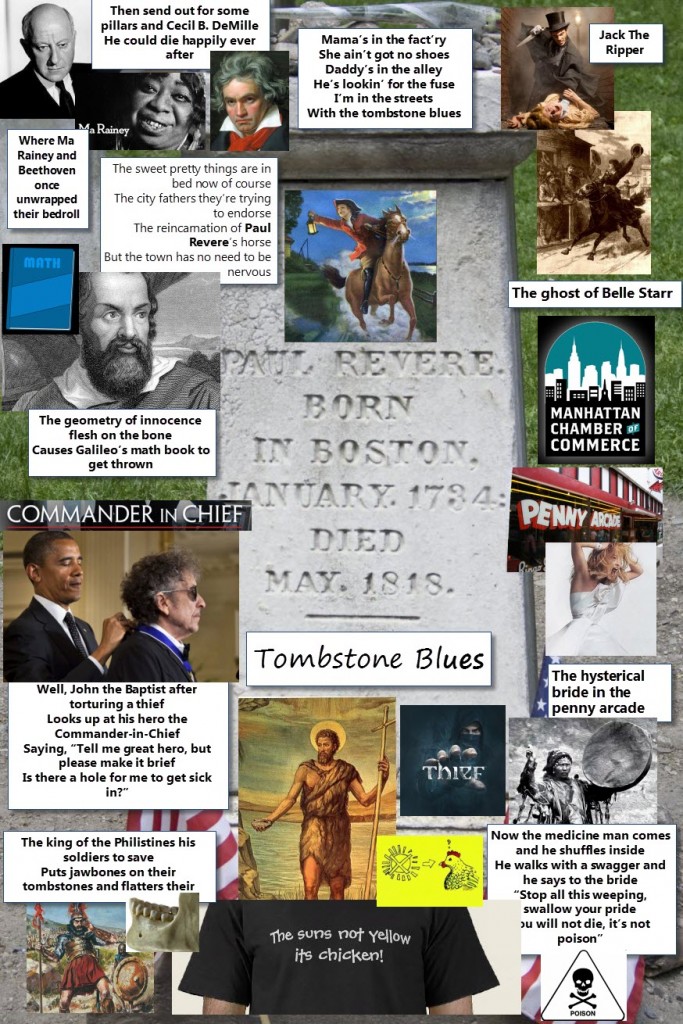
Mama’s in the fact’ry
She ain’t got no shoes
Daddy’s in the alley
He’s lookin’ for the fuse
I’m in the streets
With the tombstone blues
–
The Vietnam War was one of the things going through Dylan’s mind when he wrote/sang “Tombstone Blues” (” … fattens the slaves/then sends them out to the jungle”), but one would be hard put to claim the song is about the war. The influence of Depression-era songs like “Wandering” (“Daddy is an engineer/Brother drives a hack/Sister takes in washing/And the baby balls the jack”) can also be spotted, but shall we then say it’s a song about the “new Depression”?
~Paul Williams (Bob Dylan Performing Artist I: The Early Years 1960-1973)
… the star of this show is [Mike] Bloomfield, whose between-verse solos build from heated to blistering, jackrabbiting helter-skelter over the fretboard, anticipating and pointing the way to Alvin Lee, Johnny Winter, and any other late-sixties guitarist who took blues riffs and fed them uppers. It is practically the only time on the album that he’ll get to shine like this. [..] Bloomfield uses his axe like a flamethrower, spewing liquid fire over the space between the vocals, he and Dylan marauding the tune like twin Gypsy Davies burning out the camps, leaving only scorched earth. Take him away and the song remains lyrically strong but musically weakened, its engine a few cylinders short.
~Mark Polizzotti (Bob Dylan’s Highway 61 Revisited (33 1/3))
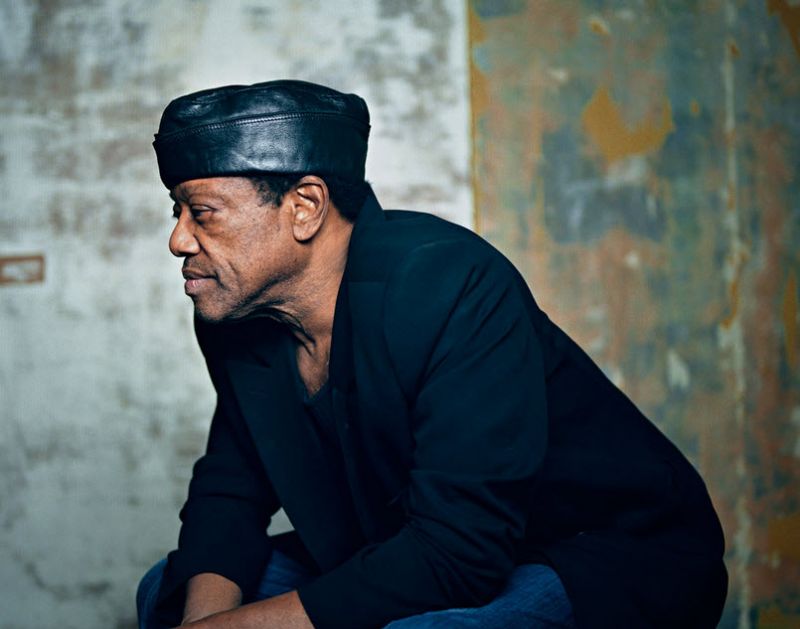
It is my fondest wish that the gift of song that God has given me will flow from my soul to yours and help ease any burden that might weigh upon you.
~Bobby Womack
You gotta know when it’s time to hang up. But when I finally go, let me go out on stage, my perfect ending. Don’t let me go when I’m sick or asleep. Let me be in motion.
~Bobby Womack
Ron Wood inducts Bobby Womack Rock and Roll Hall of Fame:
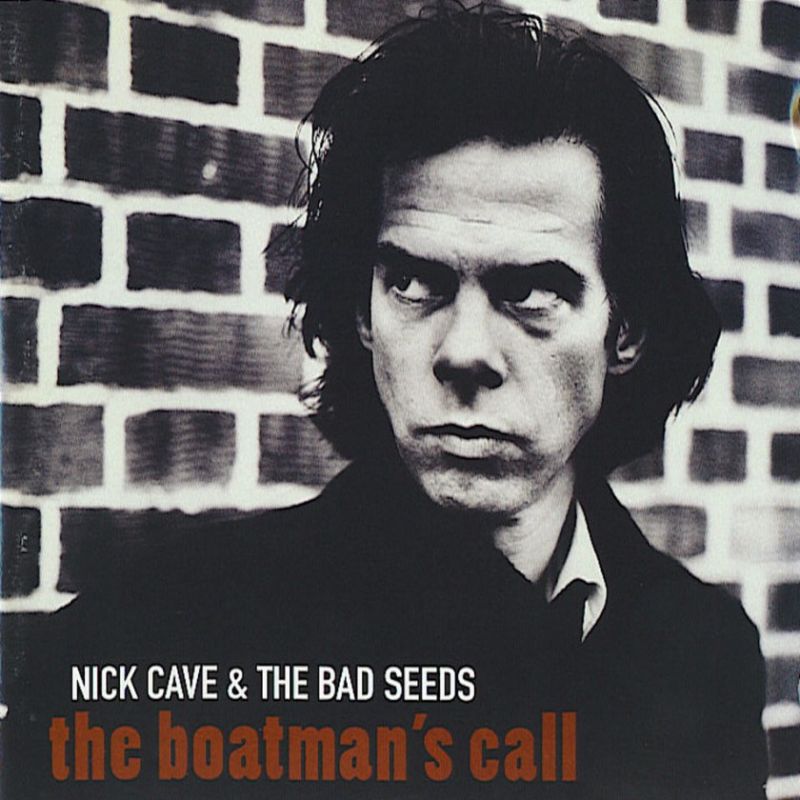
..It speak volumes about the album’s universality that its songs have soundtracked everything from Michael Hutchence’s funeral to Shrek 2.
~Stuart Berman (pitchfork.com)
The Boatman’s Call is one of his finest albums and arguably the masterpiece he has been promising throughout his career.
~Stephen Thomas Erlewine (allmusic.com)

 )
) )
)