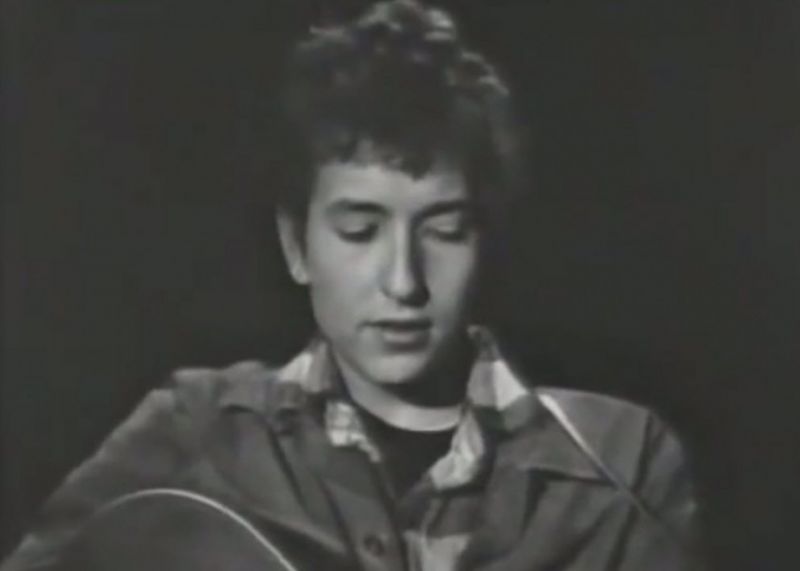
Westinghouse Studios New York City, New York 3 March 1963 Folk songs and more folk songs
Broadcast in the program “Folk songs and more folk songs” on Westinghouse TV stations in May 1963.
Blowin’ In The Wind How many roads must a man walk down Before you call him a man? Yes, ’n’ how many seas must a white dove sail Before she sleeps in the sand? Yes, ’n’ how many times must the cannonballs fly Before they’re forever banned? The answer, my friend, is blowin’ in the wind The answer is blowin’ in the wind Continue reading March 3: Bob Dylan – Westinghouse Studios 1963→
Señor, señor, do you know where we’re headin’?
Lincoln County Road or Armageddon?
Seems like I been down this way before
Is there any truth in that, señor?
Interesting version, but not complete…
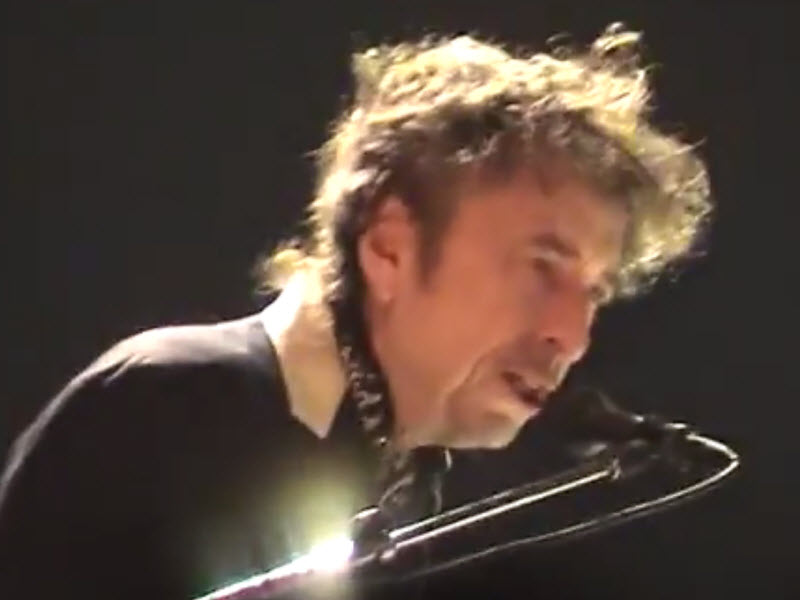
Heineken Music Hall
Amsterdam, The Netherlands
11 November 2003
Bob Dylan (vocal & piano)
Freddie Koella (guitar)
Larry Campbell (guitar, mandolin, pedal steel guitar & electric slide guitar)
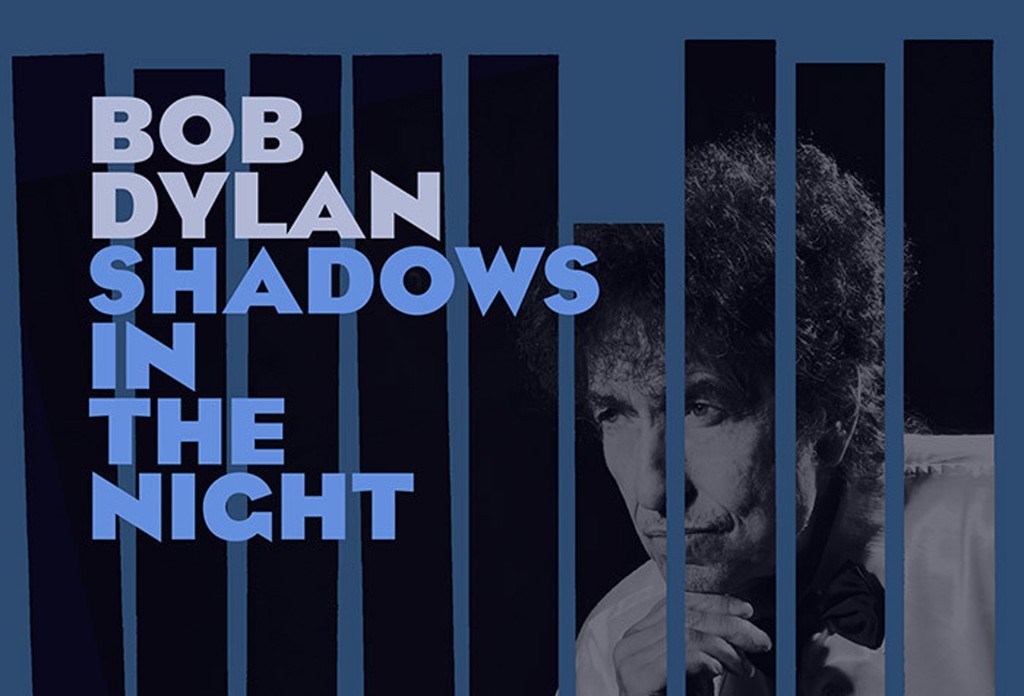
Q: Why did you make this record now?
A: Now is the right time. I’ve been thinking about it ever since I heard Willie [Nelson]’s Stardust record in the late 1970s. All through the years, I’ve heard these songs being recorded by other people and I’ve always wanted to do that. And I wondered if anybody else saw it the way I did.
~Bob Dylan (AARP interview – Feb 2015)
I love these songs, and I’m not going to bring any disrespect to them. To trash those songs would be sacrilegious. And we’ve all heard those songs being trashed, and we’re used to it. In some kind of ways you want to right the wrong.
~Bob Dylan (AARP interview – Feb 2015)
The great shock here, then, is Dylan’s singing. Dylan’s focus and his diction, after years of drowning in sandpaper, evoke his late-Sixties poise and clarity on John Wesley Harding and Nashville Skyline — also records of deceptive restraint and retrospect — with an eccentric rhythmic patience in the way he holds words and notes across the faint suggestions of tempo. It is not crooning. It is suspense: Dylan, at 73, keeping fate at arm’s length as he looks for new lessons, nuance and solace in well-told tales.
~David Fricke (rollingstone.com – Feb 2015)
..But while Shadows In The Night is nostalgic, it is not sentimental. As a celebration of classic songcraft, it is as sincere as any of Dylan’s many forays into traditional American roots idioms. But how does Sinatra measure up to Dylan’s other early heroes? “Right from the beginning he was there with the truth of things in his voice,” Dylan wrote in the days after Sinatra’s death. “His music had a profound influence on me, whether I knew it or not. He was one of the very few singers who sang without a mask.” Shadows In The Night, then, is Dylan’s way of saying thank you.
~Michael Bonner (uncut.co.uk – Jan 2015)
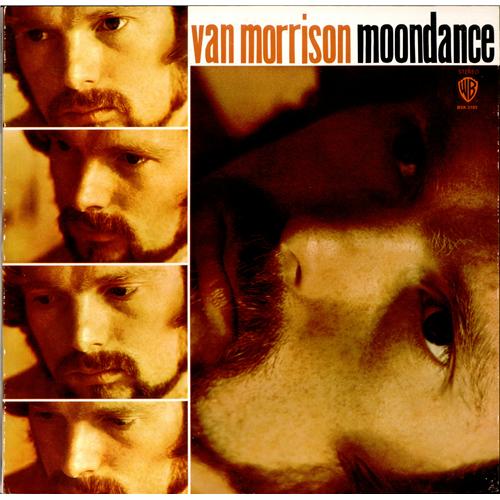
In Moondance, Morrison bursts forth in warm Technicolor. The Van Morrison that the public would come to know and recognize over the decades—Van the Man, the Belfast Cowboy, etc—essentially makes his first appearance on Moondance.
~Erik Hage
This is Van Morrison’s 6th Symphony; like Beethoven’s equivalent, it’s fixated on the power of nature, but rather than merely sitting in awe, it finds spirituality and redemption in the most basic of things. The pinnacle of Van The Man’s career, and maybe, of non-American soul in general.
~Nick Butler