All posts by Hallgeir

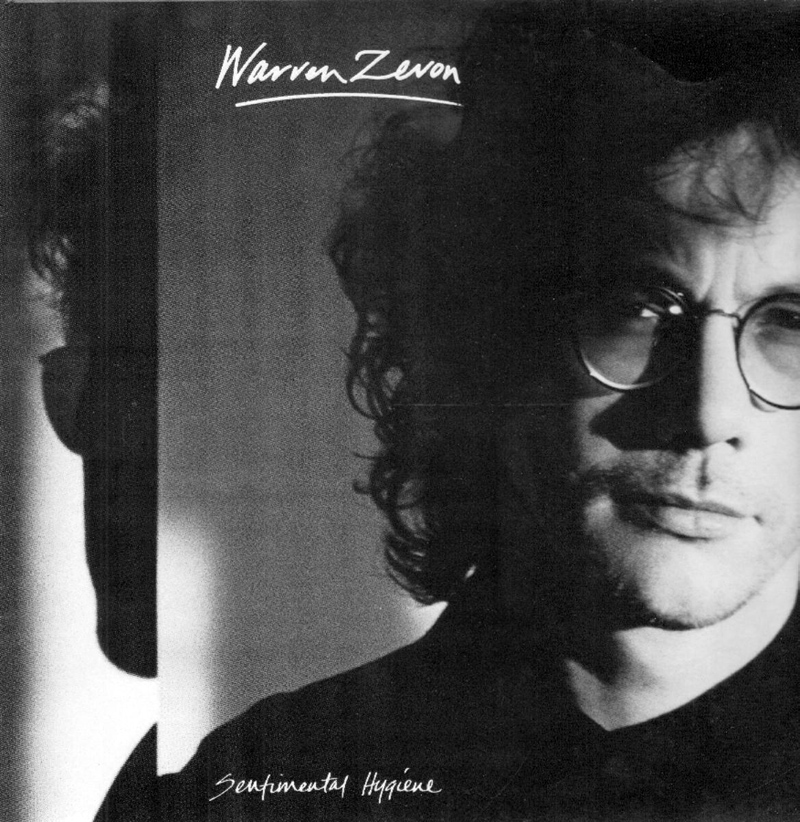
August 29: Warren Zevon released Sentimental Hygiene in 1987


warren_zevon-sentimental_hygiene(virgin)

“I read things I didn’t know I’d done,
It sounded like a lot of fun.”
– Warren Zevon

“I write each song individually and each one calls for individual musicians, You sit around and wonder who can we get to play a Neil Young solo, and then you realize there`s a good chance you can get Neil himself.”
– Warren Zevon

Warren Zevon fell off the wagon after the release of The Envoy, he waited five years before releasing an album, the pause seemed to have done him good, as Sentimental Hygiene (released 29. August 1987) was one of his strongest albums.

Sentimental Hygiene was my first Warren Zevon record, I have since gotten everything I could find by him and about him, official as well as “un-official” releases, vhs, dvds and books. Warren Zevon has been a favorite of mine since Sentimental Hygiene met my ears.

There are lots of guests on the album, Bob Dylan, David Lindley, Neil Young, Brian Setzer, Don Henley and George Clinton, but the main players here are Peter Buck, Mike Mills, and Bill Berry of R.E.M. (and Michael Stipe also guested on a song…I think). They provide Zevon with a very solid back-up band, he sounds fresh and invigorated through the whole record. Warren Zevon sounded more rock’n roll than in quite a while, and he was introduced to a new audience (me included).

As always he was funny as hell!

Not on Spotify, but here’s a fine collection of songs off the album from YouTube.

Sentimental Hygiene (official video):

Continue reading August 29: Warren Zevon released Sentimental Hygiene in 1987

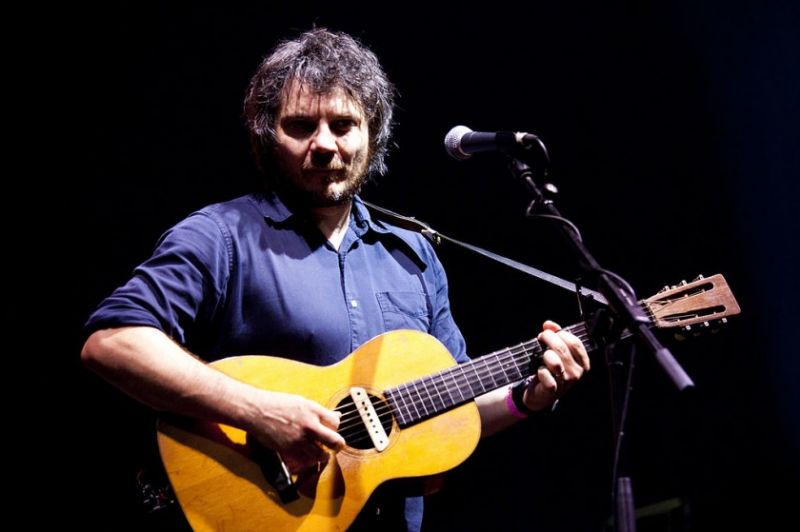
Today: Wilco frontman Jeff Tweedy is 46 Happy Birthday

jefftweedy

Jeffrey Scot “Jeff” Tweedy (born August 25, 1967) is an American songwriter, musician and leader of the band Wilco. Tweedy joined rockabilly band The Plebes with high school friend Jay Farrar in the early 1980s, but Tweedy’s musical interests caused one of Farrar’s brothers to quit. The Plebes changed their name to The Primitives in 1984, and subsequently to Uncle Tupelo. Uncle Tupelo garnered enough support to earn a record deal and to tour nationally. After releasing four albums, the band broke up in 1994 because of conflicts between Tweedy and Farrar.

In 1994, Tweedy formed Wilco with John Stirratt, Max Johnston, and Ken Coomer. Wilco has released eight albums and found commercial success with their albums Yankee Hotel FoxtrotA Ghost Is BornSky Blue Sky and Wilco (The Album). The band also released two collaboration albums with Billy Bragg and one with The Minus 5. Jeff Tweedy has been the recipient of two Grammy Awards, including Best Alternative Album for A Ghost Is Born. Tweedy has also participated in a number of side groups including Golden Smog and Loose Fur, published a book of poems, and released a DVD of solo performances. He was originally influenced by punk and country music, but has later reflected more experimental themes in his music.

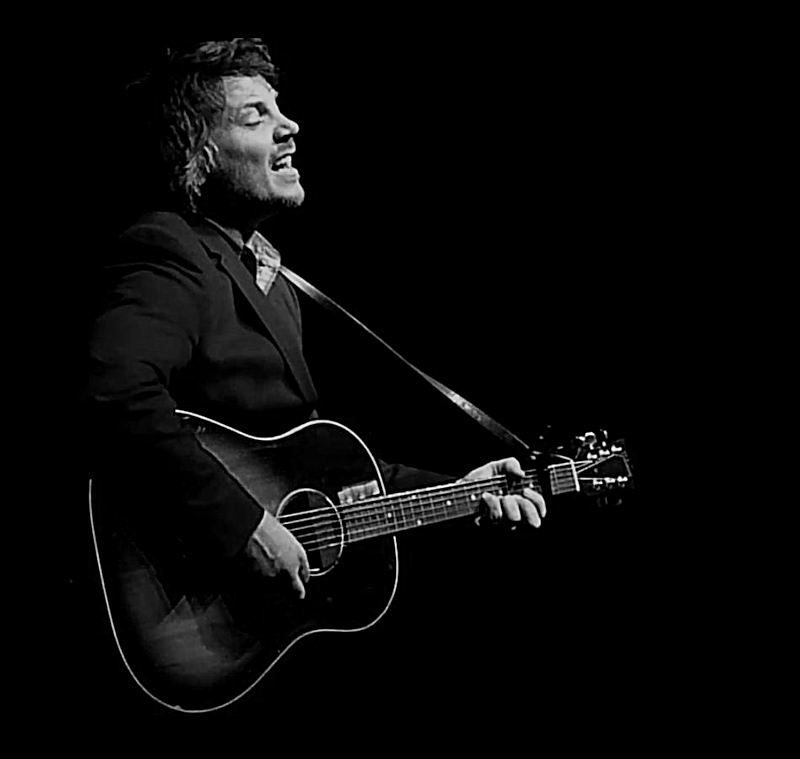
jefftweedy2

Wilco is an American alternative rock band based in Chicago, Illinois. The band was formed in 1994 by the remaining members of alternative country group Uncle Tupelo following singer Jay Farrar’s departure. Wilco’s lineup has changed frequently, with only singer Jeff Tweedy and bassist John Stirratt remaining from the original incarnation. Since early 2004, the other current members are guitarist Nels Cline, multi-instrumentalists Pat Sansone and Mikael Jorgensen, and drummer Glenn Kotche. Wilco has released eight studio albums, a live double album, and four collaborations: three with Billy Bragg, and one with The Minus 5.

Wilco’s music has been inspired by a variety of artists and styles, including Bill Fay and Television, and has in turn influenced music by a number of modern alternative rock acts. The band continued in the alternative country of Uncle Tupelo on its debut album A.M. (1995), but has since introduced more experimental aspects to their music, including elements of alternative rock and classic pop.

Impossible Germany – live:

Wilco – Dutch TV 2012 (42 min. set):
Set list:
1: I Might
2: Dawned On Me
3: Impossible Germany
4: Born Alone
5: Jesus etc
6: The Whole Love
7: I Am Trying To Break Your Heart
8: Art of Almost

Album of the day – Kicking Television, Live In Chicago (2005):

Other August 25:

Continue reading Today: Wilco frontman Jeff Tweedy is 46 Happy Birthday

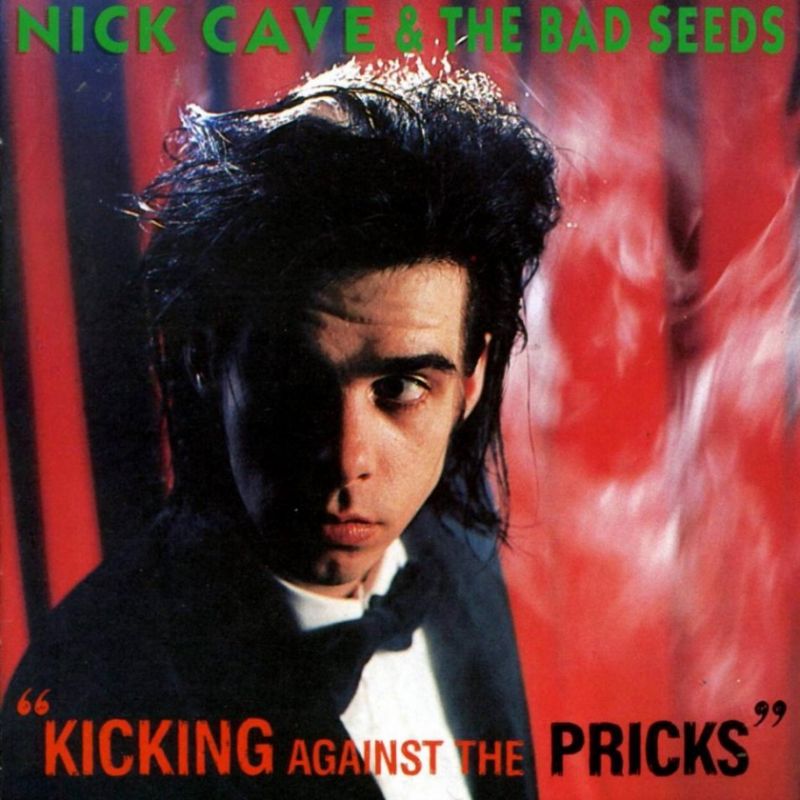
Today: Nick Cave and The Bad Seeds released Kicking Against The Pricks in 1986

kicking

“And he said, Who art thou, Lord? And the Lord said, I am Jesus whom thou persecutest: it is hard for thee to kick against the pricks” 

– Acts 9:5

Kicking Against the Pricks is the third album released by Nick Cave and the Bad Seeds. First released in 1986, the album is a collection of cover versions. Like many of our favorite artists (Dylan, Springsteen), Nick Cave dove into “the great songbook from the past” and gave us an album that really stood out in 1986. It wasn’t country, and it most certainly did not fit that new-wave look of Nick Cave and The Bad Seed. They play the songs in a straightforward way, not trying to modernize or make them more rock’n roll. This album was very important in my journey back to traditional folk music and blues standards.

It still stands up very well, and is one of my favorite Nick Cave and The Bad Seeds albums.

The Singer (made famous by Johnny Cash):

My favorite song on the album is Hey Joe (together with The Singer), it is right up there with Jimi Hendrix and Willy DeVilles’ interpretations.

Hey Joe (Mick Harvey,David Sanborn,Toots Thielemans,Charlie Haden and the NIghtmusic Band):

“…often holding everything back is the key, as the creepout build of “Hey Joe” demonstrates. Even more striking is how Cave’s own vocals rebut the charges that all he ever does is overdramatize everything he sings — consider the husky, purring delivery on Johnny Cash’s “The Singer.”
Ned Ragget (allmusic)


Kicking Against The Pricks on Spotify (missing Black Betty and Running Scared):

– Hallgeir

Sources: Allmusic, Wikipedia

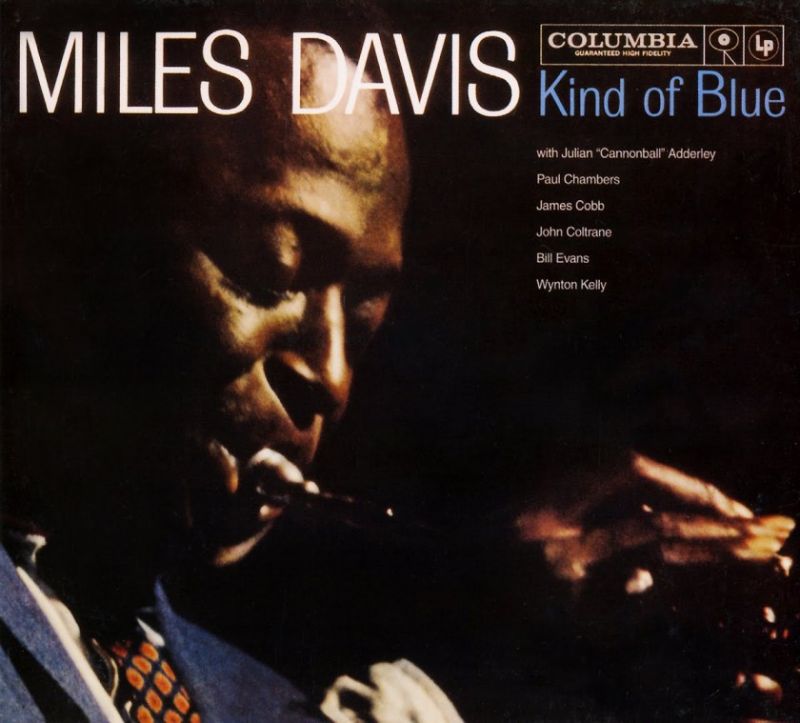
Today: Miles Davis released Kind of Blue in 1959 – 54 years ago

kind-of-blue

“It must have been made in heaven.”
– Jimmy Cobb

Kind of Blue is a studio album by American jazz musician Miles Davis, released August 17, 1959, on Columbia Records in the United States. Recording sessions for the album took place at Columbia’s 30th Street Studio in New York City on March 2 and April 22, 1959. The sessions featured Davis’s ensemble sextet, which consisted of pianist Bill Evans (Wynton Kelly on one track), drummer Jimmy Cobb, bassist Paul Chambers, and saxophonists John Coltrane and Julian “Cannonball” Adderley.

Though precise figures have been disputed, Kind of Blue has been described by many music writers not only as Davis’s best-selling album, but as the best-selling jazz record of all time. On October 7, 2008, it was certified quadruple platinum in sales by the Recording Industry Association of America (RIAA). It has been regarded by many critics as the greatest jazz album of all time and Davis’s masterpiece.
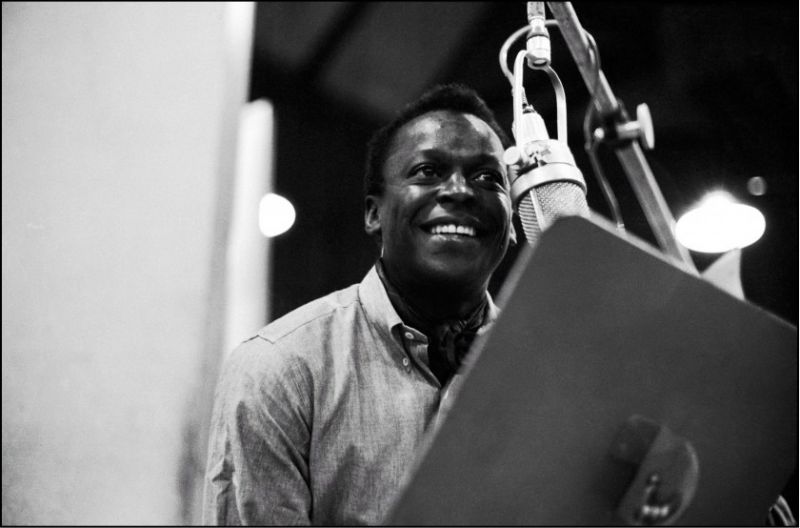
milesdavis2

The album’s influence on music, including jazz, rock, and classical music, has led music writers to acknowledge it as one of the most influential albums ever made. In 2002, it was one of fifty recordings chosen that year by the Library of Congress to be added to the National Recording Registry. In 2003, the album was ranked number 12 on Rolling Stone magazine’s list of the 500 greatest albums of all time.

A Quartet In The Studio

Kind of Blue was recorded in two sessions at Columbia Records’ 30th Street Studio in New York City. On March 2, the tracks “So What”, “Freddie Freeloader”, and “Blue in Green” were recorded for side one of the original LP, and on April 22 the tracks “All Blues”, and “Flamenco Sketches” were recorded, making up side two. Production was handled by Teo Macero, who had produced Davis’s previous two LPs, and Irving Townsend.
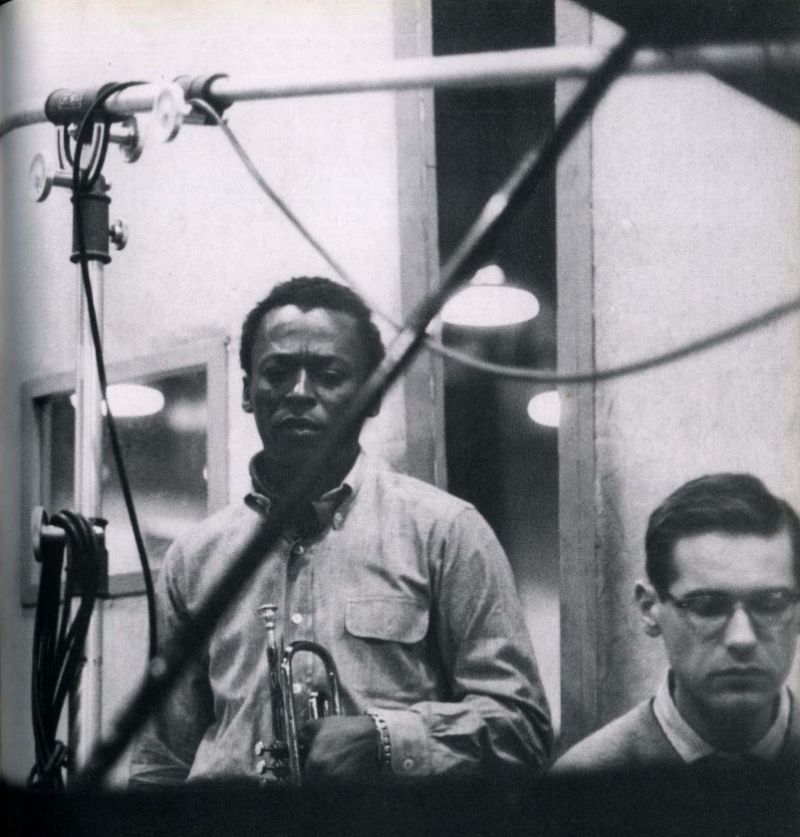
miles davis4

TV performance from 1959, incredible archival footage where Miles Davis and his Quintette play So What from Kind of Blue:

Kind of Blue isn’t merely an artistic highlight for Miles Davis, it’s an album that towers above its peers, a record generally considered as the definitive jazz album, a universally acknowledged standard of excellence. Why does Kind of Blue posses such a mystique? Perhaps because this music never flaunts its genius… It’s the pinnacle of modal jazz — tonality and solos build from the overall key, not chord changes, giving the music a subtly shifting quality… It may be a stretch to say that if you don’t like Kind of Blue, you don’t like jazz — but it’s hard to imagine it as anything other than a cornerstone of any jazz collection.
—Stephen T. Erlewine (allmusic)

Track listing:
All songs written and composed by Miles Davis except where noted 

1. “So What”
2. “Freddie Freeloader”
3. “Blue in Green” (Miles Davis and Bill Evans)
4. “All Blues”
5. “Flamenco Sketches” (Miles Davis and Bill Evans)

Musicians


Miles Davis – Kind of Blue 50th Anniversary:


1959 – The Year that changed Jazz.
A very good documentary from BBC.   Four absolutely canonical LPs were recorded that year: Kind of Blue by Miles DavisTime Out by Dave Brubeck; Mingus Ah Um by Charles Mingus; and The Shape of Jazz to Come by Ornette Coleman. Good interviews and great music:

Album of the day:

Other August-17:

Continue reading Today: Miles Davis released Kind of Blue in 1959 – 54 years ago

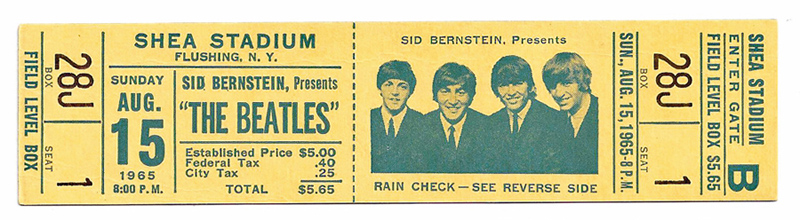
Today: The Beatles played at Shea Stadium in 1965 – 48 years ago

1965SheaStadiumTicket_single

“Now, ladies and gentlemen, honoured by their country, decorated by their Queen, loved here in America, here are The Beatles!”
– Ed Sullivan

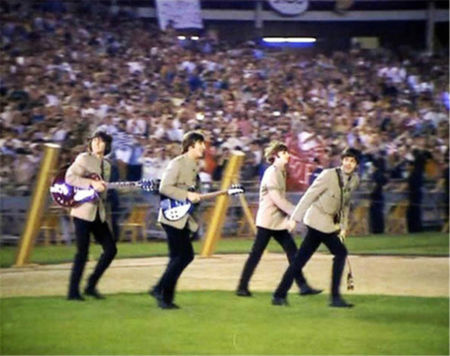
The Shea Stadium concert on 15 August was record breaking and one of the most famous concert events of its era.  Over 55,000 people saw the concert.  “Beatlemania” was at one of its highest marks at the Shea show. Film footage taken at the concert shows many teenagers and women crying, screaming, and even fainting. The crowd noise was such that security guards can be seen covering their ears as The Beatles enter the field.

Shea2


The Beatles backstage preparing to take to the stage:


Set List:

All songs written by John Lennon and Paul McCartney, except where noted.

  1. “Twist and Shout” (Phil Medley, Bert Russell)
  2. “She’s a Woman” (not included in film)
  3. “I Feel Fine”
  4. “Dizzy Miss Lizzy” (Larry Williams)
  5. “Ticket to Ride”
  6. “Everybody’s Trying to Be My Baby” (Carl Perkins) (not included in film)
  7. “Can’t Buy Me Love”
  8. “Baby’s in Black”
  9. “Act Naturally” (Voni Morrison, Johnny Russell)
  10. “A Hard Day’s Night”
  11. “Help!”
  12. “I’m Down”

The Beatles at Shea Stadium is also a documentary of The Beatles’ concert. The documentary was filmed, using fourteen cameras to capture the euphoria and mass hysteria that was Beatlemania in America in 1965. We have included the half hour Beatles segment from the one hour documentary:


The Beatles returned to Shea Stadium during their final tour, on 23 August 1966.

– Hallgeir

Sources: Wikipedia, BeatlesBible.com, thebeatles.com