Category Archives: Country

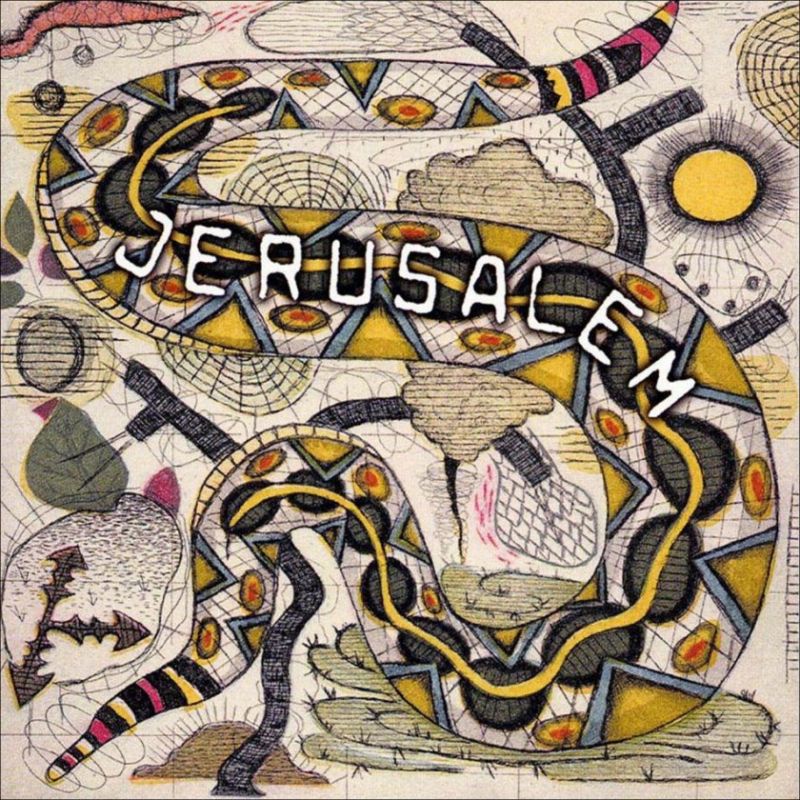
September 24: Steve Earle released Jerusalem in 2002

Steve_Earle-Jerusalem-Frontal

“I woke up this mornin’ and none of the news was good 
And death machines were rumblin’ ‘cross the ground where Jesus stood 
And the man on my TV told me that it had always been that way 
And there was nothin’ anyone could do or say

And I almost listened to him 
Yeah, I almost lost my mind 
Then I regained my senses again 
And looked into my heart to find

That I believe that one fine day all the children of Abraham 
Will lay down their swords forever in Jerusalem”
– Steve Earle (Jerusalem)

Steve Earle released this “protest album” post 9/11, but contrary to widespread belief it is not a concept album about the tragic events on that date. Yes, there are some songs relating to it, but only three out of eleven (maybe four). There were som controversy when it came out, especially the song John Walker’s Blues were widely discussed and often slated in right wing media. It is not a song that takes sides, it is a song that tells us that an ordinary American kid fell in with the wrong crowd (in this case, the Taliban). Earle make us look at this boy, and he does not say that he is innocent, but he says that he should be treated like a human being despite his faults and despite his guilt. It is a fantastic song.

“…Earle has crafted a vision of America thrown into chaos, where the falling of the World Trade Center towers is just another symbol of a larger malaise which surrounds us. Before its release,Jerusalem already generated no small controversy over the song “John Walker’s Blues,” which tells the tale of “American Taliban” John Walker Lindh as seen through his own eyes. While “John Walker’s Blues” is no more an endorsement of Lindh’s actions than Bruce Springsteen’s “Nebraska” was a tribute to mass-murderer Charles Starkweather, even though it’s one of the album’s strongest songs, if anything, it doesn’t go quite far enough.”
– Mark Demming (allmusic.com)
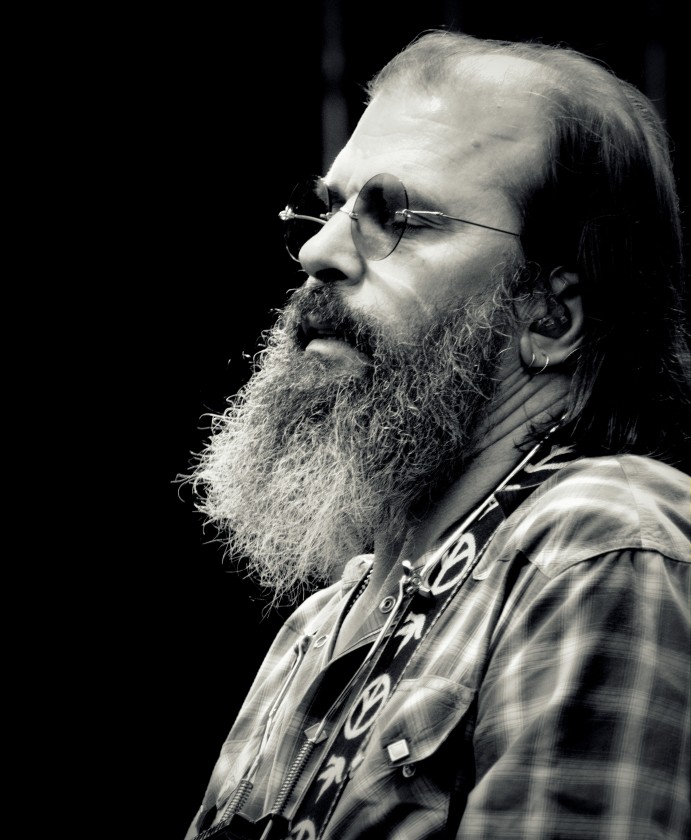
steve earle bergenfest 2013
photo: alldylan

Steve Earle made a “state of the nation” album, and he is confused and he doesn’t come up with the answers, but he asks the important questions!

He sings about fears in Ashes to Ashes and Conspiracy Theory,  the ever-growing differences between the rich and the poor in Amerika V. 6.0 (The Best We Can Do), desperation of a Mexican man who lost his job in one of the many oppressive, foreign-owned assembly plants in What’s A Simple Man to Do and  the injustice of the American judicial system in The Truth. Earle seems not so angry, but rather sad about the state of things.

He did not make a protest album all through, he has (as always) room for some sweet country ballads on the record. I especially like his duet with Emmylou Harris, I Remember You.

Steve Earle ends the album with a message of  hope, a hope that the answers can be found in peace and forgiveness.

Jerusalem is the bold work of a thinking man and the album is a thought-provoking work of art.

Live @ Palladium, Malmö, Sweden 2009/10/28. Steve Earle do John Walker’s Blues from Jerusalem for the first time on the European leg of his 2009 tour:

Steve Earle Mix 2013
Photo: alldylan

Steve Earle performing Jerusalem(the song) live at Factory Theatre in Sydney on 8 April 2012 (with an incredible intro):

Steve Earle – Jerusalem on Spotify:

– Hallgeir (photos of Steve Earle taken at Bergenfest 2013, Norway)
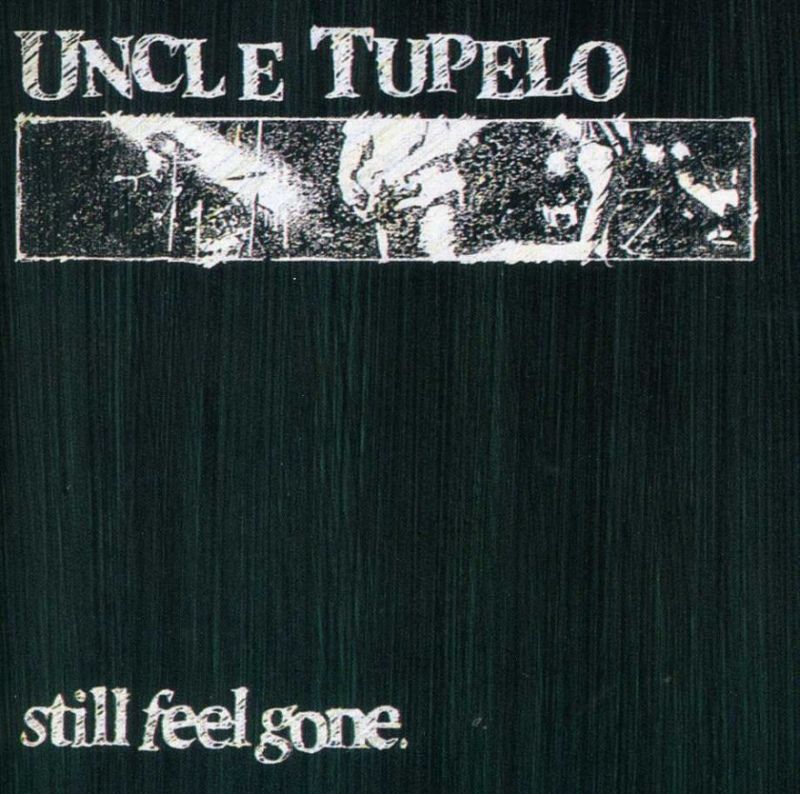
Today: Uncle Tupelo released Still Feel Gone in 1991

ut

“When the Bible is a bottle
and a hardwood floor is home
When morning comes twice a day
or not at all…”
– Still Be Around

Still Feel Gone is the second album by Uncle Tupelo. It was released 17 September 1991 on Rockville Records and re-released in 2003 by Sony Legacy. It was my first Uncle Tupelo album (I bought No Depression the next day).

Uncle Tupelo was an alt. country music group from Belleville, Illinois, they were active between 1987 and 1994. Jay Farrar, Jeff Tweedy, and Mike Heidorn formed the band after the lead singer of their earlier band, The Primitives, left to attend college. The trio recorded three albums for Rockville Records.
Uncle Tupelo broke up before it achieved commercial success, but the band is renowned for its impact on the alternative country music scene. The group’s first album, No Depression, became a byword for the genre and was widely influential. Uncle Tupelo’s sound was unlike popular country music of the time, drawing inspiration from styles as diverse as the hardcore punk of The Minutemen and the country instrumentation and harmony of the Carter Family and Hank Williams.

Uncle Tupelo is a very important band in the development of Alt.country/Americana.

“With the release of their 1990 debut LP, No Depression, the Belleville, IL, trio Uncle Tupelo launched more than simply their own career—by fusing the simplicity and honesty of country music with the bracing fury of punk, they kick-started a revolution which reverberated throughout the American underground.”
– Jason Ankeny (allmusic)

Uncle Tupelo – Gun (Bloomington,IN, 1992):

I love the contrasts in Uncle Tupelo, the country vs. punk/rock, Tweedy’s voice vs. Farrar’s voice, the heart aching ballads vs. the working class lament. The slow howls in the songs vs. the attacking guitars. The balance of innocence and rawness gives Still Feel Gone an edge and an emotional dimension seldom found.
To me the album sounds like a stew consisting of, The Clash, Neil Young, Rolling Stones, Husker Du and all the country music influences they surely got from their parents’ records and their radio listening habits. It’s a lovely stew and a contender for best album of 1991.

“The band eschews quaint rootsiness for the time-bomb attack of Jay Ferrar’s aggressive stop-start guitars and some deceptively gentle acoustic ballads that convey an underlying sense of dissatisfaction. The band’s melodic skills don’t always equal their unpretentiousness, but Still Feel Gone remains a vivid snapshot of life in a town that`s colored gray.”
– Chicago Tribune (Feb 1992)

Uncle Tupelo – Punch Drunk (Toad’s Place, New Haven CT, March 2, 1992):

“The characters that populate Still Feel Gone are far from one-dimensional caricatures of rural life. Songwriters Jay Farrar and Jeff Tweedy write with an insightful eye and ragged beauty that bring their images alive without coming off as rote shrieks of youthful disenchantment. “
– Rolling Stone Magazine (Mar 1992)

Uncle Tupelo – Still Feel Gone on Spotify:

– Hallgeir

Today: The late Hank Williams was born in 1923, 90 years ago

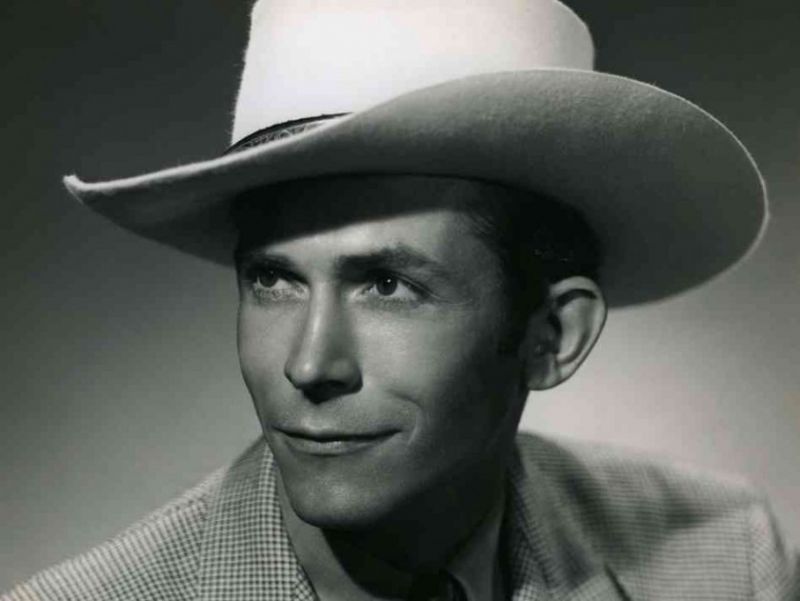
hank williams

It can be explained in just one word: sincerity. When a hillbilly sings a crazy song, he feels crazy. When he sings, ‘I Laid My Mother Away,’ he sees her a-laying right there in the coffin. He sings more sincere than most entertainers because the hillbilly was raised rougher than most entertainers. You got to know a lot about hard work. You got to have smelt a lot of mule manure before you can sing like a hillbilly. The people that have been raised something like the way the hillbilly has…. knows what he sings about and appreciates it
~Hank Williams (on the success of Country Music)

Nobody had a talent for making suffering enjoyable like Hank Williams
~Kris Kristofferson

Hank Williams was the first influence I would think.
~Bob Dylan (to Billy James, Oct 1961)

I started writing songs after I heard Hank Williams.
~Bob Dylan (The Les Crane Show, 17 Feb 1965)

Cold Cold Heart:

From Wikipedia:

Birth name Hiram King Williams
Also known as The Lovesick Blues Boy
Lovesick
Luke the Drifter
Hank Williams, Sr.
The Hillbilly Shakespeare
Born September 17, 1923
Mount Olive, Butler County, Alabama
Died January 1, 1953 (aged 29)
Oak Hill, West Virginia
Genres Country, Western, gospel,blues, honky-tonk, folk
Occupations Songwriter
Musician
Instruments Vocals, guitar
Years active 1937–1952
Labels Sterling, MGM
Associated acts Drifting Cowboys
Audrey Williams
Website www.hankwilliams.com

Hank Williams (September 17, 1923 – January 1, 1953), born Hiram King Williams, was an American singer-songwriter and musician regarded as one of the most important country music artists of all time. Williams recorded 35 singles (five released posthumously) that would place in the Top 10 of the Billboard Country & Western Best Sellers chart, including 11 that ranked number one.

From allmusic – Stephen Thomas Erlewine:

Hank Williams is the father of contemporary country music. He was a superstar by the age of 25; he was dead at the age of 29. In those four short years, he established the rules for all the country performers who followed him and, in the process, much of popular music. Hank wrote a body of songs that became popular classics, and his direct, emotional lyrics and vocals became the standard for most popular performers. He lived a life as troubled and reckless as that depicted in his songs. ….  read more @ allmusic.com

Legacy:

  • Alabama governor Gordon Persons officially proclaimed September 21 “Hank Williams Day”
  • In 1961, Williams was inducted into the Country Music Hall of Fame
  • he was inducted in the Alabama Music Hall of Fame in 1985
  • In 1987, he was inducted in the Rock and Roll Hall of Fame under the category Early Influence
  • He was ranked second in CMT’s 40 Greatest Men of Country Music in 2003, behind only Johnny Cash
  • His son, Hank Jr., was ranked on the same list
  • In 2004 Rolling Stone ranked him number 74 on its list of the 100 Greatest Artists of All Time
  • In 2011 Williams’s 1949 MGM number one hit, “Lovesick Blues,” was inducted into the Recording Academy Grammy Hall Of Fame.
  • In 1999, Williams was inducted into the Native American Music Hall of Fame. 
  • On April 12, 2010, the Pulitzer Prize Board awarded Williams a posthumous special citation that paid tribute to his “craftsmanship as a songwriter who expressed universal feelings with poignant simplicity and played a pivotal role in transforming country music into a major musical and cultural force in American life.” 
  • Keeping his legacy, Williams’s son, Hank Williams, Jr., daughter Jett Williams, grandson Hank Williams III, and granddaughters Hilary Williams and Holly Williams are also country musicians.

Lovesick Blues:

Hey Good Lookin’:

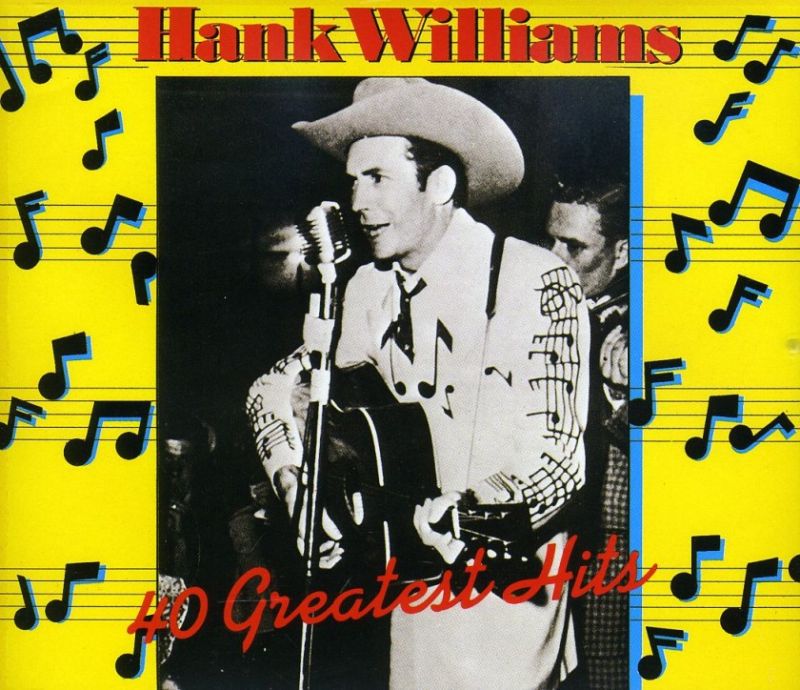
Album of the day – 40 Greatest Hits (1979):

hank williams 40 greatest hits

Check out:

Other September 17:

Continue reading Today: The late Hank Williams was born in 1923, 90 years ago

Today: The late Bill Monroe was born in 1911, 102 years ago

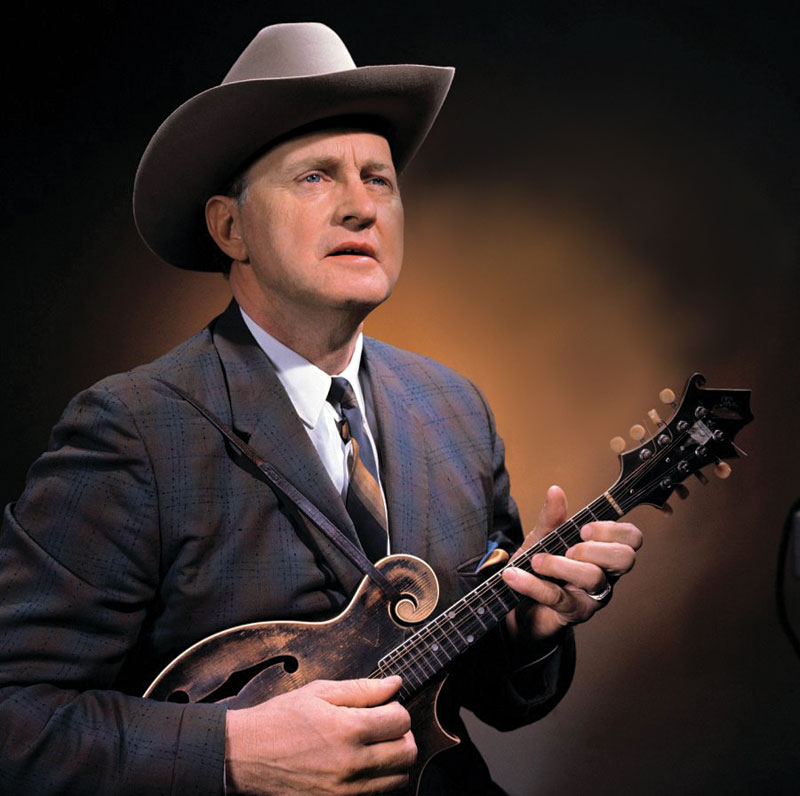
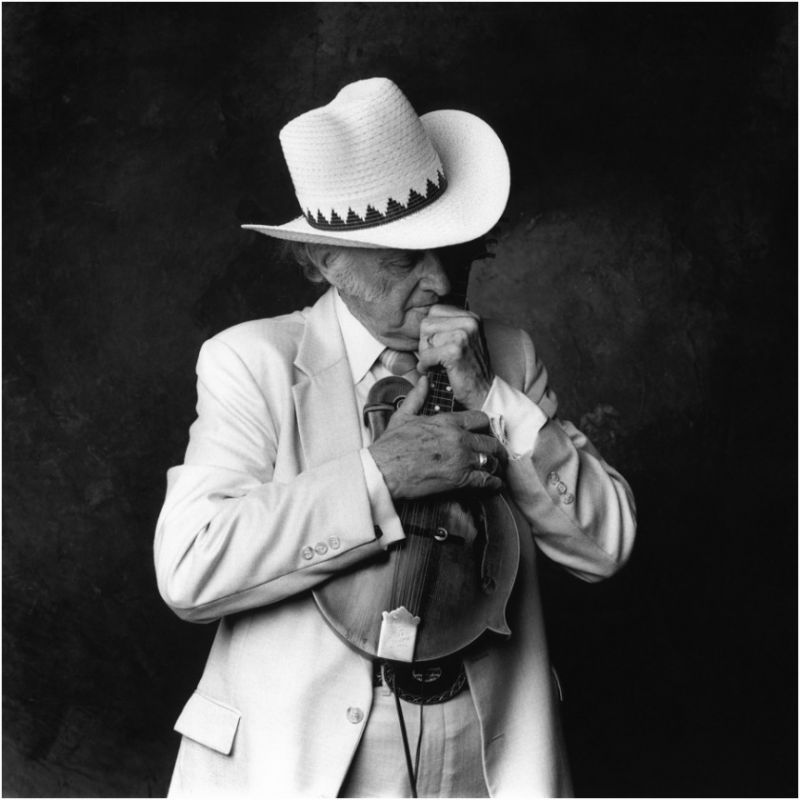
bill monroe

I’m a farmer with a mandolin and a high tenor voice.
~Bill Monroe

“To me there’s no difference between Muddy Waters and Bill Monroe.”
~Bob Dylan (to John Pareles, Sept 1997)

“Uncle Pen” from 1956 at the Ryman Auditorium:

From Wikipedia:

Birth name William Smith Monroe
Also known as Bill Monroe
Born September 13, 1911
Origin Rosine, Kentucky, USA
Died September 9, 1996 (aged 84)
Genres Bluegrass, Bluegrass gospel
Occupations Bluegrass artist
Instruments Mandolin
Years active 1930s–1996

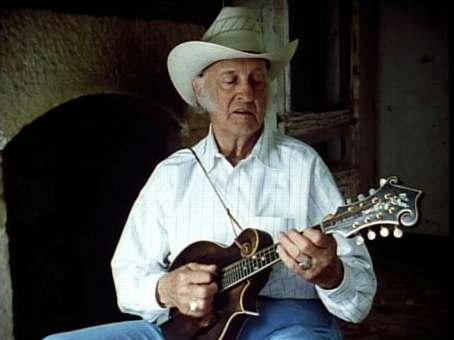
William Smith Monroe (September 13, 1911 – September 9, 1996) was an American musician who created the style of music known as bluegrass, which takes its name from his band, the “Blue Grass Boys,” named for Monroe’s home state of Kentucky. Monroe’s performing career spanned 60 years as a singer, instrumentalist, composer and bandleader. He is often referred to as The Father of Bluegrass.

bill monroe

From allmusic.com – Stephen Thomas Erlewine:

Bill Monroe is the father of bluegrass. He invented the style, invented the name, and for the great majority of the 20th century, embodied the art form. Beginning with his Blue Grass Boys in the ’40s, Monroe defined a hard-edged style of country that emphasized instrumental virtuosity, close vocal harmonies, and a fast, driving tempo. The musical genre took its name from the Blue Grass Boys, and Monroe’s music forever has defined the sound of classical bluegrass — a five-piece acoustic string band, playing precisely and rapidly, switching solos and singing in a plaintive, high lonesome voice. Not only did he invent the very sound of the music, Monroe was the mentor for several generations of musicians. Over the years, Monroe’s band hosted all of the major bluegrass artists of the ’50s and ’60s, including Flatt & Scruggs, Reno & Smiley, Vassar Clements, Carter Stanley, and Mac Wiseman. Though the lineup of the Blue Grass Boys changed over the years, Monroe always remained devoted to bluegrass in its purest form.
Read more @ allmusic 

Awards & Legacy:

  • made an honorary Kentucky colonel in 1966
  • inducted into the Country Music Hall of Fame in 1970
  • inducted into the Nashville Songwriters Hall of Fame in 1971
  • inducted into the Rock and Roll Hall of Fame (as an “early influence”) in 1997
    (Jimmie Rodgers, Bob Wills, Hank Williams Sr., and Johnny Cash are the only other performers honored in all three)
  • As the “father of bluegrass,” he was also an inaugural inductee into the International Bluegrass Music Hall of Honor in 1991.
  • In 1993, he received the Grammy Lifetime Achievement Award
  • he was awarded the National Medal of Arts in 1995
  • His well-known song “Blue Moon of Kentucky” has been covered not only by bluegrass but also rock and country artists, most notably Elvis Presley, Paul McCartney, and Patsy Cline.
  • In 2003, CMT had Bill Monroe ranked No. 16 on CMT 40 Greatest Men of Country Music.

Artists that claimed to be influenced by or to be playing the bluegrass genre were often bullied by Bill Monroe. He always considered himself the father and caretaker of bluegrass. He would often say of new bands that did not perform to his standards, “That ain’t no part of nothin’.” Even those who question the scope of bluegrass refer to Monroe as a “musical giant” and recognize that “there would be no bluegrass without Bill Monroe.”

“Blue Moon of Kentucky” – live:

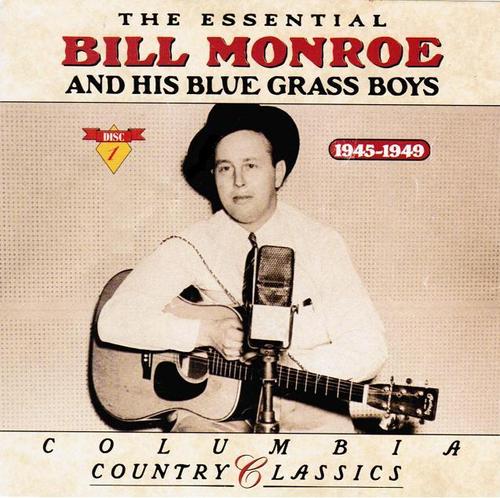
Album of the day: The Essential Bill Monroe and His Blue Grass Boys (1945-1949) (1992):

Essential bill monroe

Other September 13:

Continue reading Today: The late Bill Monroe was born in 1911, 102 years ago

The Roots of Wagon Wheel aka Rock Me Mama

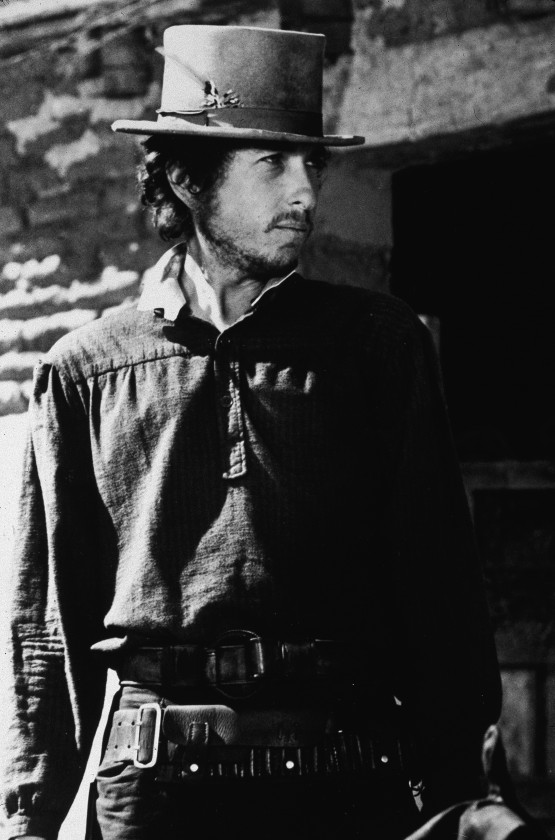
Bob Dylan In 'Pat Garrett & Billy The Kid'

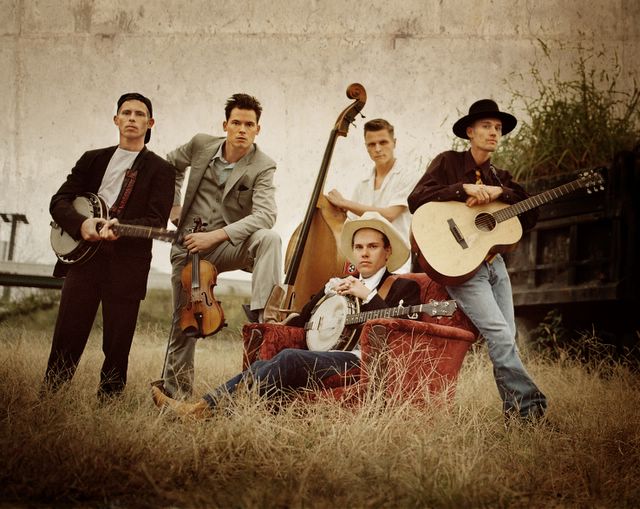
Rock Me Mama/Wagon Wheel is a song originally sketched by Bob Dylan and later completed by Ketch Secor of Old Crow Medicine Show. Old Crow Medicine Show’s version was certified platinum by the Recording Industry Association of America in April 2013.

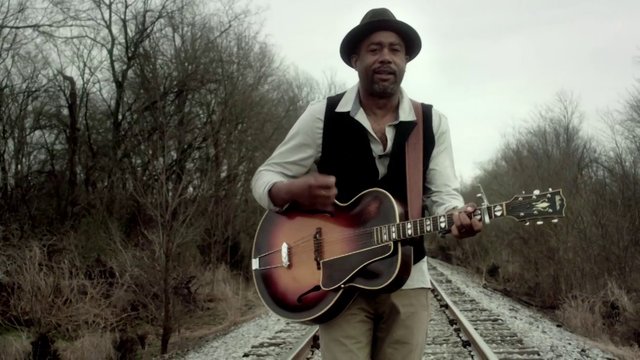
It is a big hit for Darius Rucker this year and nominated for a CMT award.

dr

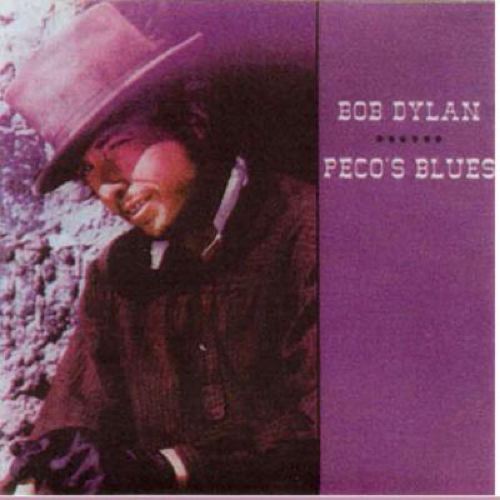
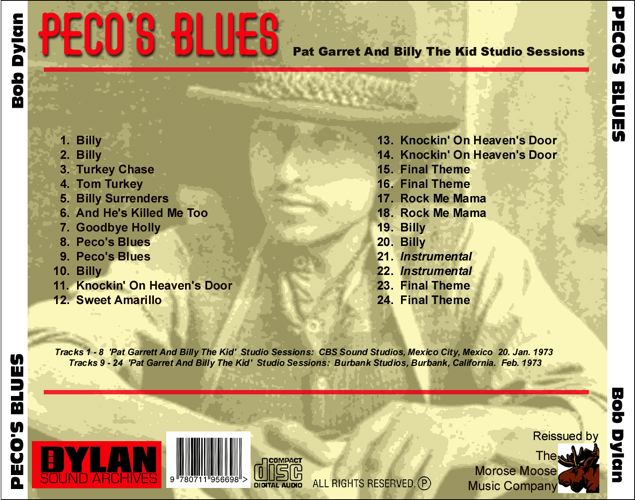
The chorus and melody for the song comes from a demo recorded by Bob Dylan during the Pat Garrett and Billy the Kid sessions.It is part of the famous bootleg Peco’s Blues, the Pat Garrett and Billy The Kid Sessions.

Peco's Blues

He started work on the soundtrack for Pat Garret on January 20th, 1973 in Mexico City. The next month he moved over to Burbank, California and was joined by Roger McGuinn, drummer Jim Keltner and bassist Terry Paul. The sessions gave us Dylan’s big hit Knockin’ on Heaven’s Door, after finishing that classic they ran through 2 versions of Rock Me Mama.

It was never finished, and they probably forgot all about Rock Me Mama . The sessions got out as bootlegs and that’s how Keith Secor got to hear it.

Peco's Blues (BACK)

Dylan had left the song as an unfinished sketch, Ketch Secor of Old Crow Medicine Show wrote verses for the song around Dylan’s original chorus. Secor’s additional lyrics transformed “Rock Me Mama” into “Wagon Wheel”. Secor has stated the song is partially autobiographical.

As Chris ‘Critter’ Fuqua of Old Crow told theislandpacket.com in May this year:
“ I’d gotten a Bob Dylan bootleg in like ninth grade and I let Ketch listen to it, and he wrote the verses because Bob kind of mumbles them and that was it. We’ve been playing that song since we were like 17, and it’s funny because we’ve never met Dylan, but the song is technically co-written by Bob Dylan. What’s great about “Wagon Wheel” is that it has grown organically. The popularity of it was all based on word of mouth. There was no radio airplay for it. We made a music video for it, but it wasn’t “November Rain” or anything. No one was like, “Oh my God, what’s this video about?” And 16 years later, it went gold, then Darius Rucker cut it.”

ocms

Keith Secor:
“It’d be my pleasure to dispel the myth and rumor about the song Wagon Wheel, or “Rock Me Mama” as Bob Dylan himself called the song when he recorded it down in Mexico in 1972 for the soundtrack of Pat Garrett and Billy the Kid. This song was not released, and it was not finished either, this is a demo of a practice session of him, Rob Stoner, and a couple of gals doing the chorus over and over again while the bass player learns the bass line. That’s what I heard on a German bootleg about nine years ago in high school. And I wrote the lyrics to the song because I loved the chorus so much and I sung it in my head for maybe a year straight, and then just penned what I penned, which is something of an autobiographical story about just wanting to get outta town, gettin outta school, and just wanting to go play music. It’s sort of autobiographical like that. But yeah, it’s sort of a Bob Dylan co-write with about 25 years inbetween.”

He works in the folk tradition that Dylan is definitely a part of, getting parts of melodies and lyrics and adding your own verses. He got the year wrong, it was in 1973.The version that he heard was probably the second version of the song, as he describes the chorus.
Continue reading The Roots of Wagon Wheel aka Rock Me Mama