Category Archives: Music Calendar

October 2: Gillian Welch is 47

gillian welch

“Each person comes to have this musical experience, this moment with us, where they get to sink into our world for a little while. It’s this very unhurried world. It’s fairly quiet, it’s contemplative, but it can be quite panoramic. I think people think interesting thoughts at our shows, and they go rather deeply into some personal experience of their own. I’m really proud that our music seems to connect, because it’s not for everybody. But for the people that our music works for, it really gets down pretty deep in there.”
~Gillian Welch on her live shows (via Acoustic Guitar)

Gillian Welch – The way that it goes @ Cirkus, Stockholm, Sweden, 2011-11-02:

From Wikipedia:

Born October 2, 1967 (age 47)
Los Angeles, California, U.S.
Origin Nashville, Tennessee
Genres Bluegrass, Americana,Country
Occupations Singer-songwriter
Instruments singing, acoustic guitar, banjo,drums
Associated acts Dave Rawlings Machine
Website gillianwelch.com

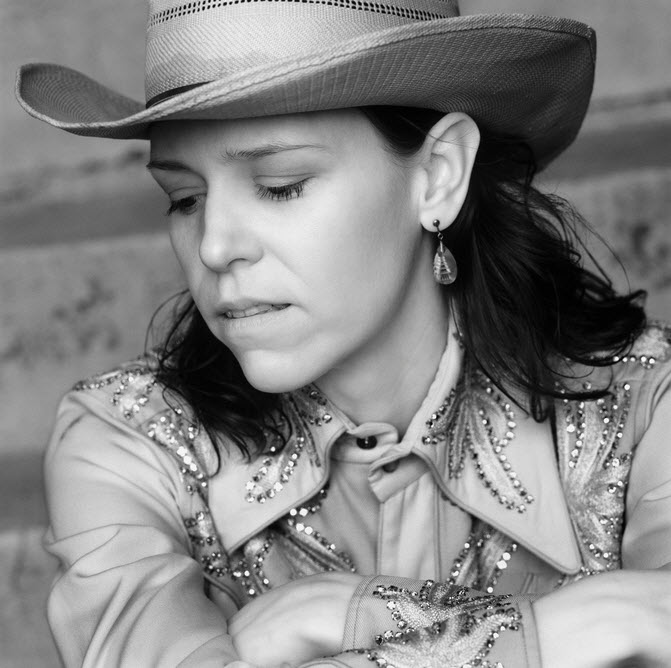
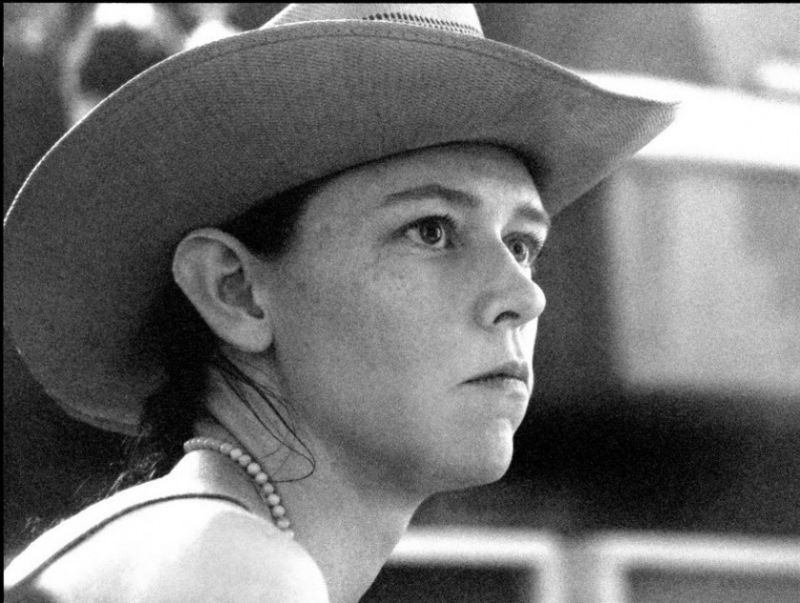
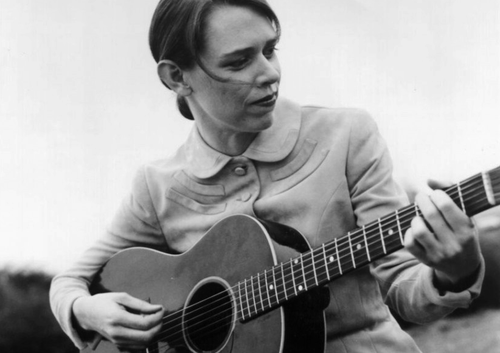
Gillian Welch (born October 2, 1967) is an American singer-songwriter. She performs with her musical partner, guitarist David Rawlings. Their sparse and dark musical style, which combines elements of Appalachian music, Bluegrass, and Americana, is described by The New Yorker as “at once innovative and obliquely reminiscent of past rural forms”.
gillian welch

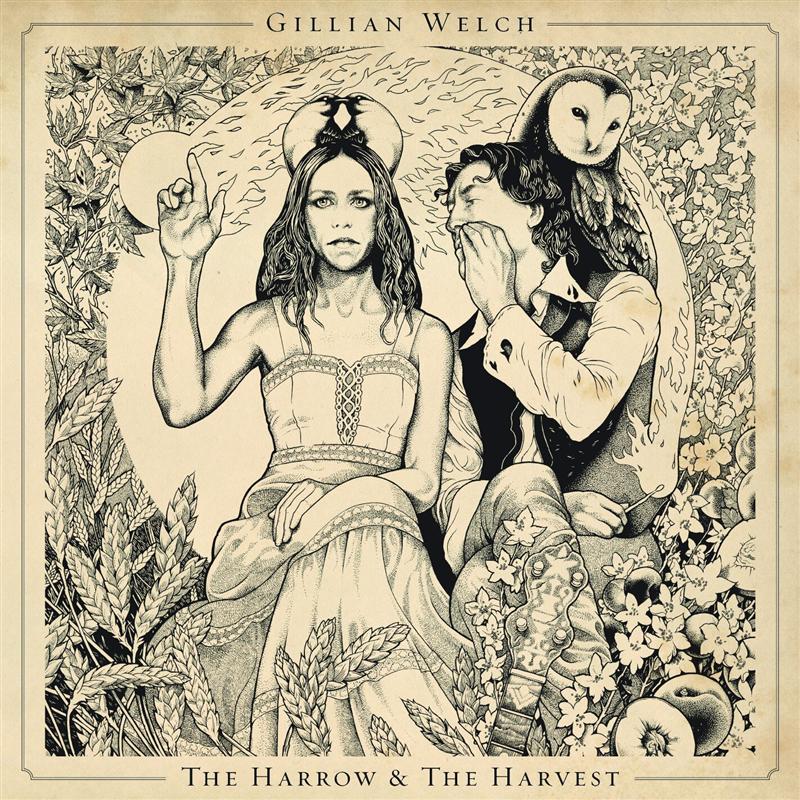
Welch and Rawlings have released five critically acclaimed albums. Their 1996 debut, Revival, and the 2001 release Time (The Revelator), received nominations for the Grammy Award for Best Contemporary Folk Album. Their 2003 album, Soul Journey, introduced electric guitar, drums and a more upbeat sound to their body of work. After a gap of eight years, they released their fifth studio album, The Harrow & The Harvest, in 2011.
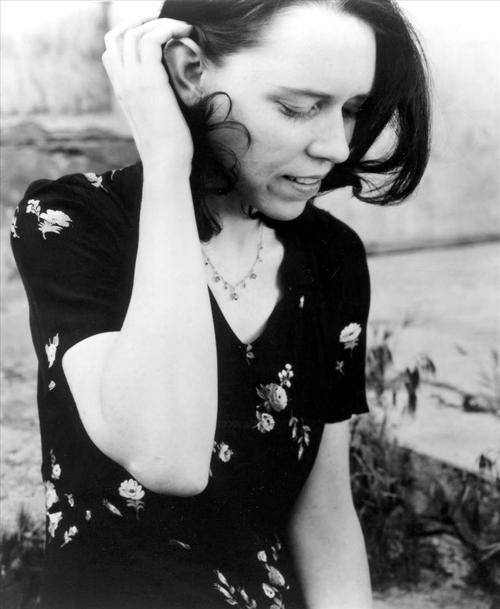
Welch was an associate producer and performed on two songs of the O Brother, Where Art Thou? soundtrack, a platinum album that won the Grammy Award for Album of the Year in 2002. Welch has collaborated and recorded with distinguished musicians such as Alison Krauss, Ryan Adams, Jay Farrar, Emmylou Harris, The Decemberists, and Ani DiFranco.

“Stingy critics give Ms. Welch a hard time because she’s a California city girl, not an Appalachian coal miner’s daughter. But as Lucinda or Emmylou might attest, love of the music is not a birthright, but an earned right. Listen to Ms. Welch yodel, in a tune about that no-good “gal” Morphine, and you know she’s as mountain as they come.
~Taylor Holliday (The Wall Street Journal)
Musical Style:

Welch and Rawlings incorporate elements of early twentieth century music such as old time, classic country, gospel and traditional bluegrass with modern elements of rhythm and blues, rock ‘n’ roll, jazz, and punk rock. The New Yorker‘s Alec Wilkinson maintained their musical style is “not easily classified—it is at once innovative and obliquely reminiscent of past rural forms”.

Concert @ BBC4 St. Luke’s Full Concert August 4, 2004 London:

Setlist:

00:30 – I Want To Sing That Rock And Roll
03:47 – Make Me Down A Pallet On Your Floor
07:11 – Elvis Presley Blues
12:17 – Look At Miss Ohio
16:24 – Red Clay Halo
20:10 – My First Lover
23:58 – One Little Song
27:23 – Revelator
35:12 – By The Mark
38:51 – The Way It Will Be
45:04 – Caleb Meyer
48:40 – I’ll Fly Away
52:39 – The Weight (with Old Crow Medicine Show)


Quotes about Gillian Welch:

  • Geoffrey Himes of The Washington Post described Welch as “one of the most interesting singer-songwriters of her generation
  • In 2003, Tom Kielty of The Boston Globe observed that she was “quietly establishing one of the most impressive catalogs in contemporary roots music
  • in a 2007 piece in The Guardian by John Harris called Welch “one of the decade’s greatest talents
  • Critic Robert Hilburn of the Los Angeles Times wrote, “At every turn, she demonstrates a spark and commitment that should endear her to anyone from country and folk to pop and rock fans who appreciate imagination and heart.

Tennessee:

Elvis Presley Blues:

Album of the day: The Harrow & The Harvest (2011):
gillian welch harrow harvest


Other October 2:

Continue reading October 2: Gillian Welch is 47

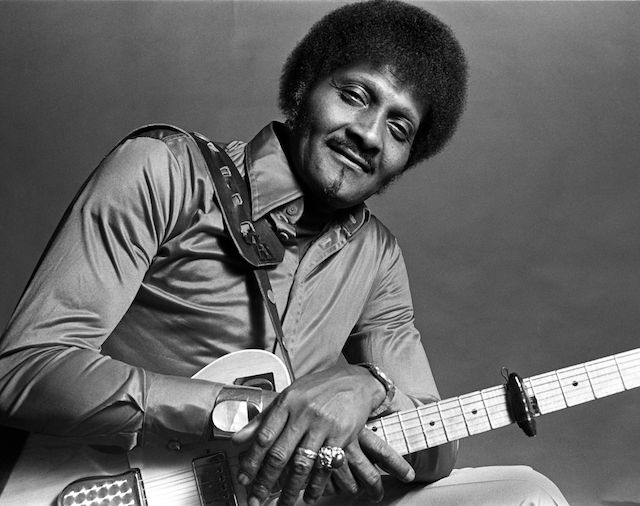
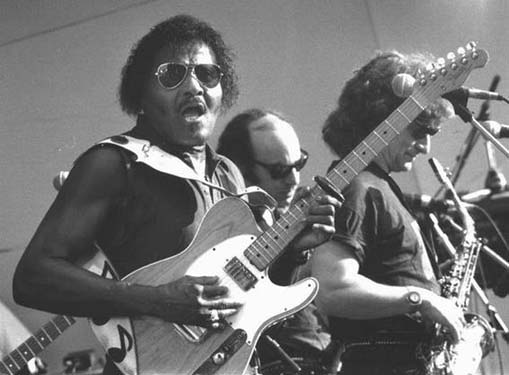
Today: The late Albert Collins was born in 1932, 81 years ago

albert_collins

I was told when I started to play that simple music is the hardest music in the world to play. And blues is simple music.
~Albert Collins

Most of the time I hum what I’m playing so sometimes it bleeds through on the track. That’s why I get hoarse sometimes when I try to sing, I’ll be humming my notes, and I’m not always aware of how hard I’m doing it. That’s really how I started playing, just with my mouth.
~Albert Collins

If trouble was money, I’d swear I’d be a millionaire
If trouble was money, babe, I’d swear I’d be a millionaire
~Albert Collins (If Trouble Was Money)

If Trouble Was Money (Live 1990):

From Wikipedia:

Born October 1, 1932
Leona, Texas, United States
Died November 24, 1993 (aged 61)
Las Vegas, Nevada, United States
Genres Blues, blues rock
Occupations Musician, songwriter
Instruments Guitar, vocals, harmonica
Years active 1952–1993
Labels Alligator

Albert Collins (October 1, 1932 – November 24, 1993) was an American electric blues guitarist and singer (and occasional harmonica player) whose recording career began in the 1960s in Houston and whose fame eventually took him to stages across North America, Europe, Japan and Australia. He had many nicknames, such as “The Ice Man”, “The Master of the Telecaster and “The Razor Blade”.

ACollins

Albert Collins, “The Master of the Telecaster,” “The Iceman,” and “The Razor Blade” was robbed of his best years as a blues performer by a bout with liver cancer that ended with his premature death on November 24, 1993. He was just 61 years old. The highly influential, totally original Collins, like the late John Campbell, was on the cusp of a much wider worldwide following via his deal with Virgin Records’ Pointblank subsidiary. However, unlike Campbell, Collins had performed for many more years, in obscurity, before finally finding a following in the mid-’80s.
~Richard Skelly (allmusic.com)

Iceman:

Albert Collins was an inspiration to a generation of Texas guitar players including Stevie Ray Vaughan and Jimmie Vaughn. He was amongst a small group of Texas blues players, along with Johnny “Guitar” Watson and Johnny Copeland, who together shaped the legacy of T-Bone Walker into a modern blues template that was to have a major influence on many later players.

From an interview with Robert Cray in Guitar World magazine:

…it was seeing Albert Collins at a rock festival in 1969 that really turned his head around. Two years later, Collins played at Cray’s high school graduation party in Tacoma, Washington, and the ice-pick sound really sunk in deep. “That was it,” Cray recalls. “That changed my whole life around. From that moment I started seriously studying the blues.”


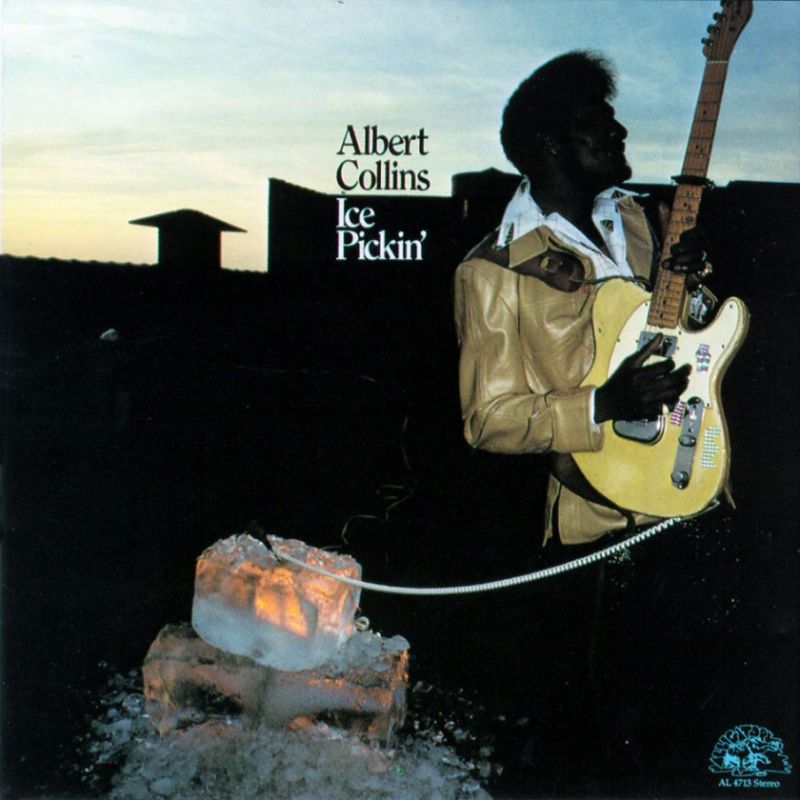
Album of the day – Ice Pickin’ (1978):

albert-collins-ice-pickin

From allmusic – Thom Owens:
Ice Pickin’ is the album that brought Albert Collins directly back into the limelight, and for good reason, too. The record captures the wild, unrestrained side of his playing that had never quite been documented before. Though his singing doesn’t quite have the fire or power of his playing, the album doesn’t suffer at all because of that — he simply burns throughout the album.
….read more over @ allmusic.com

Other October 1:

Continue reading Today: The late Albert Collins was born in 1932, 81 years ago

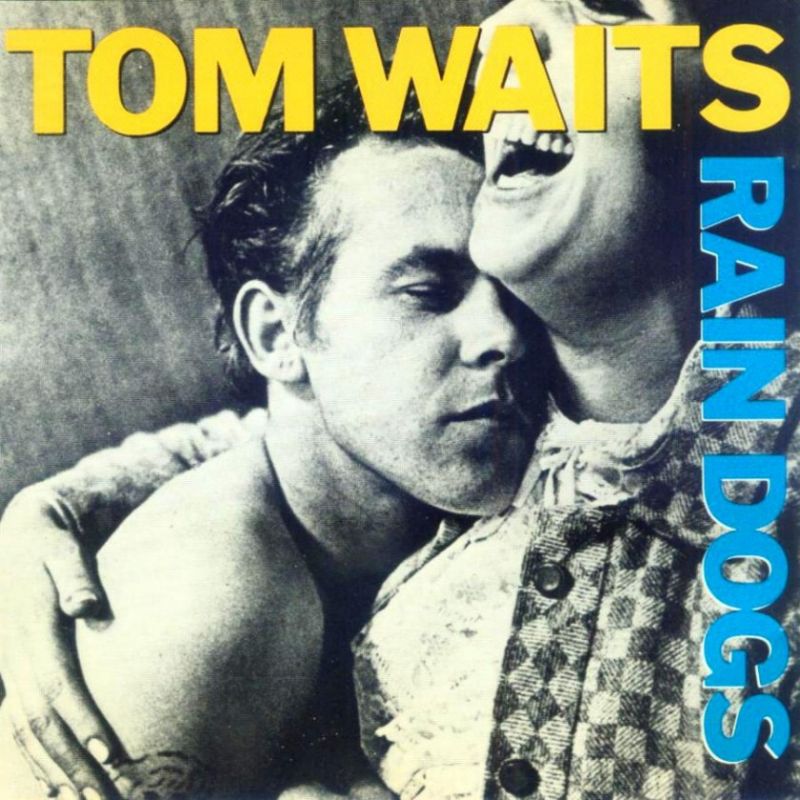
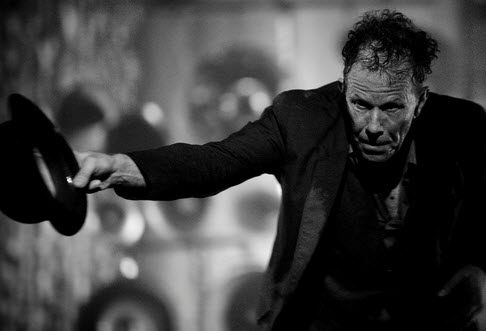
Today: Tom Waits: Rain Dogs was released in 1985, 28 years ago

tom-waits-rain-dogs

“We are all just monkeys with money and guns.”
~Tom Waits

If you get far enough away you’ll be on your way back home.
~Tom Waiys – “Blind Love”

Tango till they’re sore @ Letterman 1986 + interview:

From Wikipedia:

Released 30 September 1985
Recorded RCA Studios
Genre Rock, experimental rock
Length 53:46
Label Island
Producer Tom Waits

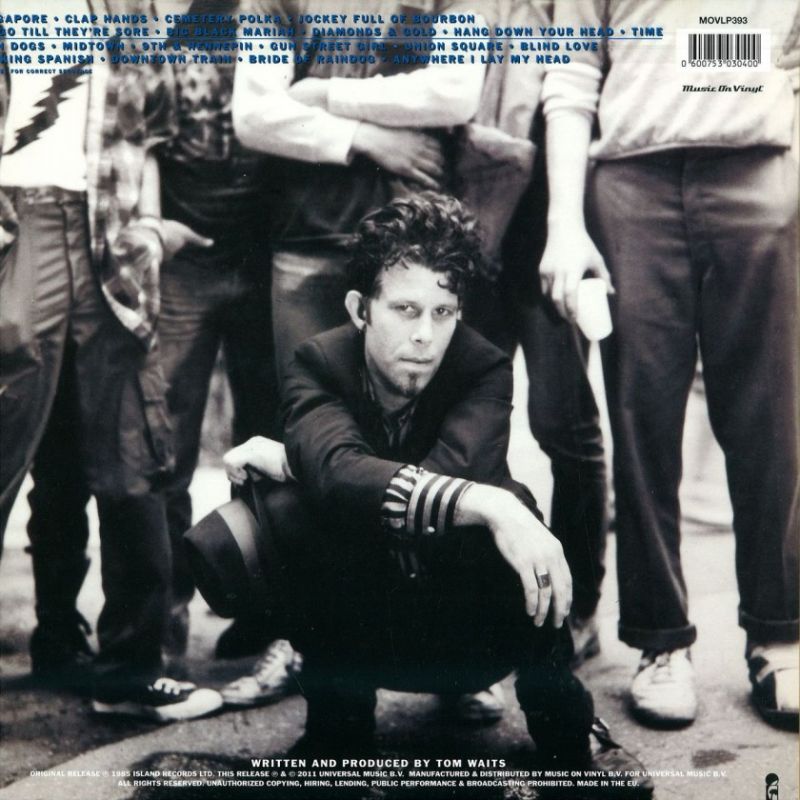
Rain Dogs is the 9th album by American singer-songwriter Tom Waits, released in September 1985 on Island Records. A loose concept album about “the urban dispossessed” of New York City, Rain Dogs is generally considered the middle album of a trilogy that includes Swordfishtrombones and Franks Wild Years.

The album, which includes appearances by guitarists Keith Richards and Marc Ribot, is noted for its broad spectrum of musical styles and genres, described by Rolling Stone as merging “Kurt Weill, pre-rock integrity from old dirty blues, [and] the elegiac melancholy of New Orleans funeral brass, into a singularly idiosyncratic American style.”

tom-waits-rain-dogs - back

The album peaked at #29 on the UK charts  and #188 on the US Billboard Top 200. In 1989, it was ranked #21 on the Rolling Stone list of the “100 greatest albums of the 1980s.” In 2003, the album was ranked number 397 on the magazine’s list of “The 500 Greatest Albums of All Time”.

Pitchfork Media listed Rain Dogs as 8th best album of the 1980s. Slant Magazine listed the album at #14 on its list of “Best Albums of the 1980’s”.

Tom-Waits

Reception:

With its jarring rhythms and unusual instrumentation — marimba, accordion, various percussion — as well as its frequently surreal lyrics, Rain Dogs is very much a follow-up to Swordfishtrombones, which is to say that it sounds for the most part like The Threepenny Opera being sung by Howlin’ Wolf. The chief musical difference is the introduction of guitarist Marc Ribot, who adds his noisy leads to the general cacophony. But Rain Dogs is sprawling where its predecessor had been focused: Tom Waits’ lyrics here sometimes are imaginative to the point of obscurity, seemingly chosen to fit the rhythms rather than for sense. In the course of 19 tracks and 54 minutes, Waits sometimes goes back to the more conventional music of his earlier records, which seems like a retreat, though such tracks as the catchy “Hang Down Your Head,” “Time,” and especially “Downtown Train” (frequently covered and finally turned into a Top Ten hit by Rod Stewart five years later) provide some relief as well as variety.
~William Ruhlmann (allmusic.com)

 …..I can’t choose all three albums as my all-time favourite, so Rain Dogs – the best by a snout – clinches it. Waits had refreshed his sound on Swordfishtrombones two years earlier by moving beyond piano and guitar to dabble with a wider variety of instruments, and on Rain Dogs his repertoire continued to expand, with pump organs, accordions and bowed saws. He also gained the talents of guitarist Marc Ribot, whose humid Cuban licks on Jockey Full of Bourbon perfectly complement Waits’s suave dishevelment.The range of musical styles sprawled, too, and Rain Dogs contains cabaret numbers, country songs, gospel, polkas, ballads and sea shanties. Waits is a sucker for the theatrical, and the ragbag cast here is at the carnivalesque end of things, plus sad-eyed dames and a girl with tattooed tear – “one for every year he’s away, she said” – at the late-night, romantically downbeat, Edward Hopper-ish end. (Most of the album was written in a lower Manhattan basement.)

~Killian Fox: @ The Guardian


tom waits rain dogs

The album has been noted as one of the most important musically and critically in Waits’ career, in particular to the new direction which he undertook from 1983’s Swordfishtrombones onwards.

The album is notable for its many different musical styles; among the album’s 19 tracks are two instrumentals (“Midtown” and “Bride of Rain Dog”), a polka (“Cemetery Polka”), a “kind of a New Orleans thing with trombone”  (“Tango Till They’re Sore”), ballads (“Time”), pop music (“Downtown Train”), and “a gospel thing”  (“Anywhere I Lay My Head”). “Blind Love” marks Waits’ first fully-fledged attempt at the country genre. As Waits said on the Rain Dogs Island Promo Tape (which consisted of taped comments on songs as sent to radio stations, circa late 1985):

“Blind Love” is one of my first country songs. I like Merle Haggard. Most of those other guys, though, sound like they’re all just drinking tea and watching their waist and talking to their accountant. This one I think subscribes to some of that roadhouse feel.

The song “Hang Down Your Head” is loosely based on the folk song “Tom Dooley”, with the lyrics altered but the melody remaining mostly intact.

Rolling Stone called Rain Dogs Waits’ “finest portrait of the tragic kingdom of the streets.” The album’s title comes from an expression which suggests such an atmosphere. Waits cast further light on the metaphor by stating that the album was about “People who live outdoors. You know how after the rain you see all these dogs that seem lost, wandering around. The rain washes away all their scent, all their direction. So all the people on the album are knit together, by some corporeal way of sharing pain and discomfort.”

According to Barney Hoskyns, the album’s general theme of “the urban dispossessed” was inspired in part by Martin Bell’s 1984 documentary Streetwise, to which Waits had been asked to contribute music.

Track Listing:

  1. “Singapore” 2:46
  2. “Clap Hands” 3:47
  3. “Cemetery Polka” 1:51
  4. “Jockey Full of Bourbon” 2:45
  5. “Tango Till They’re Sore” 2:49
  6. “Big Black Mariah” 2:44
  7. “Diamonds & Gold” 2:31
  8. “Hang Down Your Head” Kathleen Brennan, Waits 2:32
  9. “Time” 3:55
  10. “Rain Dogs” 2:56
  11. “Midtown” (instrumental) 1:00
  12. “9th & Hennepin” 1:58
  13. “Gun Street Girl” 4:37
  14. “Union Square” 2:24
  15. “Blind Love” 4:18
  16. “Walking Spanish” 3:05
  17. “Downtown Train” 3:53
  18. “Bride of Rain Dog” (instrumental) 1:07
  19. “Anywhere I Lay My Head”

Personnel:

Performer
  • Tom Waits – vocals (1–10, 12–17, 19), guitar (2, 4, 6, 8–10, 15–17), organ (3, 19), piano (5, 12), pump organ (8), harmonium (18), banjo (13)
Musicians
  • Tom Waits – vocals (1–10, 12–17, 19), guitar (2, 4, 6, 8–10, 15–17), organ (3, 19), piano (5, 12), pump organ (8), harmonium (18), banjo (13)
  • Michael Blair – percussion (1–4, 7, 8, 12, 13, 17), marimba (2, 7, 10, 12), drums (8, 14, 18), congas (4), bowed saw (12), parade drum (19)
  • Stephen Hodges – drums (1, 2, 4, 6, 10, 11, 15, 16), parade drum (3)
  • Larry Taylor – double bass (1, 3, 4, 6, 8–10, 15), bass (7, 11, 14, 16)
  • Marc Ribot – guitar (1–4, 7, 8, 10)
  • “Hollywood” Paul Litteral – trumpet (1, 11, 19)
  • Bobby Previte – percussion (2), marimba (2)
  • William Schimmel – accordion (3, 9, 10)
  • Bob Funk – trombone (3, 5, 10, 11, 19)
  • Ralph Carney – baritone saxophone (4, 14), saxophone (11, 18), clarinet (12)
  • Greg Cohen – double bass (5, 12, 13)
  • Chris Spedding – guitar (1)
  • Tony Garnier – double bass (2)
  • Keith Richards – guitar (6, 14, 15), backing vocals (15)
  • Robert Musso – banjo (7)
  • Arno Hecht – tenor saxophone (11, 19)
  • Crispin Cioe – saxophone (11, 19)
  • Robert Quine – guitar (15, 17)
  • Ross Levinson – violin (15)
  • John Lurie – alto saxophone (16)
  • G.E. Smith – guitar (17)
  • Mickey Curry – drums (17)
  • Tony Levin – bass (17)
  • Robert Kilgore – organ (17)


Technical personnel:
  • Tom Waits – producer
  • Robert Musso – engineer, mixing (A1–B7, B9, B10)
  • Tom Gonzales – recording
  • Dennis Ferrante – recording
  • Jeff Lippay – recording, mixing (B8)
  • Howie Weinberg – mastering

“Jockey Full of Bourbon” and “Don’t Go into that Barn – London Nov. 2004:

Rain Dogs:

Other September 30:

Continue reading Today: Tom Waits: Rain Dogs was released in 1985, 28 years ago

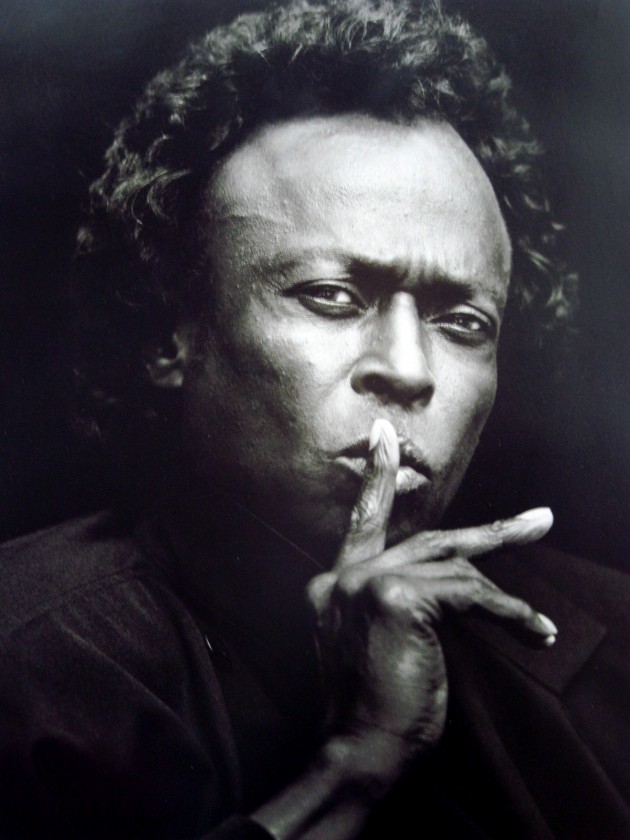
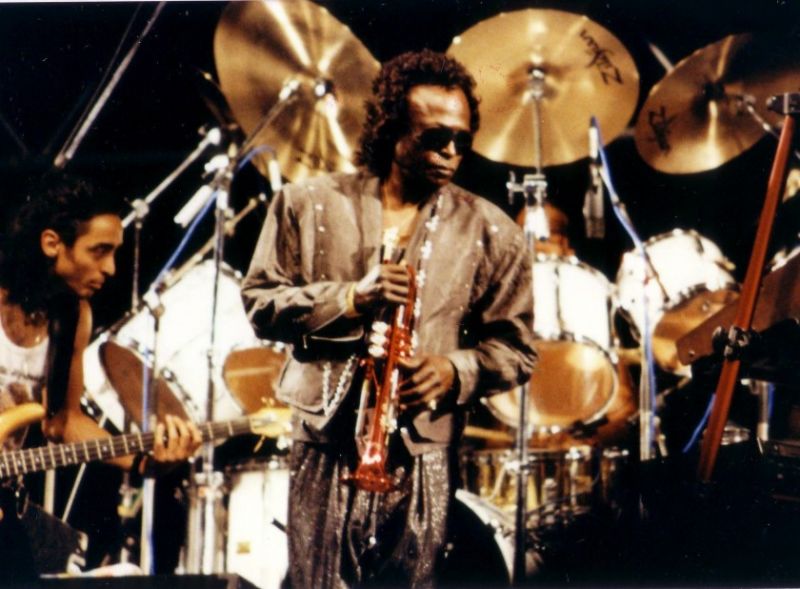
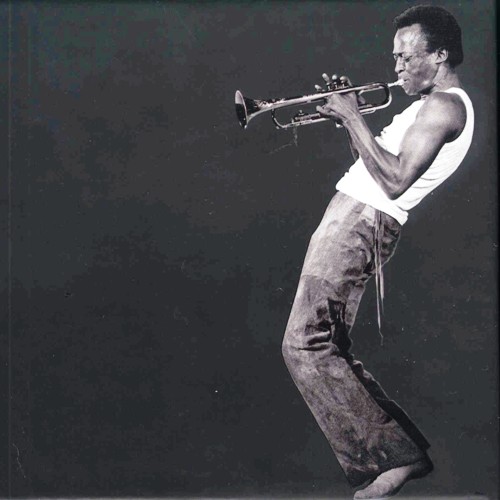
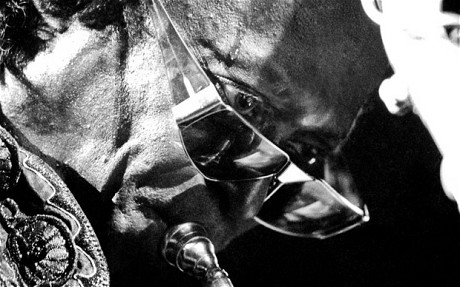
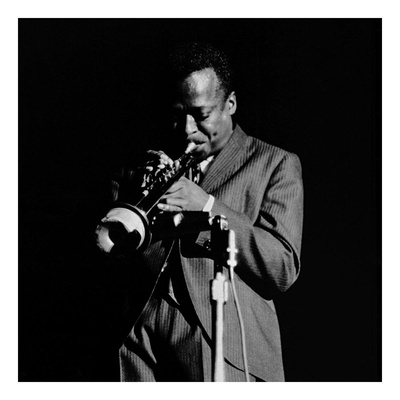
Today: Miles Davis passed away in 1991 22 years ago

miles-davis

“Don’t play what’s there; play what’s not there.”
― Miles Davis

“Good music is good no matter what kind of music it is.”
― Miles Davis

From Wikipedia:

Birth name Miles Dewey Davis III
Born May 26, 1926
Alton, Illinois, United States
Died September 28, 1991 (aged 65)
Santa Monica, California, United States
Genres Jazz, hard bop, bebop, cool jazz, modal, fusion, third stream, jazz-funk, jazz rap
Occupations Bandleader, composer, trumpeter, artist
Instruments Trumpet, flugelhorn, piano,organ
Years active 1944–1975, 1980–1991
Labels Capitol Jazz/EMI,Columbia/CBS, Warner Bros.Dial Records
Associated acts Billy Eckstine, Charlie Parker,Miles Davis Quintet, Gil Evans
Website www.milesdavis.com

Miles Dewey Davis III (May 26, 1926 – September 28, 1991) was an American jazz musician, trumpeter, bandleader, and composer. Widely considered one of the most influential musicians of the 20th century, Miles Davis was, with his musical groups, at the forefront of several major developments in jazz music, including bebop, cool jazz, hard bop, modal jazz, and jazz fusion.

Miles_Davis 2

On October 7, 2008, his 1959 album Kind of Blue received its fourth platinum certification from the Recording Industry Association of America (RIAA), for shipments of at least four million copies in the United States. Miles Davis was inducted into the Rock and Roll Hall of Fame in 2006. Davis was noted as “one of the key figures in the history of jazz”. On December 15, 2009, the U.S. House of Representatives passed a symbolic resolution recognizing and commemorating the album Kind of Blue on its 50th anniversary, “honoring the masterpiece and reaffirming jazz as a national treasure.”

 From allmusic.com – William Ruhlmann:

Throughout a professional career lasting 50 years, Miles Davis played the trumpet in a lyrical, introspective, and melodic style, often employing a stemless Harmon mute to make his sound more personal and intimate. But if his approach to his instrument was constant, his approach to jazz was dazzlingly protean. To examine his career is to examine the history of jazz from the mid-’40s to the early ’90s, since he was in the thick of almost every important innovation and stylistic development in the music during that period, and he often led the way in those changes, both with his own performances and recordings and by choosing sidemen and collaborators who forged new directions. It can even be argued that jazz stopped evolving when Davis wasn’t there to push it forward.
… read more over @ allmusic.com 

So What:

Legacy, influence & awards:

Miles Davis is regarded as one of the most innovative, influential and respected figures in the history of music. He has been described as “one of the great innovators in jazz”. The Rolling Stone Encyclopedia of Rock & Roll noted “Miles Davis played a crucial and inevitably controversial role in every major development in jazz since the mid-’40s, and no other jazz musician has had so profound an effect on rock. Miles Davis was the most widely recognized jazz musician of his era, an outspoken social critic and an arbiter of style—in attitude and fashion—as well as music”. His album Kind of Blue is the best-selling album in the history of jazz music. On November 5, 2009, Rep. John Conyers of Michigan sponsored a measure in the United States House of Representatives to recognize and commemorate the album on its 50th anniversary. The measure also affirms jazz as a national treasure and “encourages the United States government to preserve and advance the art form of jazz music.” It passed, unanimously, with a vote of 409–0 on December 15, 2009.

His approach, owing largely to the African American performance tradition that focused on individual expression, emphatic interaction, and creative response to shifting contents, had a profound impact on generations of jazz musicians.

In 1986, the New England Conservatory awarded Miles Davis an Honorary Doctorate for his extraordinary contributions to music. Since 1960 the National Academy of Recording Arts and Sciences (NARAS) has honored him with eight Grammy Awards, a Grammy Lifetime Achievement Award, and three Grammy Hall of Fame Awards. In 2010, Moldejazz premiered a play called Driving Miles, which focused on a landmark concert Davis performed in Molde, Norway, in 1984.

All Blues – 1964:

  • Winner; Down Beat Reader’s Poll Best Trumpet Player 1955
  • Winner; Down Beat Reader’s Poll Best Trumpet Player 1957
  • Winner; Down Beat Reader’s Poll Best Trumpet Player 1961
  • Grammy Award for Best Jazz Composition Of More Than Five Minutes Duration for Sketches of Spain (1960)
  • Grammy Award for Best Jazz Performance, Large Group Or Soloist With Large Group for Bitches Brew (1970)
  • Grammy Award for Best Jazz Instrumental Performance, Soloist for We Want Miles (1982)
  • Sonning Award for Lifetime Achievement In Music (1984; Copenhagen, Denmark)
  • Doctor of Music, honoris causa (1986; New England Conservatory)
  • Grammy Award for Best Jazz Instrumental Performance, Soloist for Tutu (1986)
  • Grammy Award for Best Jazz Instrumental Performance, Soloist for Aura (1989)
  • Grammy Award for Best Jazz Instrumental Performance, Big Band for Aura (1989)
  • Grammy Lifetime Achievement Award (1990)
  • Australian Film Institute Award for Best Original Music Score for Dingo, shared with Michel Legrand (1991)
  • Knight of the Legion of Honor (July 16, 1991; Paris)
  • Grammy Award for Best R&B Instrumental Performance for Doo-Bop (1992)
  • Grammy Award for Best Large Jazz Ensemble Performance for Miles & Quincy Live at Montreux (1993)
  • Hollywood Walk of Fame Star (February 19, 1998)
  • Rock and Roll Hall of Fame Induction (March 13, 2006)
  • Hollywood’s Rockwalk Induction (September 28, 2006)
  • RIAA Quadruple Platinum for Kind of Blue
  • St. Louis Walk of Fame

I know what I’ve done for music, but don’t call me a legend. Just call me Miles Davis.

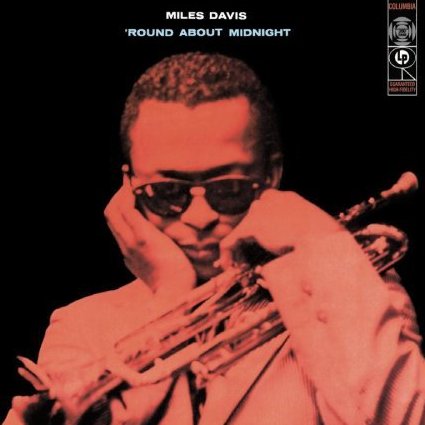
Album of the day: ‘Round Midnight (1956):


Other September 27:

Continue reading Today: Miles Davis passed away in 1991 22 years ago

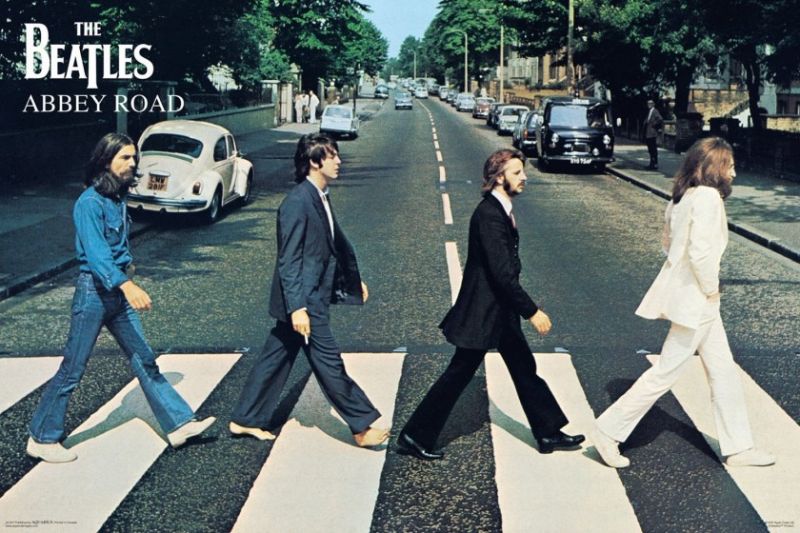
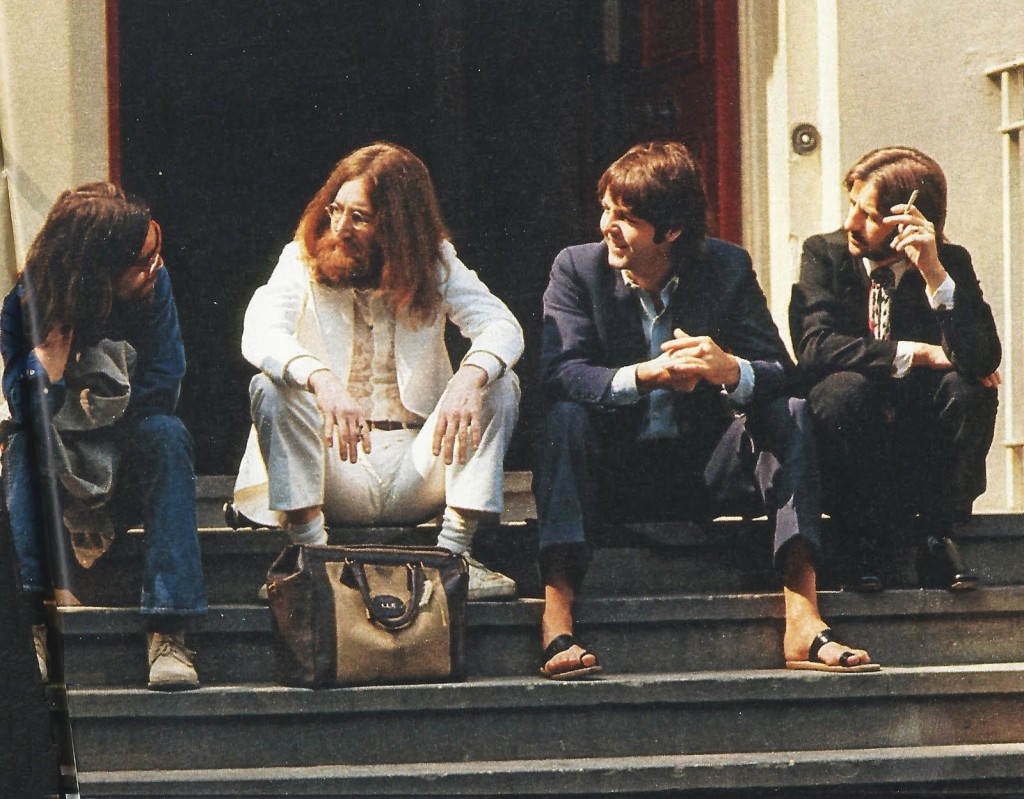
Today: Abbey Road was released 44 years ago

beatles abbey road

Released 26 September 1969
Recorded 22 February – 20 August 1969,EMI, Olympic and Trident Studios,London
Genre Rock
Length 47:23
Label Apple
Producer George Martin

Abbey Road is the 11th studio album released by the English rock band The Beatles. It is their last recorded album, although Let It Be was the last album released before the band’s dissolution in 1970. Work on Abbey Roadbegan in April 1969, and the album was released on 26 September 1969 in the United Kingdom, and 1 October 1969 in the United States.

Abbey Road is widely regarded as one of The Beatles’ most tightly constructed albums, although the band was barely operating as a functioning unit at the time. Despite the tensions within the band, Abbey Road was released to near universal acclaim and is considered to be one of the greatest albums of all time. In 2012, Abbey Road was voted 14th on Rolling Stone magazine’s list of the “500 Greatest Albums of All Time”. In 2009, readers of the magazine also named Abbey Road the greatest Beatles album.

After the near-disastrous sessions for the proposed Get Back album (later released as Let It Be), Paul McCartney suggested to music producer George Martin that the group get together and make an album “the way we used to”, free of the conflict that began after the death of Brian Epstein and carrying over to the sessions for the “White Album”. Martin agreed, stipulating that he must be allowed to do the album his way. This would be the last time the band would record with Martin.

Golden slumbers/Carry That Weight/The End my favourite Beatles song:

In their interviews for The Beatles Anthology, the surviving band members stated that, although none of them ever made the distinction of calling it the “last album”, they all felt when this would very likely be the last Beatles product and therefore agreed to set aside their differences and “go out on a high note”.

With the Let It Be album partly finished, the sessions for Abbey Road began in April, as the single “The Ballad of John and Yoko” / “Old Brown Shoe” was completed. In fact, recording sessions of John Lennon’s “I Want You (She’s So Heavy)” had already started in February 1969 in Trident studios, with Billy Preston on the organ—only three weeks after the Get Back sessions. Photos from these sessions are included in the book Get Back, which came along with the Let It Be album but not in the Let It Be film. McCartney is clean-shaven and Lennon has started to let his beard grow.

Most of the album was recorded between 2 July and 1 August 1969. After the album was finished and released, the Get Back / Let It Be project was re-examined. More work was done on the album, including the recording of more music (see Let It Be). Thus, though the bulk of Let It Be was recorded before Abbey Road, the latter was released first, and Abbey Road was the last album properly started by The Beatles before they disbanded. Lennon was on hiatus from the group and working with the Plastic Ono Band during the September 1969 lead-up to Abbey Road’s release, which was effectively the first official sign of The Beatles’ impending dissolution.

Continue reading Today: Abbey Road was released 44 years ago