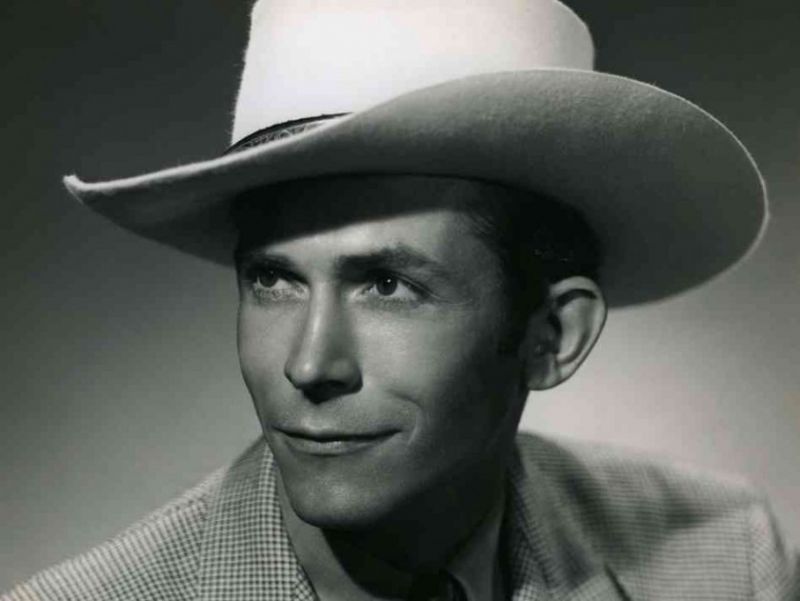
September 17: Hank Williams birthday

hank williams

It can be explained in just one word: sincerity. When a hillbilly sings a crazy song, he feels crazy. When he sings, ‘I Laid My Mother Away,’ he sees her a-laying right there in the coffin. He sings more sincere than most entertainers because the hillbilly was raised rougher than most entertainers. You got to know a lot about hard work. You got to have smelt a lot of mule manure before you can sing like a hillbilly. The people that have been raised something like the way the hillbilly has…. knows what he sings about and appreciates it
~Hank Williams (on the success of Country Music)

Nobody had a talent for making suffering enjoyable like Hank Williams
~Kris Kristofferson

Hank Williams was the first influence I would think.
~Bob Dylan (to Billy James, Oct 1961)

I started writing songs after I heard Hank Williams.
~Bob Dylan (The Les Crane Show, 17 Feb 1965)

Check out this post: Bob Dylan covers Hank Williams

Cold Cold Heart:

From Wikipedia:

Birth name Hiram King Williams
Also known as The Lovesick Blues Boy
Lovesick
Luke the Drifter
Hank Williams, Sr.
The Hillbilly Shakespeare
Born September 17, 1923
Mount Olive, Butler County, Alabama
Died January 1, 1953 (aged 29)
Oak Hill, West Virginia
Genres Country, Western, gospel,blues, honky-tonk, folk
Occupations Songwriter
Musician
Instruments Vocals, guitar
Years active 1937–1952
Labels Sterling, MGM
Associated acts Drifting Cowboys
Audrey Williams
Website www.hankwilliams.com

Continue reading September 17: Hank Williams birthday

Bob Dylan – On This Day – September 16

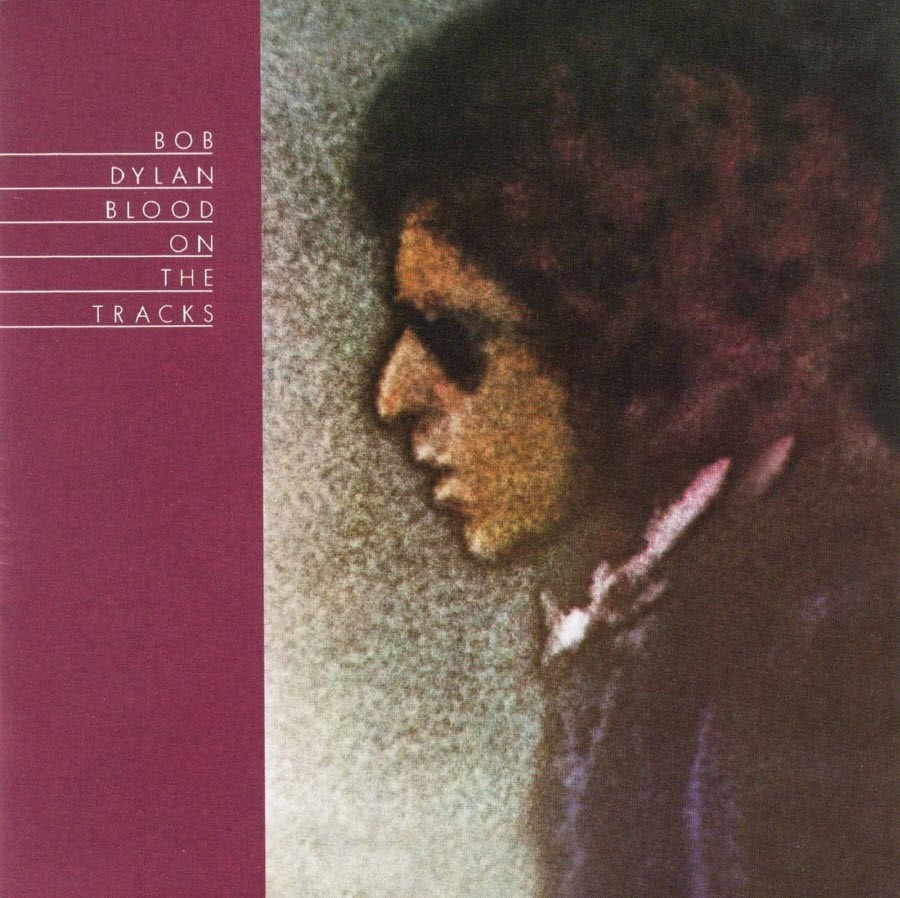
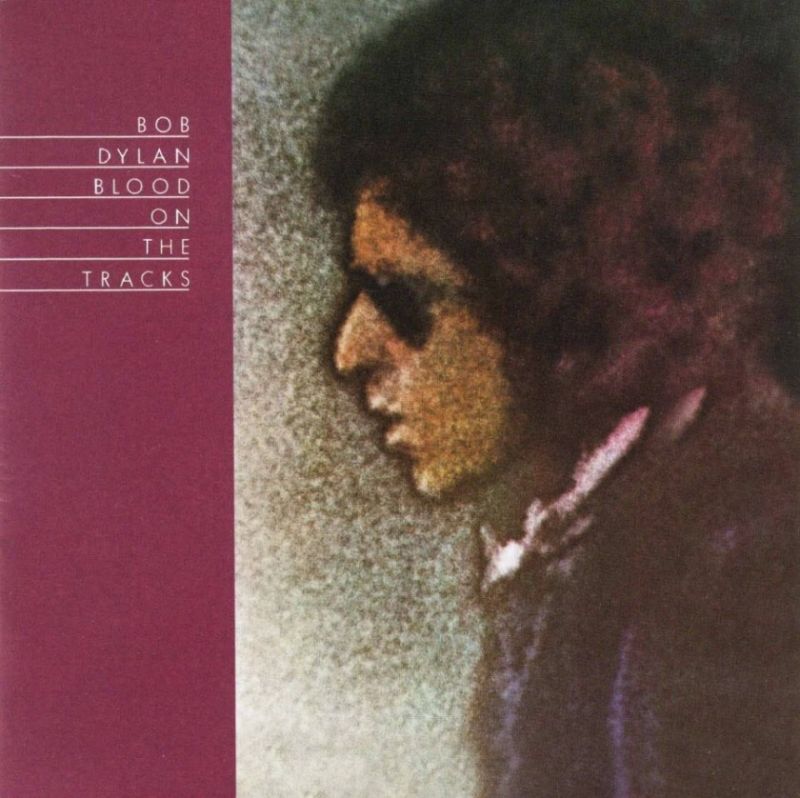
blood-on-the-tracks-album-cover

I once read a book of Nathaniel Hawthorne’s letters to some girl, and they were extremely private and personal, and I didn’t feel there was any of myself in those letters, but I could identify with what he was saying. A lot of myself crosses over into my songs. I’ll write something and say to myself, I can change this, I can make this not so personal, and at other times I’ll say, I think I’ll leave this on a personal level, and if somebody wants to peek at it and make up their own minds about what kind of character I am, that’s up to them. Other times I might say, well, it’s too personal, I think I’ll turn the corner on it, because why do I want somebody thinking about what I’m thinking about, especially if it’s not to their benefit.
~Bob Dylan to Scott Choen (SPIN), 1985

Studio work
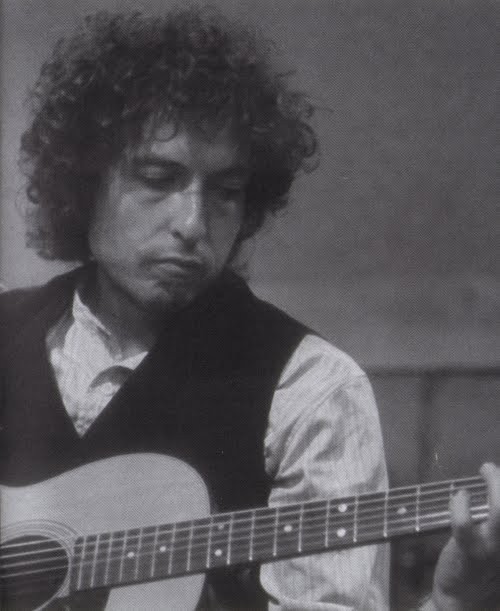
Bob Dylan Blood On The Tracks insert

Concerts

  • 1978 – Maine Cumberland Civic Center, Portland, ME, USA
  • 1987 – Frankenhalle, Nürnberg (Nuremberg), Germany
  • 1988 – University Of South Carolina, Columbia, SC, USA
  • 2000 – Aberdeen Exhibition & Conference Centre, Aberdeen, Scotland, UK
  • 2007 – Zilker Park, Austin City Limits Music Festival, Austin, TX, USA

Feedback

Please give me feedback if you now of an interesting “Bob Dylan event” related to September 16

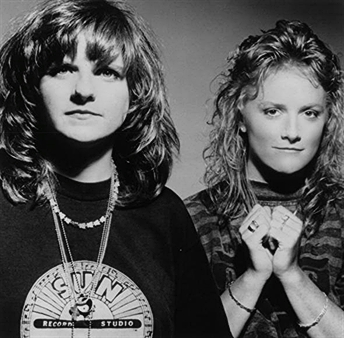
The Best Dylan Covers: Indigo Girls – Tangled Up In Blue

Indigo-Girls

Tangled Up in Blue is a song by Bob Dylan. It appeared on his album Blood on the Tracks in 1975. Released as a single, it reached #31 on the Billboard Hot 100. Rolling Stone ranked it #68 on their list of the 500 Greatest Songs of All Time.

220px-Tangled_Up_in_Blue_Cover

The Telegraph has described the song as “The most dazzling lyric ever written, an abstract narrative of relationships told in an amorphous blend of first and third person, rolling past, present and future together, spilling out in tripping cadences and audacious internal rhymes, ripe with sharply turned images and observations and filled with a painfully desperate longing.

Indigo Girls are an American folk rock music duo consisting of Amy Ray and Emily Saliers. They met in elementary school and began performing together as high school students in Decatur, Georgia, part of the Atlanta metropolitan area. They started performing with the name Indigo Girls as students at Emory University, performing weekly at The Dugout, a bar in Emory Village.

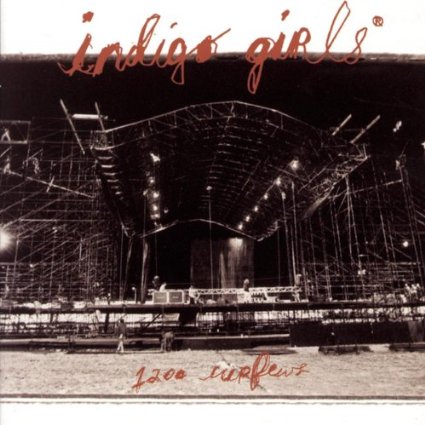
They performed Tangled up in Blue live and released it on their live album 1200 Curfews in 1995. They also released the song together with the band, Drag The River on a Dylan tribute album, “A Tribute to Bob Dylan, vol1” back in 1991.

1200 curfews

Continue reading The Best Dylan Covers: Indigo Girls – Tangled Up In Blue

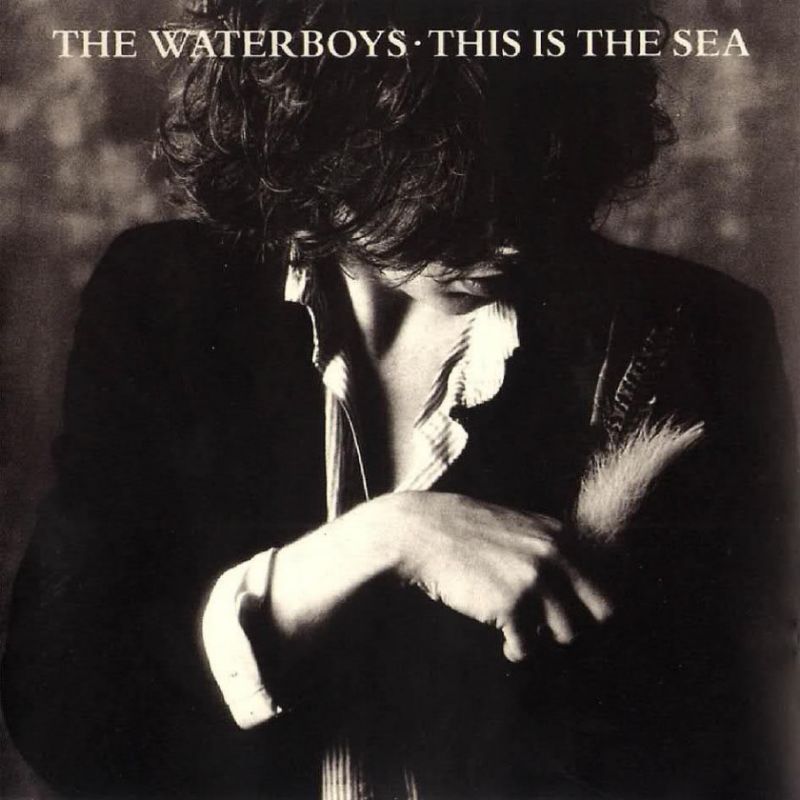
September 16: The Waterboys released This is the sea in 1985

this is the sea

This is the The Waterboys’ third album and, In my humble opinion, their best of the so called “big sound” albums (the first three albums).

I have heard the big music
And I’ll never be the same
Something so pure
– Big Music (from the album, A Pagan Place)


Photo: allmusic
Photo: AllDylan.com

It was the first Waterboys album to enter the United Kingdom charts, peaking at number thirty-seven. Steve Wickham makes his Waterboys recording debut playing violin on ‘The Pan Within’ and subsequently joined the band, appearing on the video of “The Whole Of The Moon”. This Is the Sea is the last album with contributions from Karl Wallinger, who left the group to form his own band, World Party.

Mike Scott, the album’s principal songwriter and leader of The Waterboys, describes This Is the Sea as “the record on which I achieved all my youthful musical ambitions”, “the final, fully realised expression of the early Waterboys sound”, influenced by The Velvet Underground, Van Morrison’s Astral Weeks, and Steve Reich.[4] The album was recorded between March and July 1985, and released that October (see 1985 in music). A remastered and expanded version was released in 2004. This Is the Sea contains the best-selling Waterboys single, the song “The Whole of the Moon”.

Continue reading September 16: The Waterboys released This is the sea in 1985

September 16: Bob Dylan “Blood On The Tracks” first recording session 1974

blood-on-the-tracks-album-cover

Bob Dylan started recording Blood On The Tracks September 16, 1974.

Here are some quotes, facts & music….

When Dylan began work at A&R one Monday afternoon in September he seemed unusually keen to get on with the recording process. The songs themselves were no more than 2 months old, and he was still excited by the new approach to language he had uncovered.
Even behind closed studio doors he was determined to get the songs out of his system as quickly, and with as much impact, as possible
~Clinton Heylin (The Recording Sessions)

From Wikipedia:

Dylan arrived at Columbia Records’ A&R Recording Studios in New York City on September 16, 1974, where it was soon realized that he was taking a “spontaneous” approach to recording. The session engineer at the time, Phil Ramone, later said that he would “go from one song to another like a medley. Sometimes he will have several bars, and in the next version, he will change his mind about how many bars there should be in between a verse. Or eliminate a verse. Or add a chorus when you don’t expect”. Eric Weissberg and his band, Deliverance, originally recruited as session men, were rejected after two days of recording because they could not keep up with Dylan’s pace. Dylan retained bassist Tony Brown from the band, and soon added organist Paul Griffin (who had also worked on Highway 61 Revisited) and steel guitarist Buddy Cage. After ten days and four sessions with the current lineup, Dylan had finished recording and mixing, and, by November, had cut a test pressing on the album. Columbia soon began to prepare for the album’s imminent release, but, three months later, just before the scheduled launch, Dylan re-recorded several songs at the last minute, in Minneapolis’ Sound 80 Studios, utilizing local musicians organized by his brother, David Zimmerman. Even with this setback, Columbia managed to release Blood on the Tracks by January 17, 1975.

Continue reading September 16: Bob Dylan “Blood On The Tracks” first recording session 1974