William Zanzinger killed poor Hattie Carroll
With a cane that he twirled around his diamond ring finger
At a Baltimore hotel society gath’rin’
And the cops were called in and his weapon took from him
As they rode him in custody down to the station
And booked William Zanzinger for first-degree murder
But you who philosophize disgrace and criticize all fears
Take the rag away from your face
Now ain’t the time for your tears
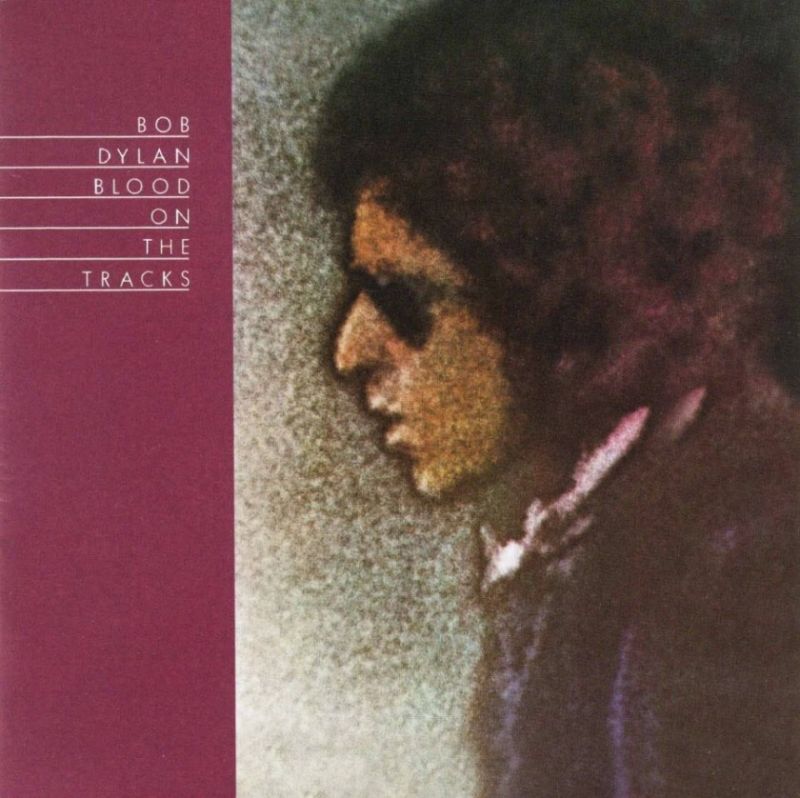
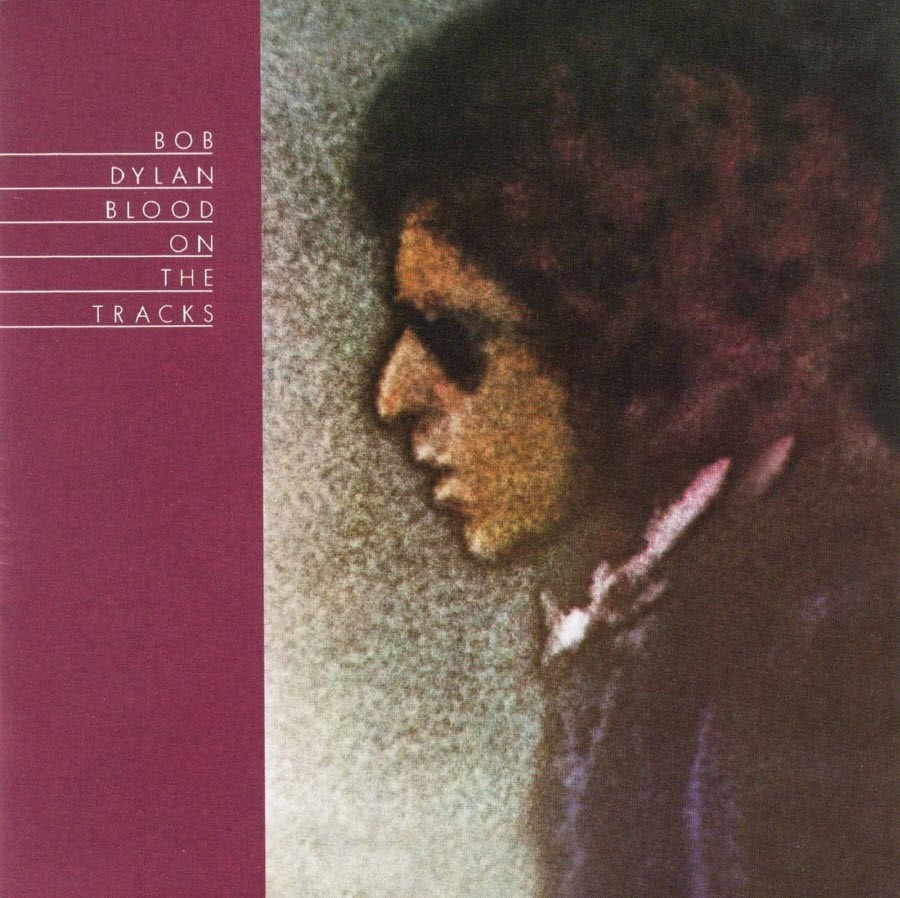
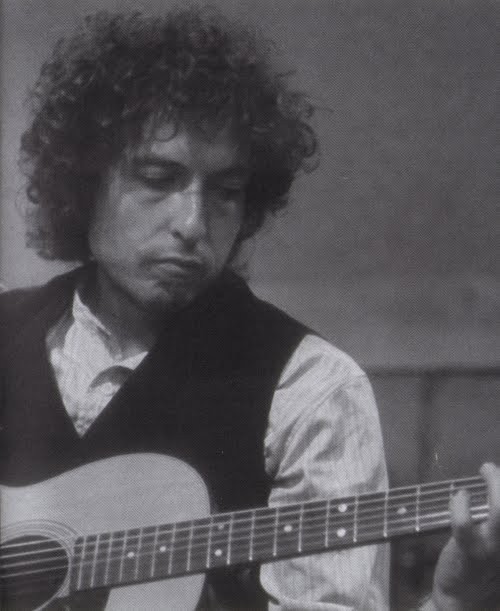
Bob Dylan’s second recording session for Blood On The Tracks continued on September 17, 1974. Another important day in the studio.
Here are some quotes, facts & music….
We cut the entire album in one day like that. Now that blew my mind. I was 19-years-old and trying to learn how to make art. The style of the time was set by guys I was working with like Paul Simon, who would take weeks recording a guitar part only to throw it away. I thought that was the way one was supposed to do it: one note at a time and a year to make an album. Dylan cut the whole thing in six hours on a Monday night. I was confused. It was like the floor, barely built under my young soul, was being ripped apart, board by board. Then Dylan came back in on Tuesday, and recorded most of the album again.
~Glenn Berger (Bob Dylan’s Blood On The Tracks: The Untold Story)
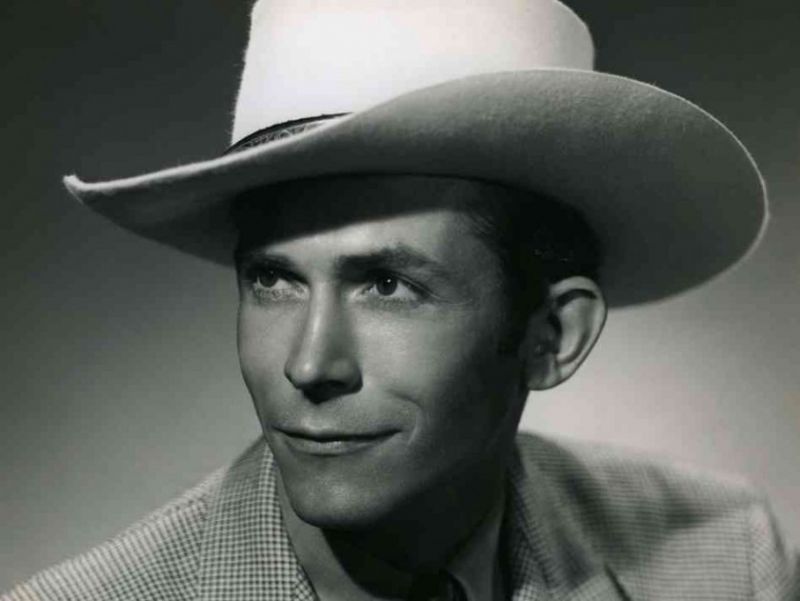
It can be explained in just one word: sincerity. When a hillbilly sings a crazy song, he feels crazy. When he sings, ‘I Laid My Mother Away,’ he sees her a-laying right there in the coffin. He sings more sincere than most entertainers because the hillbilly was raised rougher than most entertainers. You got to know a lot about hard work. You got to have smelt a lot of mule manure before you can sing like a hillbilly. The people that have been raised something like the way the hillbilly has…. knows what he sings about and appreciates it
~Hank Williams (on the success of Country Music)
Nobody had a talent for making suffering enjoyable like Hank Williams
~Kris Kristofferson
Hank Williams was the first influence I would think.
~Bob Dylan (to Billy James, Oct 1961)
I started writing songs after I heard Hank Williams.
~Bob Dylan (The Les Crane Show, 17 Feb 1965)
I once read a book of Nathaniel Hawthorne’s letters to some girl, and they were extremely private and personal, and I didn’t feel there was any of myself in those letters, but I could identify with what he was saying. A lot of myself crosses over into my songs. I’ll write something and say to myself, I can change this, I can make this not so personal, and at other times I’ll say, I think I’ll leave this on a personal level, and if somebody wants to peek at it and make up their own minds about what kind of character I am, that’s up to them. Other times I might say, well, it’s too personal, I think I’ll turn the corner on it, because why do I want somebody thinking about what I’m thinking about, especially if it’s not to their benefit.
~Bob Dylan to Scott Choen (SPIN), 1985
Studio work
Studio A, A & R Recording, New York City, New York
September 16, 1974, 6 pm-midnight.
Produced by Bob Dylan
Engineers: Phil Ramone & Glenn Berger (“Phil & Lenn”)
–