All posts by Hallgeir

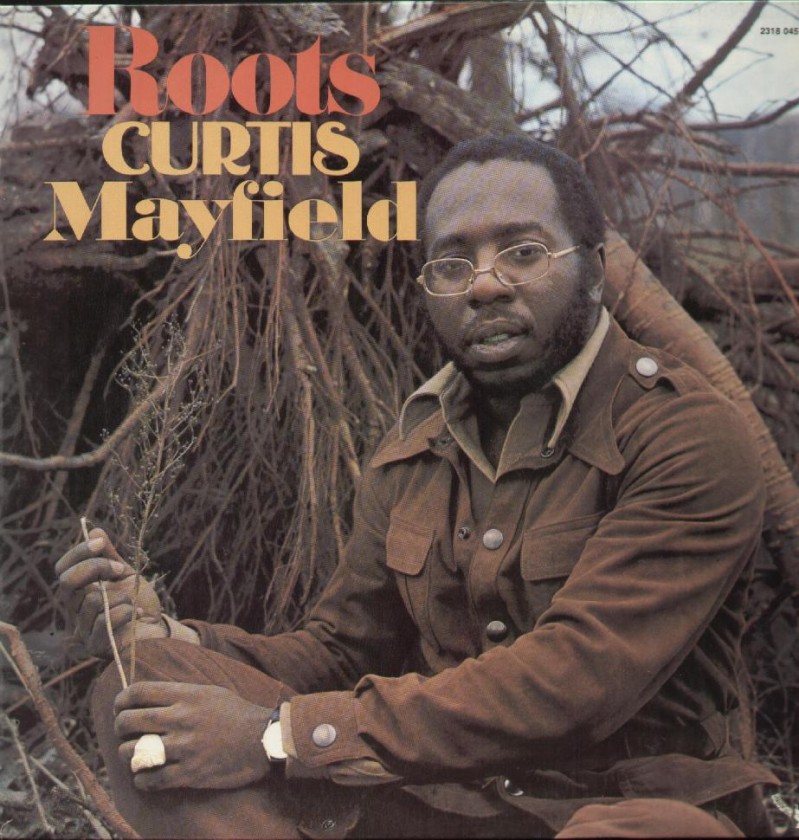
Curtis Mayfield released Roots in October 1971

curtis-mayfield-roots

Roots is Curtis Mayfield’s second studio album, released in October 1971, we don’t know the exact date so we will do the celebration today.

Curtis Mayfield – Keep on keeping on (BBC TV, 1972):

I love Mayfield’s pleading voice and strong songwriting. In a just world this album would be as well-known as Marvin Gaye’s What’s Goin on, it is equally good. It has many similarities with What’s Goin’ on, the long songs (relatively), the far-reaching ambition both lyrically and musically, the heartbreaking and soulful ballads and the sweet voice of a soul legend at his peak.

The music is extremely bold, Curtis Mayfield creates a sound scape that is both complex and simple at the same time.

And you can dance to it!

Curtis Mayfield – Get Down (Soul Train, 1972):

“The music is even bolder than the material on the Curtis album, with Mayfield expanding his instrumental range to the level of a veritable soul orchestra; and the recording is better realized, as Mayfield, with that album and a tour behind him, shows a degree of confidence that only a handful of soul artists of this era could have mustered. “
– Bruce Eder (allmusic)

Curtis Mayfield – Roots on Spotify:

– Hallgeir

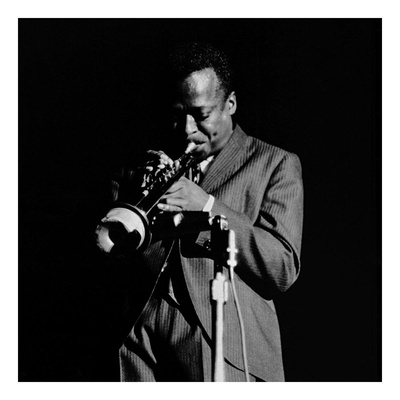
Today: Miles Davis passed away in 1991 22 years ago

miles-davis

“Don’t play what’s there; play what’s not there.”
― Miles Davis

“Good music is good no matter what kind of music it is.”
― Miles Davis

From Wikipedia:

Birth name Miles Dewey Davis III
Born May 26, 1926
Alton, Illinois, United States
Died September 28, 1991 (aged 65)
Santa Monica, California, United States
Genres Jazz, hard bop, bebop, cool jazz, modal, fusion, third stream, jazz-funk, jazz rap
Occupations Bandleader, composer, trumpeter, artist
Instruments Trumpet, flugelhorn, piano,organ
Years active 1944–1975, 1980–1991
Labels Capitol Jazz/EMI,Columbia/CBS, Warner Bros.Dial Records
Associated acts Billy Eckstine, Charlie Parker,Miles Davis Quintet, Gil Evans
Website www.milesdavis.com

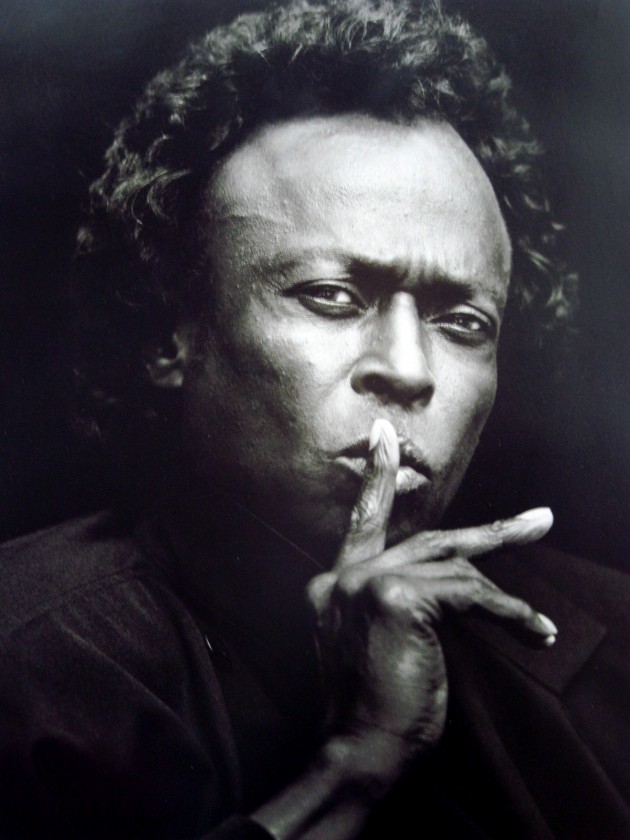
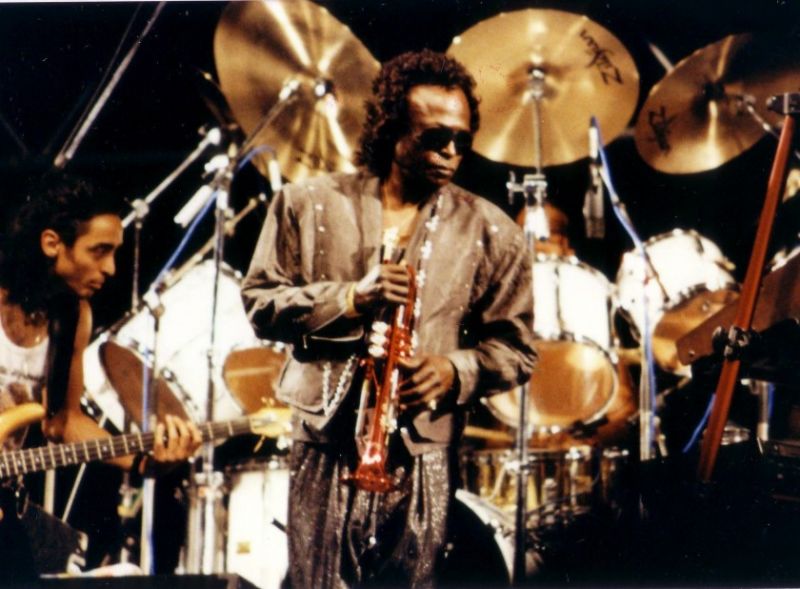
Miles Dewey Davis III (May 26, 1926 – September 28, 1991) was an American jazz musician, trumpeter, bandleader, and composer. Widely considered one of the most influential musicians of the 20th century, Miles Davis was, with his musical groups, at the forefront of several major developments in jazz music, including bebop, cool jazz, hard bop, modal jazz, and jazz fusion.
Miles_Davis 2

On October 7, 2008, his 1959 album Kind of Blue received its fourth platinum certification from the Recording Industry Association of America (RIAA), for shipments of at least four million copies in the United States. Miles Davis was inducted into the Rock and Roll Hall of Fame in 2006. Davis was noted as “one of the key figures in the history of jazz”. On December 15, 2009, the U.S. House of Representatives passed a symbolic resolution recognizing and commemorating the album Kind of Blue on its 50th anniversary, “honoring the masterpiece and reaffirming jazz as a national treasure.”
 From allmusic.com – William Ruhlmann:

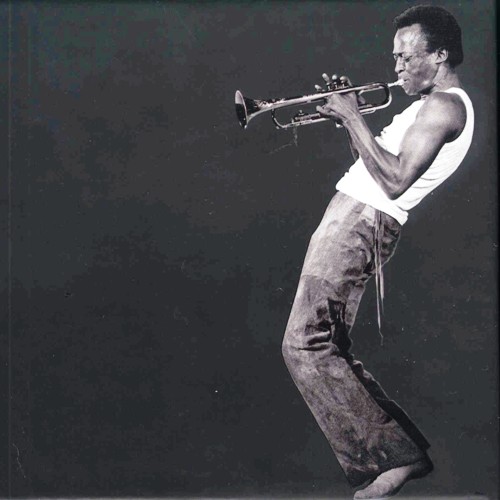
Throughout a professional career lasting 50 years, Miles Davis played the trumpet in a lyrical, introspective, and melodic style, often employing a stemless Harmon mute to make his sound more personal and intimate. But if his approach to his instrument was constant, his approach to jazz was dazzlingly protean. To examine his career is to examine the history of jazz from the mid-’40s to the early ’90s, since he was in the thick of almost every important innovation and stylistic development in the music during that period, and he often led the way in those changes, both with his own performances and recordings and by choosing sidemen and collaborators who forged new directions. It can even be argued that jazz stopped evolving when Davis wasn’t there to push it forward.
… read more over @ allmusic.com 

So What:

Legacy, influence & awards:

Miles Davis is regarded as one of the most innovative, influential and respected figures in the history of music. He has been described as “one of the great innovators in jazz”. The Rolling Stone Encyclopedia of Rock & Roll noted “Miles Davis played a crucial and inevitably controversial role in every major development in jazz since the mid-’40s, and no other jazz musician has had so profound an effect on rock. Miles Davis was the most widely recognized jazz musician of his era, an outspoken social critic and an arbiter of style—in attitude and fashion—as well as music”. His album Kind of Blue is the best-selling album in the history of jazz music. On November 5, 2009, Rep. John Conyers of Michigan sponsored a measure in the United States House of Representatives to recognize and commemorate the album on its 50th anniversary. The measure also affirms jazz as a national treasure and “encourages the United States government to preserve and advance the art form of jazz music.” It passed, unanimously, with a vote of 409–0 on December 15, 2009.
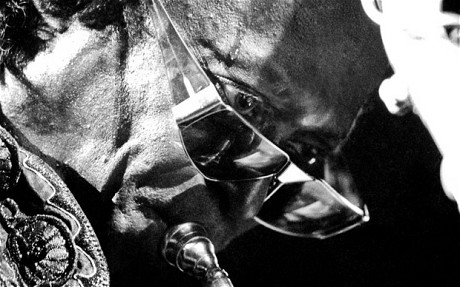
His approach, owing largely to the African American performance tradition that focused on individual expression, emphatic interaction, and creative response to shifting contents, had a profound impact on generations of jazz musicians.

In 1986, the New England Conservatory awarded Miles Davis an Honorary Doctorate for his extraordinary contributions to music. Since 1960 the National Academy of Recording Arts and Sciences (NARAS) has honored him with eight Grammy Awards, a Grammy Lifetime Achievement Award, and three Grammy Hall of Fame Awards. In 2010, Moldejazz premiered a play called Driving Miles, which focused on a landmark concert Davis performed in Molde, Norway, in 1984.

All Blues – 1964:

  • Winner; Down Beat Reader’s Poll Best Trumpet Player 1955
  • Winner; Down Beat Reader’s Poll Best Trumpet Player 1957
  • Winner; Down Beat Reader’s Poll Best Trumpet Player 1961
  • Grammy Award for Best Jazz Composition Of More Than Five Minutes Duration for Sketches of Spain (1960)
  • Grammy Award for Best Jazz Performance, Large Group Or Soloist With Large Group for Bitches Brew (1970)
  • Grammy Award for Best Jazz Instrumental Performance, Soloist for We Want Miles (1982)
  • Sonning Award for Lifetime Achievement In Music (1984; Copenhagen, Denmark)
  • Doctor of Music, honoris causa (1986; New England Conservatory)
  • Grammy Award for Best Jazz Instrumental Performance, Soloist for Tutu (1986)
  • Grammy Award for Best Jazz Instrumental Performance, Soloist for Aura (1989)
  • Grammy Award for Best Jazz Instrumental Performance, Big Band for Aura (1989)
  • Grammy Lifetime Achievement Award (1990)
  • Australian Film Institute Award for Best Original Music Score for Dingo, shared with Michel Legrand (1991)
  • Knight of the Legion of Honor (July 16, 1991; Paris)
  • Grammy Award for Best R&B Instrumental Performance for Doo-Bop (1992)
  • Grammy Award for Best Large Jazz Ensemble Performance for Miles & Quincy Live at Montreux (1993)
  • Hollywood Walk of Fame Star (February 19, 1998)
  • Rock and Roll Hall of Fame Induction (March 13, 2006)
  • Hollywood’s Rockwalk Induction (September 28, 2006)
  • RIAA Quadruple Platinum for Kind of Blue
  • St. Louis Walk of Fame

I know what I’ve done for music, but don’t call me a legend. Just call me Miles Davis.

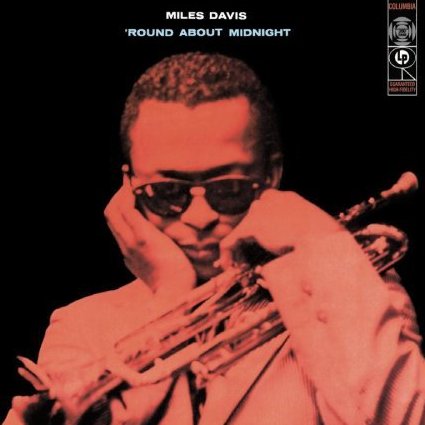
Album of the day: ‘Round Midnight (1956):
 

Other September 27:

Continue reading Today: Miles Davis passed away in 1991 22 years ago

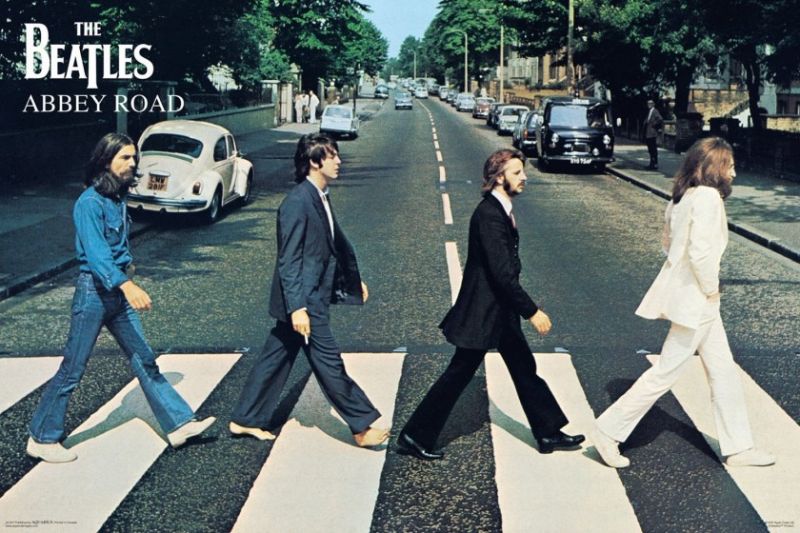
Today: Abbey Road was released 44 years ago

beatles abbey road

Released 26 September 1969
Recorded 22 February – 20 August 1969,EMI, Olympic and Trident Studios,London
Genre Rock
Length 47:23
Label Apple
Producer George Martin

Abbey Road is the 11th studio album released by the English rock band The Beatles. It is their last recorded album, although Let It Be was the last album released before the band’s dissolution in 1970. Work on Abbey Roadbegan in April 1969, and the album was released on 26 September 1969 in the United Kingdom, and 1 October 1969 in the United States.

Abbey Road is widely regarded as one of The Beatles’ most tightly constructed albums, although the band was barely operating as a functioning unit at the time. Despite the tensions within the band, Abbey Road was released to near universal acclaim and is considered to be one of the greatest albums of all time. In 2012, Abbey Road was voted 14th on Rolling Stone magazine’s list of the “500 Greatest Albums of All Time”. In 2009, readers of the magazine also named Abbey Road the greatest Beatles album.

After the near-disastrous sessions for the proposed Get Back album (later released as Let It Be), Paul McCartney suggested to music producer George Martin that the group get together and make an album “the way we used to”, free of the conflict that began after the death of Brian Epstein and carrying over to the sessions for the “White Album”. Martin agreed, stipulating that he must be allowed to do the album his way. This would be the last time the band would record with Martin.

Golden slumbers/Carry That Weight/The End my favourite Beatles song:

In their interviews for The Beatles Anthology, the surviving band members stated that, although none of them ever made the distinction of calling it the “last album”, they all felt when this would very likely be the last Beatles product and therefore agreed to set aside their differences and “go out on a high note”.

With the Let It Be album partly finished, the sessions for Abbey Road began in April, as the single “The Ballad of John and Yoko” / “Old Brown Shoe” was completed. In fact, recording sessions of John Lennon’s “I Want You (She’s So Heavy)” had already started in February 1969 in Trident studios, with Billy Preston on the organ—only three weeks after the Get Back sessions. Photos from these sessions are included in the book Get Back, which came along with the Let It Be album but not in the Let It Be film. McCartney is clean-shaven and Lennon has started to let his beard grow.

Most of the album was recorded between 2 July and 1 August 1969. After the album was finished and released, the Get Back / Let It Be project was re-examined. More work was done on the album, including the recording of more music (see Let It Be). Thus, though the bulk of Let It Be was recorded before Abbey Road, the latter was released first, and Abbey Road was the last album properly started by The Beatles before they disbanded. Lennon was on hiatus from the group and working with the Plastic Ono Band during the September 1969 lead-up to Abbey Road’s release, which was effectively the first official sign of The Beatles’ impending dissolution.

Continue reading Today: Abbey Road was released 44 years ago

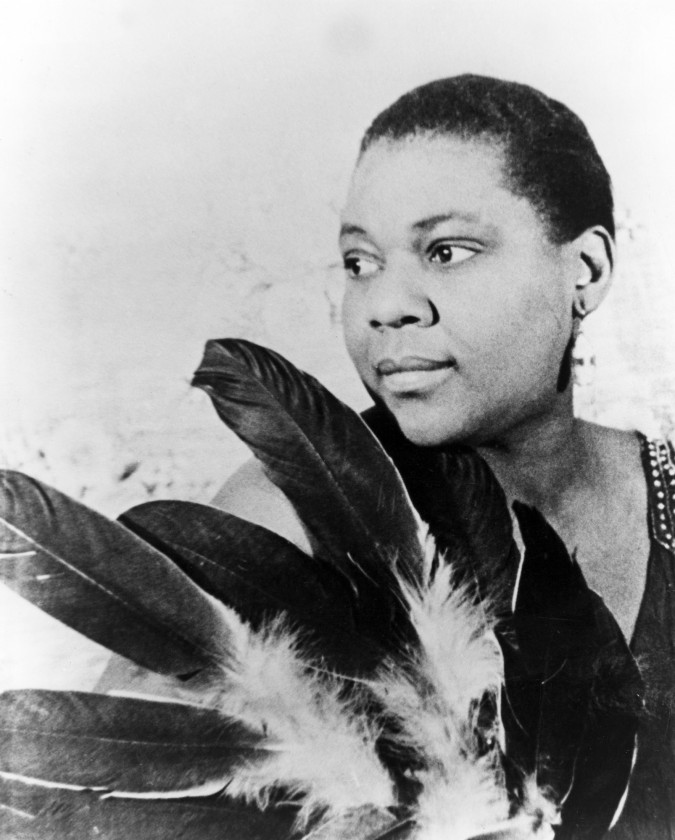
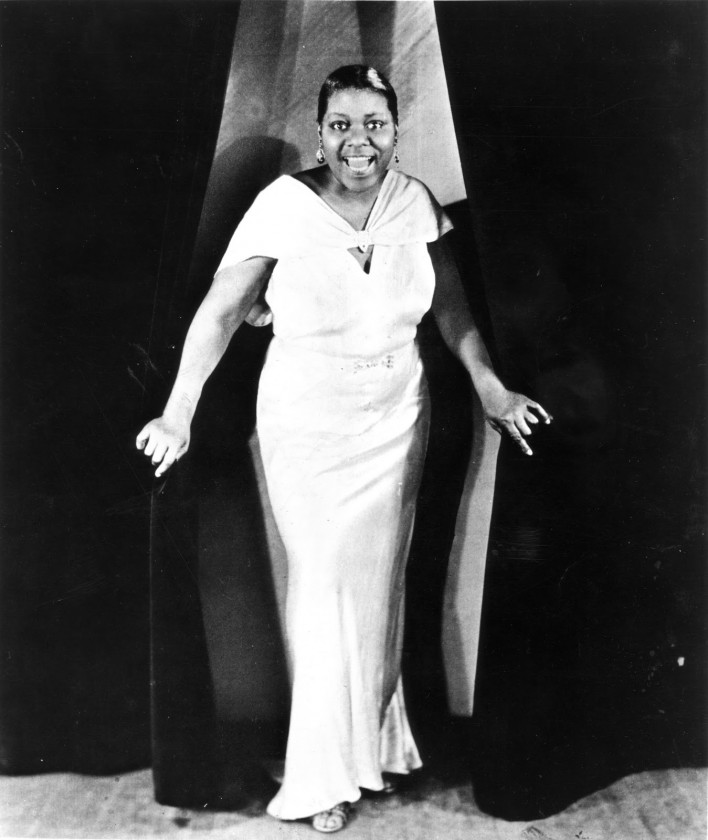
Today: Bessie Smith passed away in 1937 76 years ago

Bat027 Smith, Bessie


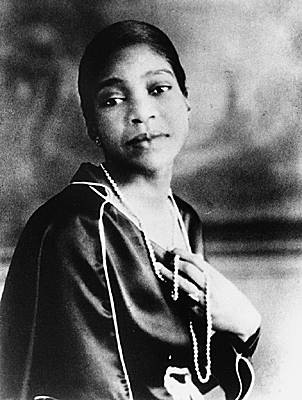
Bessie Smith
 (April 15, 1894 – September 26, 1937) was an American blues singer.

Nicknamed The Empress of the Blues, Smith was the most popular female blues singer of the 1920s and 1930s. She is often regarded as one of the greatest singers of her era and, along with Louis Armstrong, a major influence on later jazz vocalists.

09_Bessie_Smith

She scored a big hit with her first release, a coupling of “Gulf Coast Blues” and “Downhearted Blues”, which its composer Alberta Hunter had already turned into a hit on the Paramount label. Smith became a headliner on the black T.O.B.A. circuit and rose to become its top attraction in the 1920s. Working a heavy theater schedule during the winter months and doing tent tours the rest of the year (eventually traveling in her own railroad car), Smith became the highest-paid black entertainer of her day. Columbia nicknamed her “Queen of the Blues,” but a PR-minded press soon upgraded her title to “Empress”.

Smith was gifted with a powerfully strong voice that recorded very well from her first record, made during the time when recordings were made acoustically. With the coming of electrical recording (circa 1925), the sheer power of her voice was even more clear.

She made 160 recordings for Columbia, often accompanied by the finest musicians of the day, most notably Louis Armstrong, Coleman Hawkins, Fletcher Henderson, James P. Johnson, Joe Smith, and Charlie Green.

Selective awards and recognitions:

Grammy Hall of Fame
Recordings of Bessie Smith were inducted into the Grammy Hall of Fame. This special Grammy Award was established in 1973 to honor recordings that are at least 25 years old and that have “qualitative or historical significance.”

Bessie Smith: Grammy Hall of Fame Award
Year Recorded Title Genre Label Year Inducted
1923 “Downhearted Blues” Blues (Single) Columbia 2006
1925 “St. Louis Blues” Jazz (Single) Columbia 1993
1928 “Empty Bed Blues” Blues (Single) Columbia 1983

National Recording Registry

In 2002 Smith’s recording of the single, “Downhearted Blues”, was included by the National Recording Preservation Board in the Library of Congress’ National Recording Registry. The board selects songs on an annual basis that are “culturally, historically, or aesthetically significant.”

“Downhearted Blues” was included in the list of Songs of the Century by the Recording Industry of America and the National Endowment for the Arts in 2001. It is in the Rock and Roll Hall of Fame as one of the 500 songs that shaped rock ‘n’ roll.

Inductions

Year Inducted Category Notes
2008 Nesuhi Ertegun Jazz Hall of Fame Jazz at Lincoln Center, NYC
1989 Grammy Lifetime Achievement Award
1989 Rock and Roll Hall of Fame “Early influences”
1981 Big Band and Jazz Hall of Fame
1980 Blues Hall of Fame

St. Louis Blues (1929):

Baby Won’t You Please Come Home (1923):

Album of the day – The Essential Bessie Smith (1997):

Other September 25:

Continue reading Today: Bessie Smith passed away in 1937 76 years ago