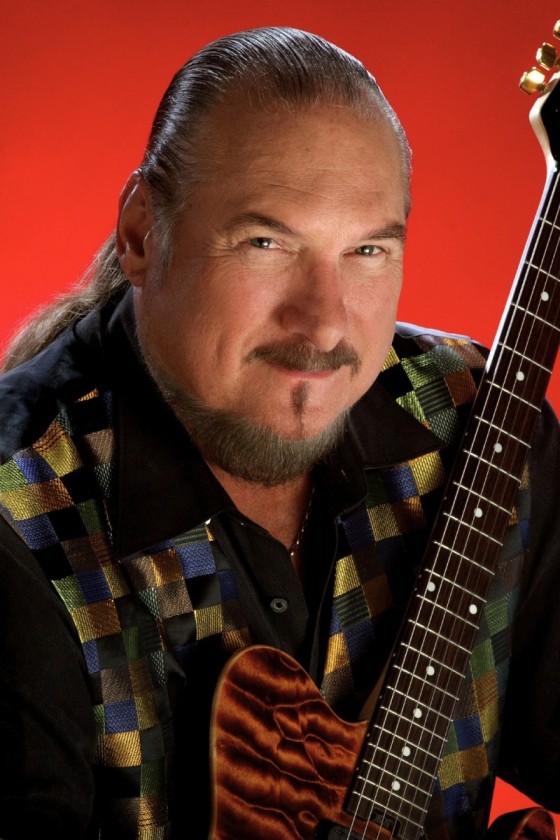
Sure, I’ve always dug Steve Cropper… his guitar playing. Ever since the first Booker T. record. I heard that back in the Midwest. Yeah, everybody was playing like him.
~Bob Dylan (to Jann Wenner, 29 Nov. 1969)
Memphis is in a very lucky position on the map. Everything just gravitated to Memphis for years.
~Steve Cropper
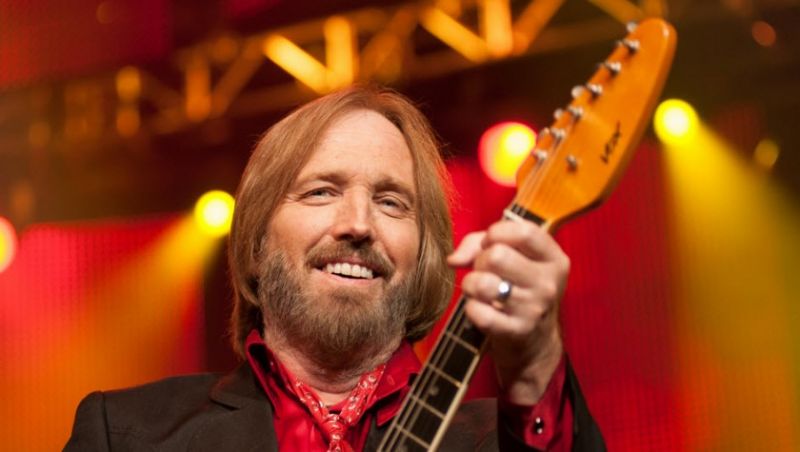
“I remember playing shows [with Tom Petty & the Heartbreakers in the ‘80s] and looking out [thinking] I didn’t have that many fans coming to see me,” he says. “They were coming to see Tom Petty & the Heartbreakers.”
~Bob Dylan (to Robert Hilburn, December 1997)
“Well I won’t back down No I won’t back down You can stand me up at the gates of hell But I won’t back down”
~Tom Petty (I won’t back down)
“The song is the thing that matters. Before I can record, I have to hear it, sing it, and know that I can make it feel like my own, or it won’t work. I worked on these songs until I felt like they were my own.”
Released
October 17, 2000
Genre
Country, americana
Length
42:15
Label
American Recordings
Producer
John Carter Cash, Rick Rubin
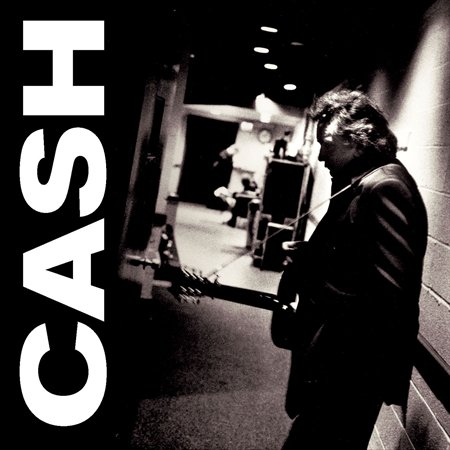
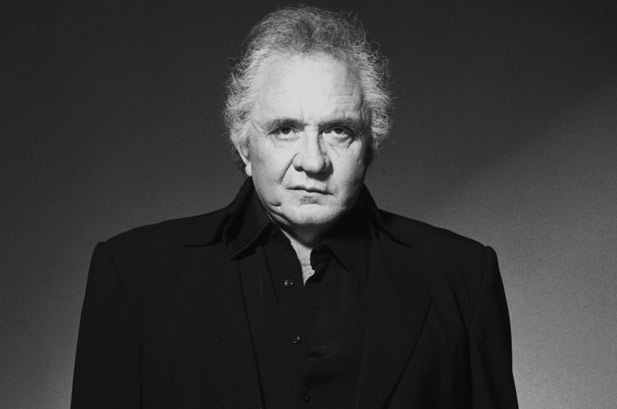
American III: Solitary Man is the third album in the American series by Johnny Cash released in 2000 (and his 85th overall album). The album was notable for being Cash’s highest charting (#11 Country) solo studio LP since his 1976 One Piece at a Time, an album that reached No. 2 Country based on the title cut. To the present day, Cash’s studio albums for American have continued to sell & chart extremely well, as evidenced by the platinum #22 POP, #2 C&W American IV: The Man Comes Around (released one year before his death) and the gold, #1 on both charts, American V: A Hundred Highways.
I see a darkness (with guest Will Oldham, the composer of the song):
Between Unchained and Solitary Man, Cash’s health declined due to various ailments, and he was even hospitalized for pneumonia. His illness forced Cash to curtail his touring. The album American III: Solitary Man contained Cash’s response to his illness, typified by a version of Tom Petty’s “I Won’t Back Down”, as well as a version of U2’s “One”.
One (so much better than any other versions!):
American III: Solitary Man, just like Cash’s two previous albums produced by Rick Rubin, was a Grammy winner, taking home the award for Best Male Country Vocal Performance for Cash’s version of the Neil Diamond classic “Solitary Man”. Cash continued to receive critical appreciation for his American series of albums—on aggregate review site Metacritic.com the third album in Cash’s American series received a score of 80 (despite middling reviews from publications such as L.A. Weekly and Rolling Stone magazine) (from Wikipedia)
Track listing:
I Wont Back Down
Solitary Man
That Lucky Old Sun
One
Nobody
I See A Darkness
The Mercy Seat
Would You Lay With Me (In A Field Of Stone)
Field Of Diamonds
Before My Time
Country Trash
Mary Of The Wild Moor
I’m Leavin’ Now
Wayfaring Stranger
“You can stand me up at the gates of hell/ But I won’t back down”
But American III‘s high point is its two-song centerpiece. The first is Will Oldham’s “I See a Darkness”, on which it becomes clear that, perhaps because of his neurological disorder, Cash’s voice isn’t as sure and strong as it once was. When he quavers, with Oldham singing backup, “Is there hope that somehow you can save me from this darkness?” the effect is absolutely devastating. You won’t listen to the song the same after this. The shivers will eventually leave your spine, but the residue remains.
The Mercy Seat:
That song’s transcendent power also stems from its production, which, although still sparse, is relatively lush. The organ and piano that rise to match the guitar remain in use for Nick Cave’s “The Mercy Seat”. Chronicling the first-person thoughts of a man being executed, this song, more than any other on the album, was written for Cash. Building to a rumbling crescendo, he belts out, “And the mercy seat is smokin’/ And I think my head is meltin’.” This would’ve brought even Gary Gilmore to tears.
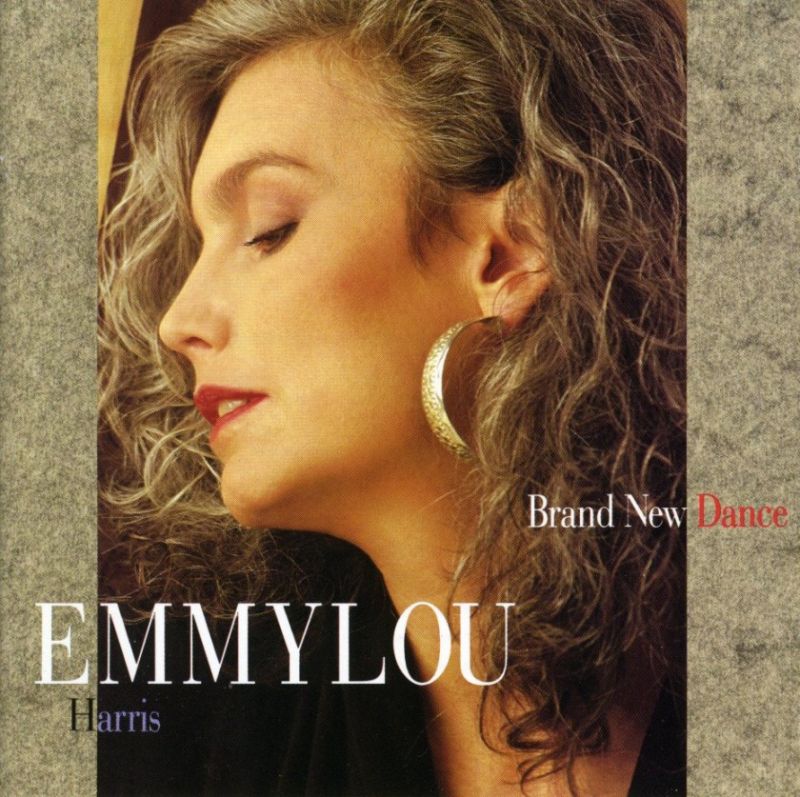
Brand New Dance was an album which Emmylou Harris released on October 16, 1990. Produced by Richard Bennett and Allan Reynolds, the album mixed a rather eclectic collection of covers, including Bruce Springsteen’s “Tougher Than the Rest”, and Dave Mallett’s “Red, Red Rose”. Though it sold reasonably well, it was Harris’ first studio album in fifteen years to yield no top forty country singles, and marked the beginning of a commercial decline for the singer, which would ultimately lead her to redirect her music away from mainstream country, a few years later.
It was one of my first conscious country music buys, with that I mean that before I had just listened to my fathers record collection when playing country (or radio). This was a big step for me, I had bought country-rock albums and rock albums with country elements, but this was pure country. I still love the album, it has a very special place in my musical upbringing.
…and I think it has one of the best covers of Springsteen’s Tougher than the rest (audio):
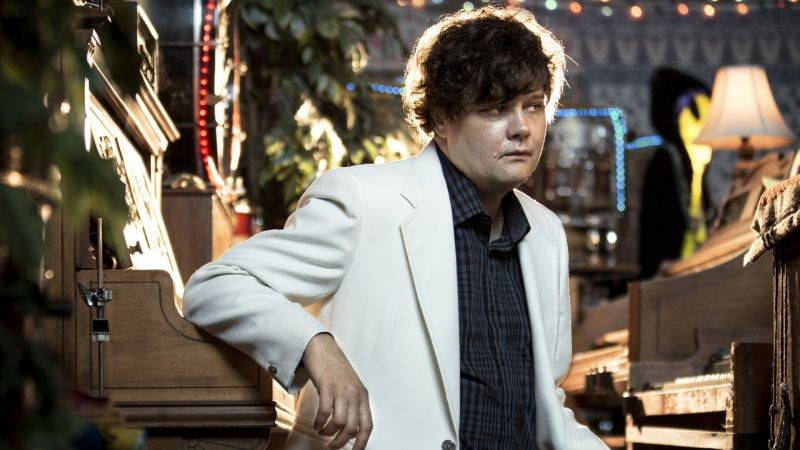
Ronald Eldon “Ron” Sexsmith (born 8 January 1964) is a Canadian singer-songwriter from St. Catharines, Ontario.Sexsmith started his own band when he was 14 years old and released recordings of his own material in 1985 at age 21. He was the subject of a 2010 documentary called Love Shines.
We really like Ron Sexsmith here at Alldylan, and Ron really knows how to sing Bob Dylan’s songs. He has a great YouTube series where he covers a lot of artists, he picks songs across a many genres. He has done a lot of Bob Dylan songs, I’ve picked 5 more favourites.