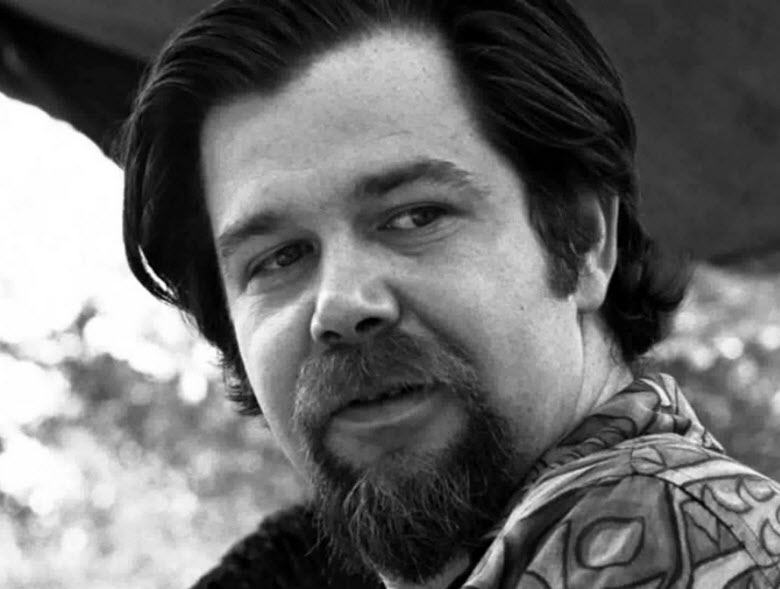
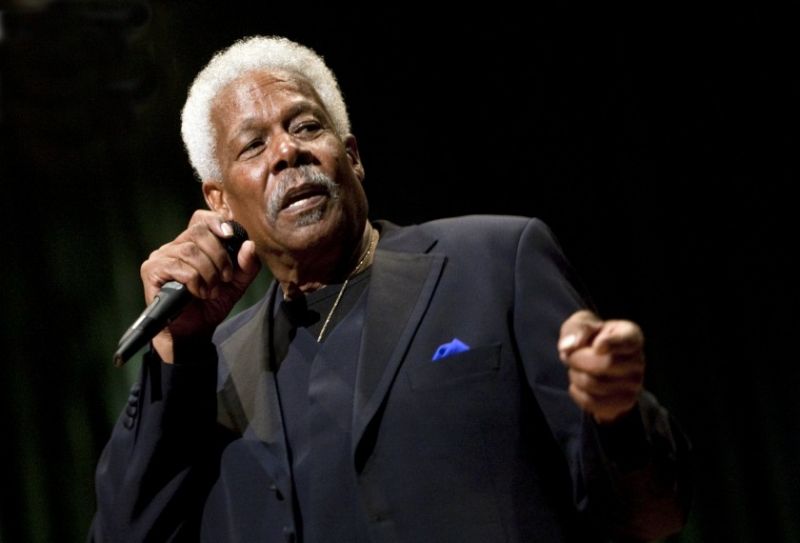
Van Ronk could howl and whisper, turn blues into ballads and ballads into blues. I loved his style. He was what the city was all about. In Greenwich Village, Van Ronk was king of the street, he reigned supreme.
~Bob Dylan (Chronicles vol.1)
He was gruff, a mass of bristling hair, don’t give a damn attitude, a confident hunter.
~Bob Dylan (Chronicles vol.1)
Guitarist, singer, songwriter, and native New Yorker Dave Van Ronk inspired, aided, and promoted the careers of numerous singer/songwriters who came up in the blues tradition. Most notable of the many musicians he helped over the years was Bob Dylan, whom Van Ronk got to know shortly after Dylan moved to New York in 1961 to pursue a life as a folk/blues singer. Van Ronk’s recorded output was healthy, but he was never as prolific a songwriter as some of his friends from that era, like Dylan or Tom Paxton. Instead, Van Ronk’s genius was derived from his flawless execution and rearranging of classic acoustic blues tunes.
~Richard Skelly (allmusic.com)
“Green Green Rocky Road” (from the DVD “Dave Van Ronk Memories”)
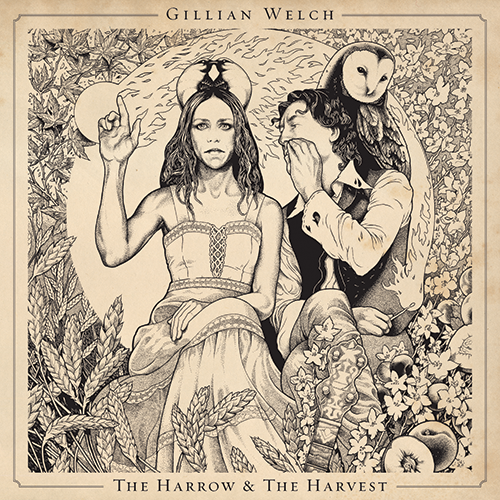
June 28: Gillian Welch released The Harrow & The Harvest in 2011
The Harrow & the Harvest is stunning for its intimacy, its lack of studio artifice, its warmth and its timeless, if hard won, songcraft.
~Thom Jurek (allmusic.com)
The Harrow & The Harvest is simply one of the richest, most expansive roots albums to be released in some time.
~Douglas Heselgrave (pastemagazine.com)
This is powerful music and belongs in any serious music fan’s library. You can’t own too much Muddy Waters. And even if you bought the Chess Box Set, only a third of these tracks were included. ESSENTIAL
~Steve Vrana (amazon.com review)
Not just an essential historical record of an artist and genre, these are some of the most seminal and inspired blues performances ever recorded.
~Hal Horowitz (allmusic.com)
Down South Blues @ spotify:
Wikipedia:
Released
June 27, 2000
Recorded
1947-September 17, 1952 Chicago
Genre
Blues
Length
153:41
Label
MCA/Chess
Producer
Leonard & Phil Chess, Andy McKaie
Compiler
Andy McKaie
Who’s Gonna Be Your Sweet Man When I’m Gone:
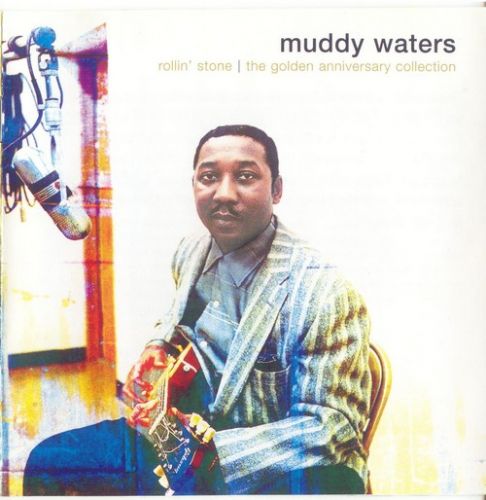
Rollin’ Stone: The Golden Anniversary Collection is a compilation album collecting the first 50 master recordings of blues singer Muddy Waters for Chess Records. The collection spans Muddy’s debut with then named Aristocrat Records circa 1947, and traces his evolution as a songwriter and musician up to September 17th, 1952 on what became Chess Records after the company changed ownership. It is the first in a series of releases chronicling Muddy Waters’ complete recording career at Chess. The second release in the series is Hoochie Coochie Man: The Complete Chess Masters, Volume 2, 1952-1958 (2004) and the third release in the series is You Shook Me: The Complete Chess Masters, Volume 3, 1958 to 1963 (2012).
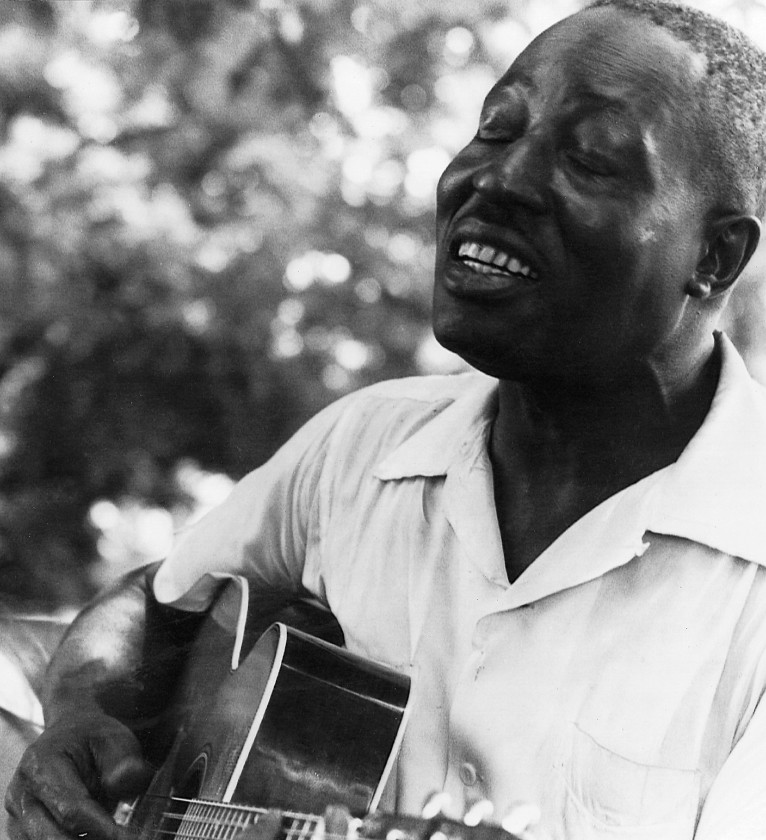
I guess all songs is folk songs. I never heard no horse sing ’em.
~Big Bill Broonzy
Blues is a natural fact, is something that a fellow lives. If you don’t live it you don’t have it. Young people have forgotten to cry the blues. Now they talk and get lawyers and things.
~Big Bill Broonzy
“Worried Man Blues,” “Hey, Hey” and “How You Want It Done.” From the DVD “A Musical Journey”:
He was known for his rendition of “When Did You Leave Heaven?” which Bob Dylan recorded in 1988, and wrote “Key To The Highway” which Bob Dylan performed at The Edge in September 1995.
OLD post … You’re being redirected to a newer version……
.. a workmanlike singer and a very accomplished songwriter, who showed occasional flashes of brilliance.
~The Rough Guide to Soul and R&B
“…I’d had nothing directly to do with Motown while I’d been in Detroit, I’d still been around a lotta their artists and seen from a distance how they did things. And so, when I eventually got to Memphis, I could see that it was pretty much the SAME – you know, musicians getting together producing music, with everybody in the same groove… So yeah, working at Stax was very easy, because everybody was open-minded. You know, Al and I first met (legendary MGs guitarist) Steve Cropper at the same time we met Jim Stewart. So what would happen is, Cropper and I would more or less go off to the hotel, sit down and talk about music – and BOOM, almost immediately we’d WRITE something! While Al Bell and Jim Stewart would go off and talk about music and BUSINESS… So yeah, that’s the way it started – and it just moved on from THERE! I later went on to write with Booker T., which was great too. You know, Stax was all about TEAM-work. Like if an artist was recording and needing backing singers, I’d go and sing on THEIR record, and in turn they’d sing on MINE! That’s just the way we DID things.”
– Eddie Floyd (Blues&Soul.com, issue 1067)