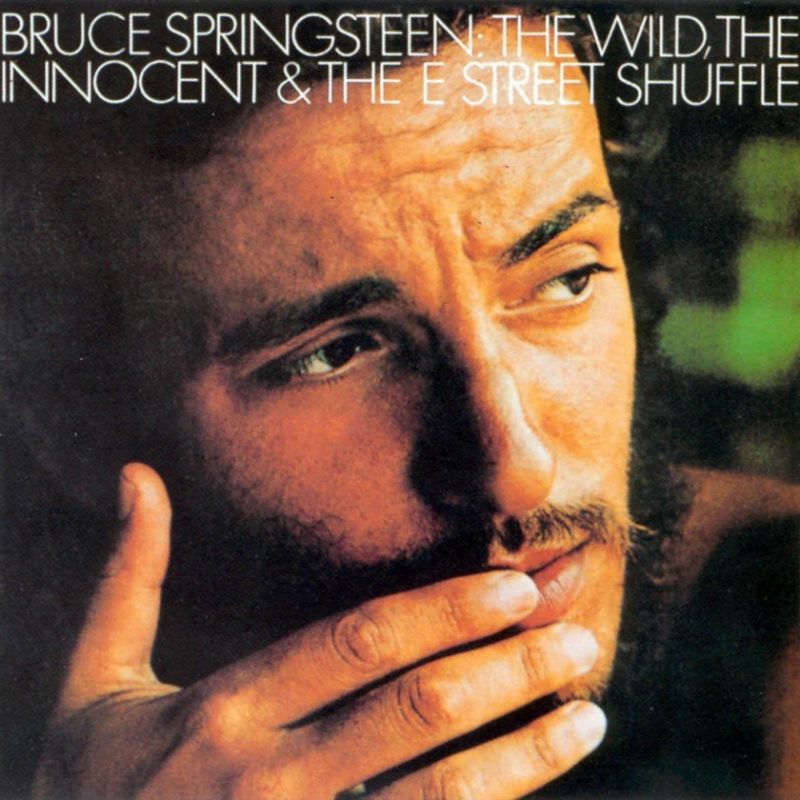
September 11: Bruce Springsteen released The Wild the Innocent and the E-street Shuffle in 1973
“…Springsteen is obviously a considerable new talent.”
– Ken Emerson (January 1974, Rolling Stone Magazine)

“…Springsteen is obviously a considerable new talent.”
– Ken Emerson (January 1974, Rolling Stone Magazine)
“To me, someone who writes really good songs is Randy Newman. There’s a lot of people who write good songs. As songs. Now Randy might not go out on stage and knock you out, or knock your socks off. And he’s not going to get people thrilled in the front row. He ain’t gonna do that. But he’s gonna write a better song than most people who can do it.
You know, he’s got that down to an art. Now Randy knows music. He knows music But it doesn’t get any better than “Louisiana” or “Cross Charleston Bay” [“Sail Away”]. It doesn’t get any better than that. It’s like a classically heroic anthem theme. He did it. There’s quite a few people who did it. Not that many people in Randy’s class.”
– Bob Dylan (1991)
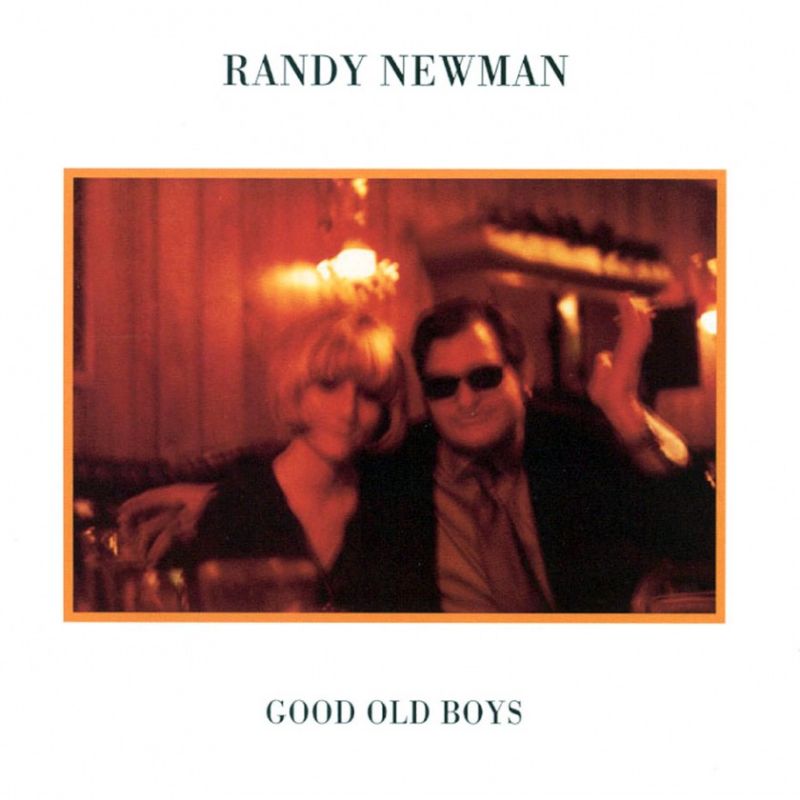
Good Old Boys is the fifth album by Randy Newman, released 10 September 1974 on Reprise Records. It peaked at #36 on the Billboard 200, Newman’s first album to obtain major commercial success. The premiere live performance of the album took place on October 5, 1974, at the Symphony Hall in Atlanta, Georgia, with guest Ry Cooder and Newman conducting the Atlanta Symphony Orchestra.
This is one of the best records about “The South” that has ever been made. Randy Newman is cruel but, oh, so witty.
Mark Demming (Allmusic.com):
“ The album’s scabrous opening cut, “Rednecks,” is guaranteed to offend practically anyone with its tale of a slow-witted, willfully (and proudly) ignorant Southerner obsessed with “keeping the n—–s down.” “A Wedding in Cherokee County” is more polite but hardly less mean-spirited, in which an impotent hick marries a circus freak; if the song’s melody and arrangement weren’t so skillful, it would be hard to imagine anyone bothering with this musical geek show.
…
Good Old Boys is one of Newman’s finest albums; it’s also one of his most provocative and infuriating, and that’s probably just the way he wanted it. “
Rednecks:
Continue reading September 10: Randy Newman released Good Old Boys in 1974
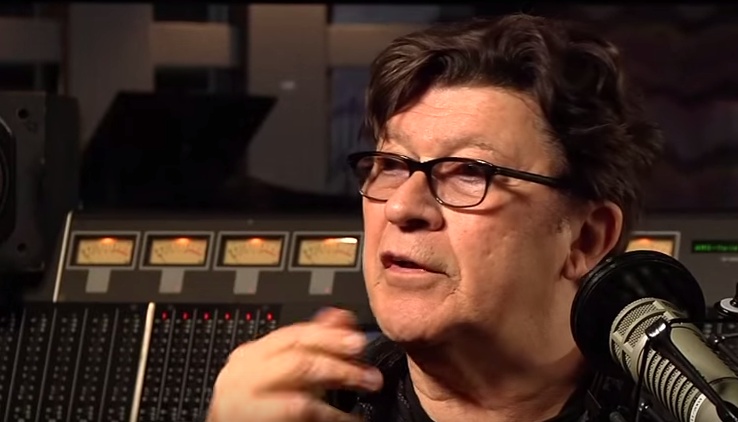
Robbie Robertson talks about recommending Otis Redding to cover Dylan’s “Just Like a Woman”, but it never came to be. Well, they did record it but he couldn’t sing the bridge (according to Mr. Robertson)…very interesting stuff!
On the commentary track included on the Criterion edition of the Monterey Pop film , D.A. Pennebaker said that he first saw Redding when Dylan took him to see Redding at the Whiskey on April 7th 1966.
Check out: September 9 – Otis Redding was born in 1941
Bob Dylan played some of Otis Redding’s songs on The Theme Time Radio Hour radio show: “Cigarettes and Coffee”, “I’ve Got Dreams to Remember”, and a “Stay in school” ad.
– Hallgeir
“it ain’t no sin, to take off your skin and dance around in your bones”
~Tom Waits
From Wikipedia:
| Released | September 8, 1992 |
|---|---|
| Recorded | Prairie Sun Recording, Cotati, California |
| Genre | Rock, experimental rock, blues rock |
| Length | 53:30 |
| Label | Island |
| Producer | Tom Waits |
Bone Machine is a critically acclaimed and award-winning album by Tom Waits, released in 1992 on Island Records. It won a Grammy Award for Best Alternative Music Album, and features guest appearances by Los Lobos’ David Hidalgo, Primus’ Les Claypool, and The Rolling Stones’ Keith Richards.
Bone Machine marked a return to studio material for Waits, coming a full five years after his previous studio album, Franks Wild Years (1987). The album is often noted for its dark lyrical themes of death and murder, and for its rough, stripped-down, percussion-heavy blues rock style.
Recording & production:
Bone Machine was recorded and produced entirely at the Prairie Sun Recording studios in Cotati, California in a room of Studio C known as “the Waits Room,” in the old cement hatchery rooms of the cellar of the buildings.
Mark “Mooka” Rennick, Prairie Sun studio chief said:
[Waits] gravitated toward these “echo” rooms and created the Bone Machine aural landscape. […] What we like about Tom is that he is a musicologist. And he has a tremendous ear. His talent is a national treasure.
Waits said of the bare-bones studio, “I found a great room to work in, it’s just a cement floor and a hot water heater. Okay, we’ll do it here. It’s got some good echo.” References to the recording environment and process were made in the field-recorded interview segments made for the promotional CD release, Bone Machine: The Operator’s Manual, which threaded together full studio tracks and conversation for a pre-recorded radio show format.
Artwork:
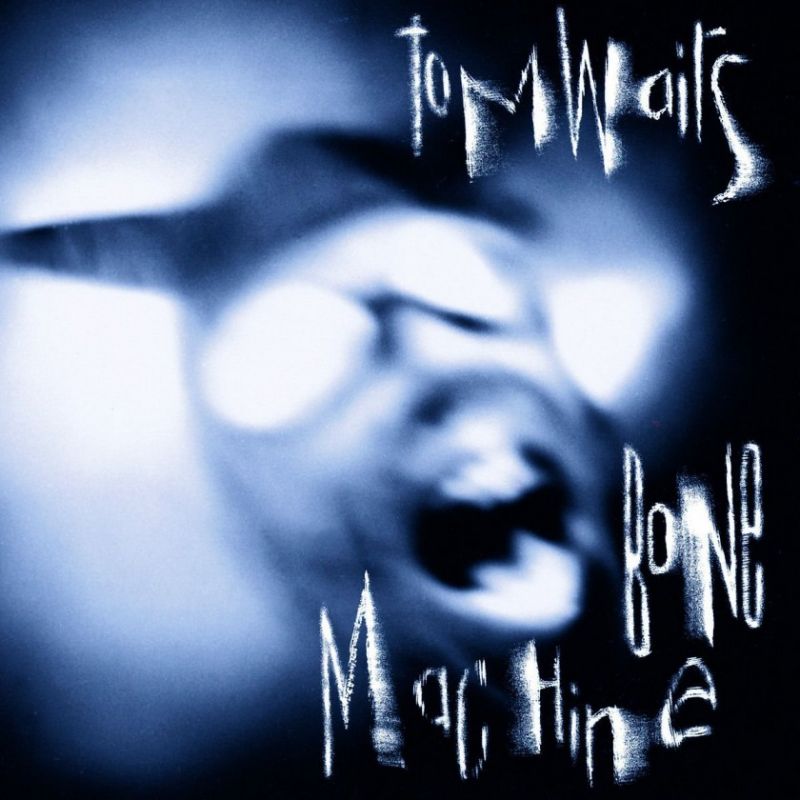
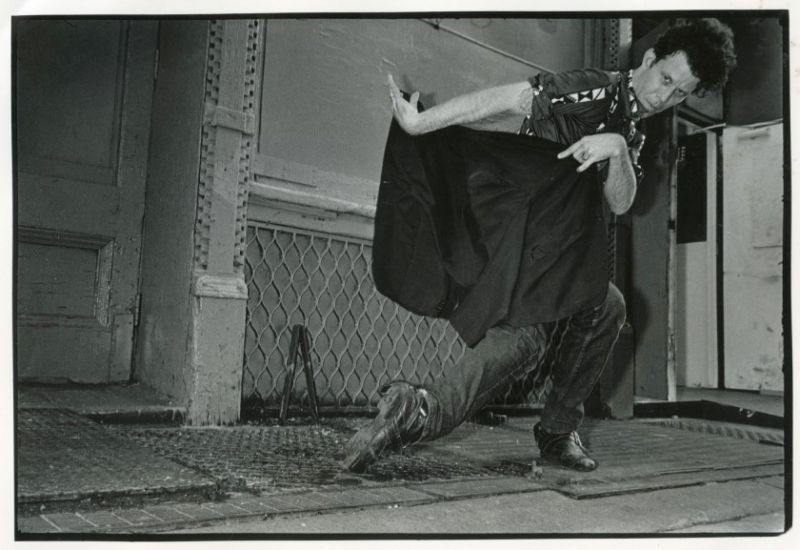
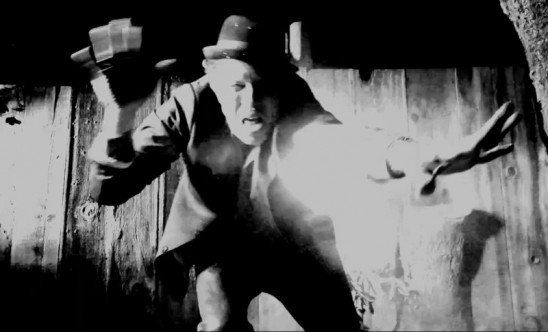
The cover photo, which consists of a blurred black-and-white, close-up image of Waits in a leather skullcap with horns and protective goggles, was taken by Jesse Dylan, the son of Bob Dylan. He wears this same outfit in the video for “Goin’ Out West” and “I Don’t Wanna Grow up”.
Continue reading September 8: Bone Machine by Tom Waits was released in 1992
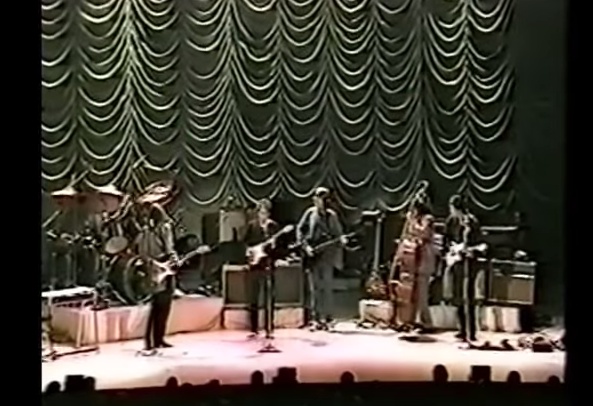
In the Dark is the 12th studio album by the Grateful Dead. It was recorded between January 6 and 13, 1987, and originally released on July 6, 1987.
In the Dark was the band’s first album in six years, and its first studio album since 1980’s Go to Heaven. It became unexpectedly popular, achieving double platinum certification in the U.S. It reached #6 on the Billboard 200 chart, the Grateful Dead’s only top ten album. It has the great song, West LA fadeaway.
Not Fade Away is a song credited to Buddy Holly (originally under his first and middle names, Charles Hardin) and Norman Petty (although Petty’s co-writing credit is most likely a formality) and first recorded by Holly’s band The Crickets.
It was released in 1957 as the b-side on the single O-boy.
Continue reading Bob Dylan covers Grateful Dead and Buddy Holly