Come you masters of war
You that build all the guns
You that build the death planes
You that build the big bombs
You that hide behind walls
You that hide behind desks
I just want you to know
I can see through your masks
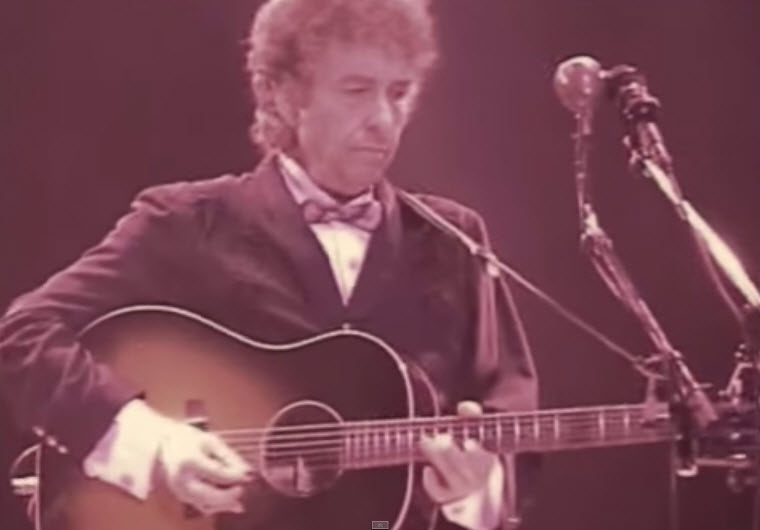
NYNEX Arena Manchester
Manchester, England
25 June 1998
Bob Dylan (vocal & guitar)
Bucky Baxter (pedal steel guitar & electric slide guitar)
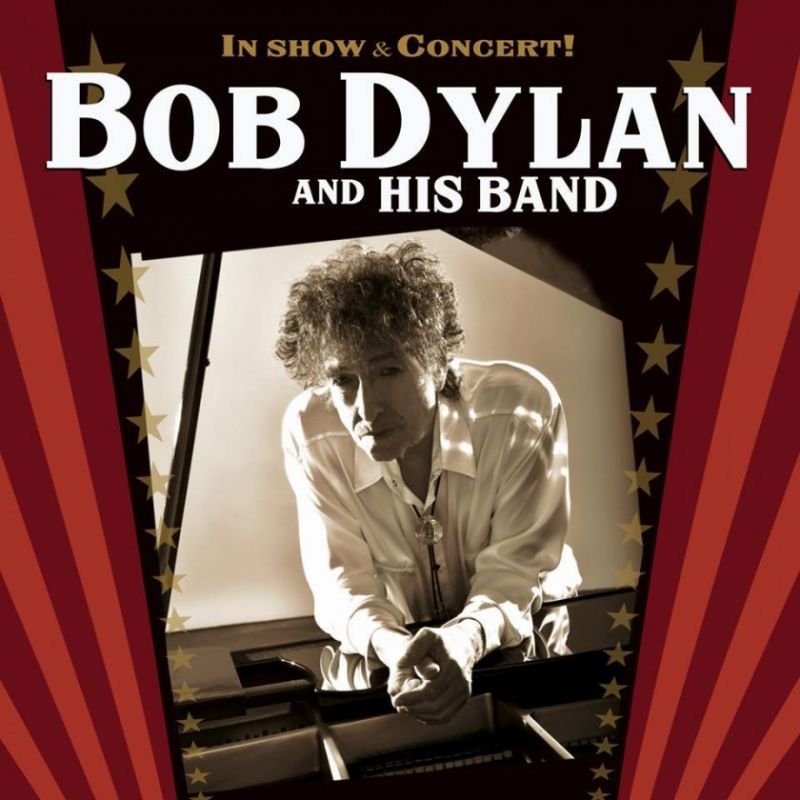
Posters and flyers are an integral part of promoting concerts and music festivals. A well-designed gig poster will help any band to look more cool and can help to generate interest for the artists and their show.
It started in the 60s with the psychedelic images of the hippie scene. It got a revival with DIY of the punk scene in the late 70s and there is a revival these days. What am I talking about? The Gig posters. The silk screen prints done in a limited number of prints and works of art in their own right, but also the mass-produced pr material used by big arena artists. The originality of these posters are sometimes more striking than the music itself.
Bob Dylan have always had nice gig posters, and they have gone through changes as the artist has changed from the 60s until today.
I’ve had about 140 albums released, and I’ve done everything I wanted to do.
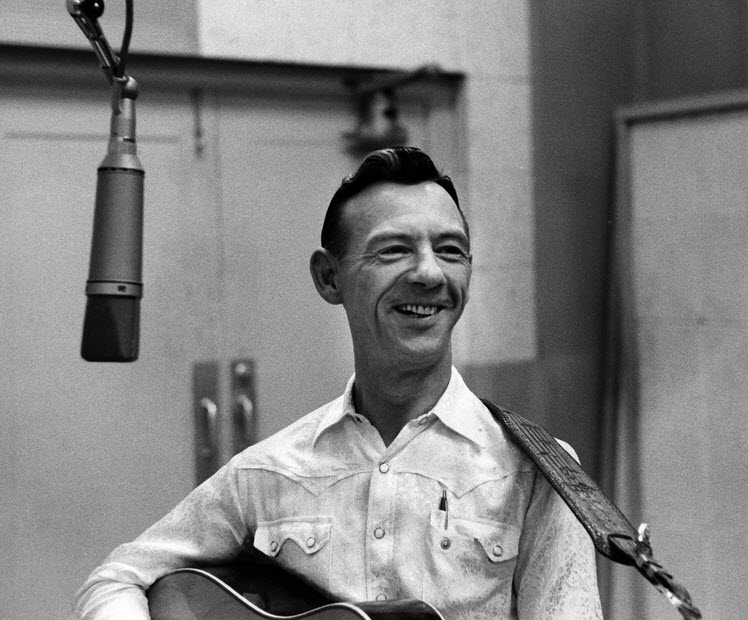
~Hank Snow
I’d always listened to Hank Snow.
~Bob Dylan (to Sam Shepard – Aug 1986)
Canada’s greatest contribution to country music, Hank Snow was famous for his “traveling” songs. It’s no wonder. At age 12 he ran away from his Nova Scotia home and joined the Merchant Marines, working as a cabin boy and laborer for four years.
~David Vinopal (allmusic.com)
Oh, six long years I’ve been in trouble, No pleasure here on earth I found. While in this world, I’m bound to ramble, I have no friends to help me out.
“Man of Constant Sorrow” (also known as “I Am a Man of Constant Sorrow“) is a traditional American folk song first recorded by Dick Burnett, a partially blind fiddler from Kentucky. The song was originally recorded by Burnett as “Farewell Song” printed in a Richard Burnett songbook, about 1913. An early version was recorded by Emry Arthur in 1928.
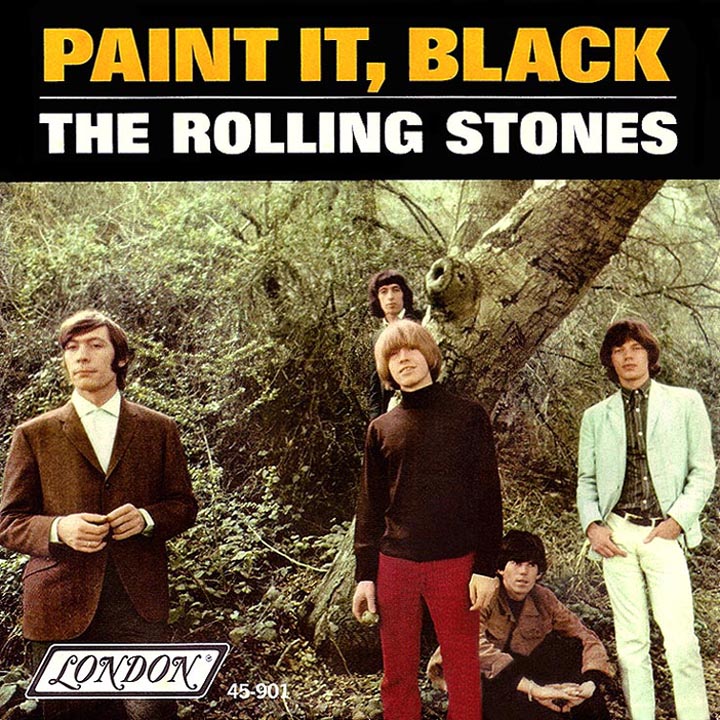
Brian Jones plucked the haunting sitar melody at the 1966 L.A. session for this classic. Bill Wyman added klezmer-flavored organ; studio legend Jack Nitzsche played the gypsy-style piano. “Brian had pretty much given up on the guitar by then,” said Richards. “If there was [another] instrument around, he had to be able to get something out of it. It gave the Stones on record a lot of different textures.”
~rollingstone.com
The principal riff of “Paint It Black” (almost all classic Rolling Stones songs are highlighted by a killer riff) was played on a sitar by Brian Jones and qualifies as perhaps the most effective use of the Indian instrument in a rock song. The exotic twang was a perfect match for the dark, mysterious Eastern-Indian melody, which sounded a little like a soundtrack to an Indian movie hijacked into hyperdrive.
~Richie Unterberger (allmusic.com)