“I’ll always be a rocker, but there’s nothing like a great country song and this is a well-written, great country song. My fans love it, too. They even sing the words along with me when we perform it live on stage.” – Wanda Jackson to NPR.org
Justin Townes Earle is the producer on rock’n roll queen, Wanda Jackson’s new album Unfinished Business. Wanda Jackson know how to pick’em, last year, Jack White and now, Justin Townes Earle. And the results are splendid!
Here’s the first video off the record, Am I even a memory? written by singer/songwriter honky-tonk revivalist Greg Garing. It’s a wonderful country ballad.
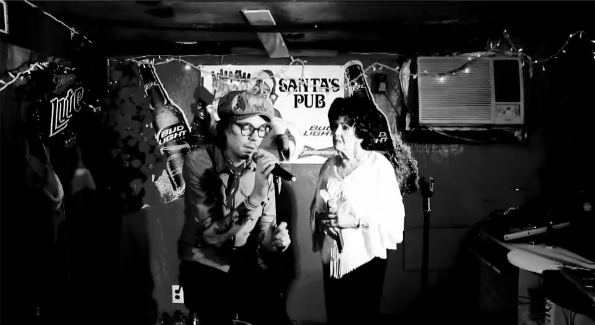
Director Seth Graves set the song’s video in the “trendy dive bar” Santa’s Pub in Nashville. He framed the singers’ interaction as two lives crossing for just a moment on the dive bar’s stage, as Earle mourns one lost love (played by Mindy White, singer for the band States), and Jackson beckons toward another.
“Frankly … it’s a breakup song … sung between a 74-year-old woman and a 30-year-old man,” wrote Graves. “I’m no champion for social norms, but the Kid Rock/Sheryl Crow approach (the back and forth literal approach) seemed like it could potentially come off weird if taken literally. Not weird in a good way, anyway. That’s not the kind of video I wanted to make. It seemed necessary, inspiring and way more interesting to find a way to create and use images that would give them each a different take on the song. So. I just thought of two lonely people, singing the same song for different reasons.”
Booker T. Washington “Bukka” White (November 12, 1906– February 26, 1977) was a delta blues guitarist and singer born in Aberdeen, Mississippi. Even though he didn’t like the spelling “Bukka”, he was best known by that name. “Bukka” was not a nickname, but a phonetic misspelling of White’s given name Booker, by his second (1937) record label (Vocalion).
He is also known for giving his more famous cousin B.B. King his first guitar, a Stella.
A selection of “Bukka” White performances part 1:
White started his career playing fiddle at square dances. He met Charley Patton early on, although some doubt has been cast upon this; regardless, Patton was a large influence on White. He typically played slide guitar, in an open tuning. He was one of the few, along with Skip James, to use a crossnote tuning in Em, which he may have learned, as James did, from Henry Stuckey. (Lastfm)
A selection of “Bukka” White performances part 2:
Booker T. Washington “Bukka” White was active from the 30s all up to the mid 70s (he died in 1977).
Allmusic.com
by Uncle Dave Lewis
Blues purists will tell you that nothing Bukka White recorded after 1940 is ultimately worth listening to. This isn’t accurate, nor fair. White was an incredibly compelling performer who gave up of more of himself in his work than many artists in any musical discipline. The Sky Songs albums for Arhoolie are an eminently rewarding document of Bukka’s charm and candor, particularly in the long monologue “Mixed Water.” “Big Daddy,” recorded in 1974 for Arnold S. Caplin’s Biograph label, likewise is a classic of its kind and should not be neglected.
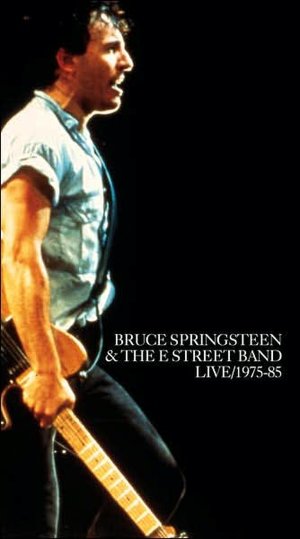
It’s not enough. By anyone else’s standards, of course, Bruce Springsteen & the E Street Band Live/1975-85 is an embarrassment of riches — five albums and ten years’ worth of barroom, hockey-arena and baseball-stadium dynamite; greatest hits, ace covers, love songs, work songs, out-of-work songs — the ultimate rock-concert experience of the past decade finally packaged for living-room consumption, a special gift of thanks to the fans who shared those 1001 nights of stomp & sweat and the best possible consolation prize for the poor bastards who could never get tickets.
~David Fricke – rollingstone.com
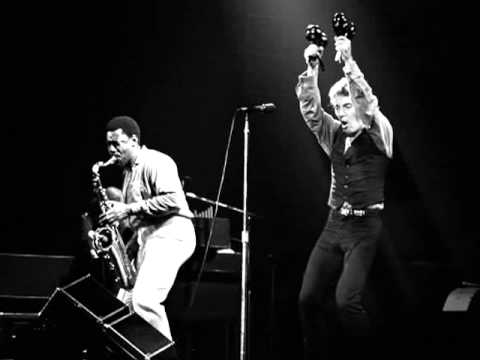
“Thunder Road” – October 18, 1975 at The Roxy Theatre:
Live/1975–85 is a live album by Bruce Springsteen & the E Street Band. It consists of 40 tracks recorded at various concerts between 1975 and 1985. It was released as a box set with either five vinyl records, three cassettes, or three CDs. There was also a record club only release which came on three 8-track cartridges, which is extremely hard to find.
Spirit in the Night – July 7, 1978 at The Roxy Theatre:
Springsteen’s long-awaited and highly-anticipated live album generated advance orders of more than 1.5 million copies, making it the largest dollar-volume pre-order in the history of the record business at the time.Record stores around the country found fans waiting in line on Monday morning before opening and one New York store reportedly sold the album right off the back of the delivery truck. The album debuted at #1 on the Billboard album chart, a rare occurrence that hadn’t happened in ten years since Stevie Wonder‘s Songs in the Key of Life in 1976.
Rosalita (Come Out Tonight) – (again) – July 7, 1978 at The Roxy Theatre:
Not surprising, given Springsteen’s reputation as a live performer and the sheer scope of the 40-song set, most reviews were overwhelmingly positive. There were, however, a few critics that felt the album could have been better, citing the omission of several concert highlights such as Springsteen’s live rendition of “Prove It All Night” and his rousing cover of John Fogerty’s “Who’ll Stop the Rain”, among others.
—
..I need to address this issue of leaving out a 78-version of “Prove It All Night”. This is a tragedy.. it’s alright for those of us collecting bootleg concerts… and thus having heard the 78-version countless times, but what about the rest ? IMO Bruce made a real bad judgement…
So I really need to include a brilliant version in this post:
Prove it all Night – Capitol Theatre, Passaic, NJ. 19-9-1978:
–
But.. back to “Live/1975-85”.. Here is the brilliant “The River” w/rap:
The River – September 30, 1985 at the LA Coliseum:
Let’s close the “youtubes” with Badlands..
Badlands – November 5, 1980 at Arizona State University, the night after the election of Ronald Reagan to the United States presidency:
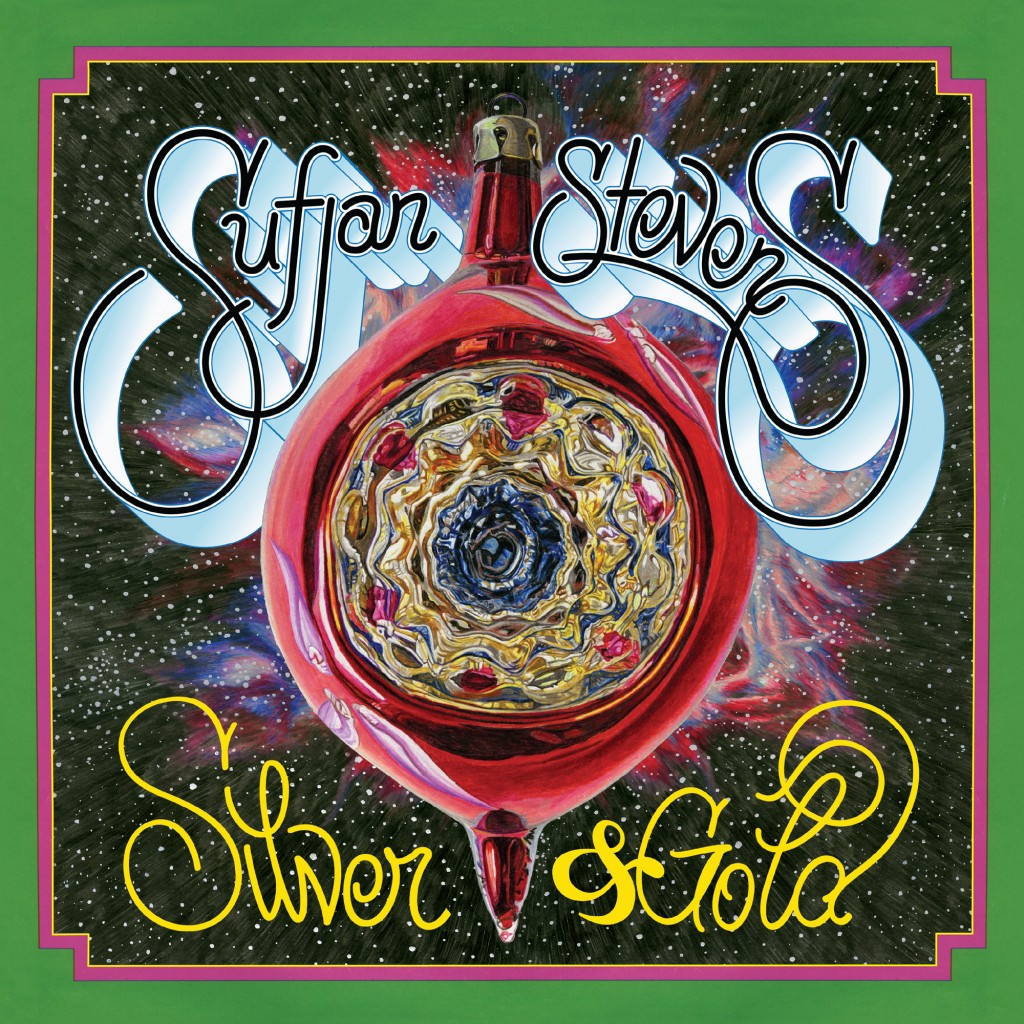
Now, we get another one (via Paste), and it’s safe to say that it is something different. The Title track of the compilation is a cover of an old Johnny Marks Christmas song, it is a nostalgic 8mm home movie style film with footage of Sufjan’s nephew Gavin running on a beach, playing with a kite. It’s a lovely video. The lyrics are in stark contrast to the pictures.
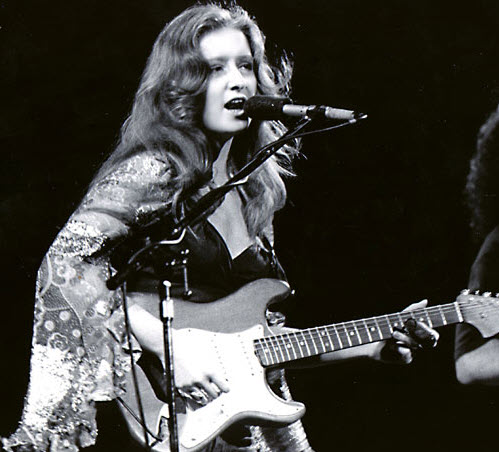
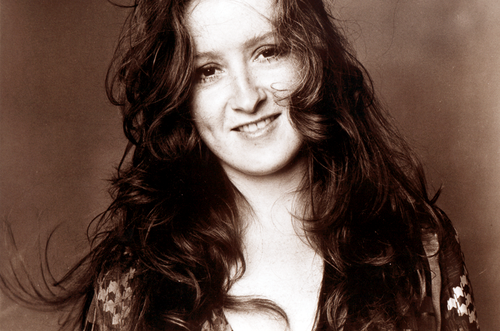
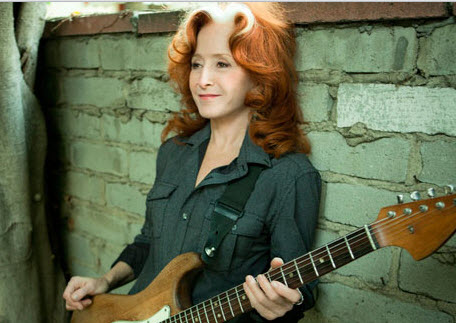
Bonnie Lynn Raitt (born November 8, 1949) is a renowned American blues singer-songwriter and slide guitar player. During the 1970s, Raitt released a series of acclaimed roots-influenced albums which incorporated elements of blues, rock, folk and country, but she is perhaps best known for her more commercially accessible recordings in the 1990s including “Nick of Time”, “Something to Talk About”, “Love Sneakin’ Up on You”, and the slow ballad “I Can’t Make You Love Me”. Raitt has received nine Grammy Awards in her career and is a lifelong political activist.
Maybe her best song… The beautiful “I Can’t Make You Love Me”:
“Bonnie Raitt does something with a lyric no one else can do; she bends it and twists it right into your heart.”
-Graeme Connors
After nearly 20 years, Bonnie Raitt achieved belated commercial success with her tenth album, Nick of Time. Released in the spring of 1989, Nick of Time went to the top of the U.S. charts following Raitt’s Grammy sweep in early 1990. This album has been voted number 230 in the Rolling Stone magazine list of 500 Greatest Albums Of All Time. Raitt herself pointed out that her 10th try was “my first sober album.”
In March 2000, Raitt was inducted into the Rock and Roll Hall of Fame in Cleveland, Ohio.
Bonnie Rait is listed at number 50 in the Rolling Stone magazine list of 100 Greatest Singers.
She is also listed at number 89 in the Rolling Stone list of 100 Greatest Guitarists.
Album of the day:
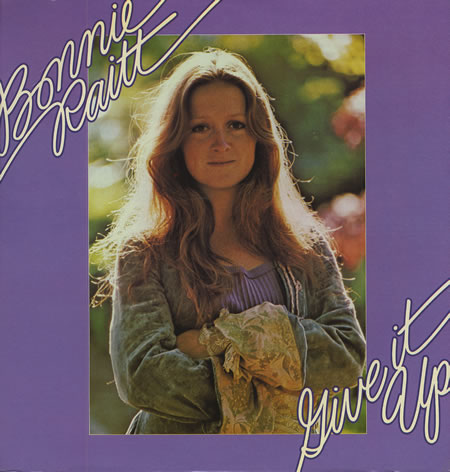
Give It Up (1972):
From allmusic.com – STE:
Bonnie Raitt may have switched producers for her second album Give It Up, hiring Michael Cuscuna, but she hasn’t switched her style, sticking with the thoroughly engaging blend of folk, blues, R&B, and Californian soft rock. If anything, she’s strengthened her formula here, making the divisions between the genres nearly indistinguishable. Take the title track, for instance. It opens with a bluesy acoustic guitar before kicking into a New Orleans brass band about halfway through — and the great thing about it is that Raitt makes the switch sound natural, even inevitable, never forced. And that’s just the tip of the iceberg here, since Give It Up is filled with great songs, delivered in familiar, yet always surprising, ways by Raitt and her skilled band. For those that want to pigeonhole her as a white blues singer, she delivers the lovely “Nothing Seems to Matter,” a gentle mid-tempo number that’s as mellow as Linda Ronstadtand far more seductive. That’s the key to Give It Up: Yes, Raitt can be earthy and sexy, but she balances it with an inviting sensuality that makes the record glow. …read more over @ allmusic.com