I started writing poetry before I started writing songs. In my checkered college past I was a creative writing major at Long Beach State University, which had a great writing program, and that’s where I learned all the nuts and bolts that helped me out in songwriting. They forced us to write in traditional forms — sonnets, iambic pentameter — just so we could understand that writing wasn’t just splaying free verse all over the page. But then the more songs I wrote using all those poetic forms, the more my poetry become like prose, almost to the point of journalism…
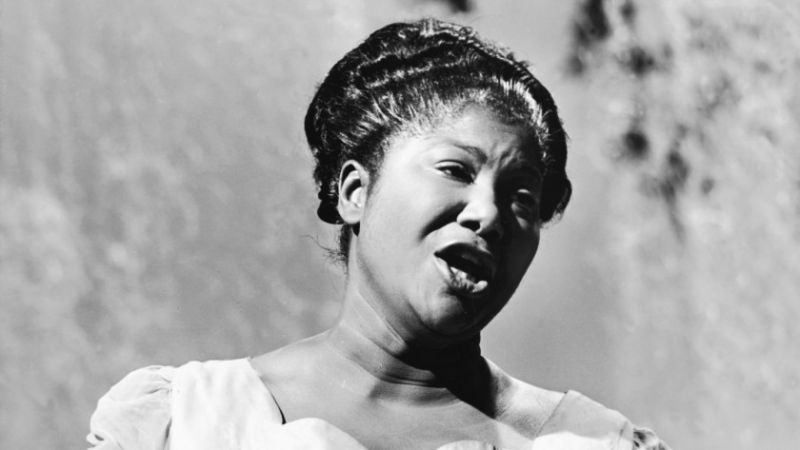
“I was there when all my favourites came up. My alltime favourite was a gospel singer…what was her name? Oh yeah, Mahalia Jackson. Oh I love her.”
– Charles Bradley (Johannasvisions, 2012)
Blues are the songs of despair, but gospel songs are the songs of hope.
~Mahalia Jackson
I close my eyes when I sing so I can feel the song better.
~Mahalia Jackson
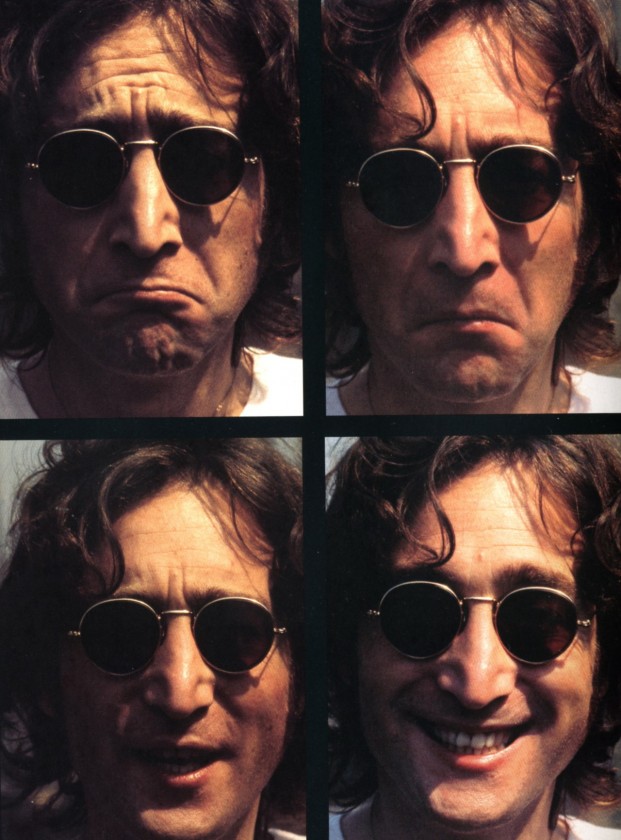
“Life is what happens to you while you’re busy making other plans.” ― John Lennon
“When I was 5 years old, my mother always told me that happiness was the key to life. When I went to school, they asked me what I wanted to be when I grew up. I wrote down ‘happy’. They told me I didn’t understand the assignment, and I told them they didn’t understand life.” ― John Lennon
Paul McCartney inducts John Lennon into the Rock and Roll Hall of Fame in a very touching way:
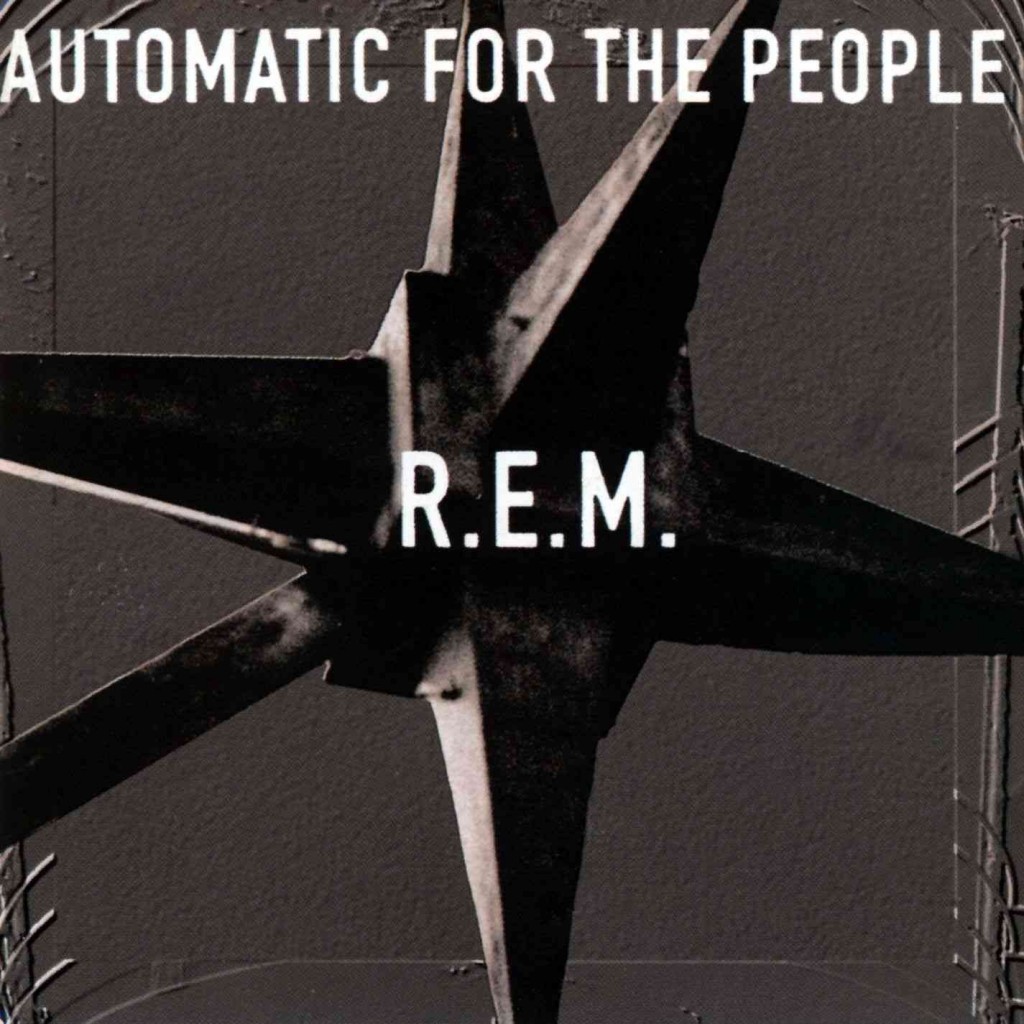
Automatic for the People is the eighth album by R.E.M., released in 1992 on Warner Bros. Records. Upon release, it reached number two on the U.S. album charts and yielded six singles. The album has sold 18 million copies worldwide and is widely considered one of the best records released in the 1990s. It was released 10 years after their debut in 1982.
“Turning away from the sweet pop of Out of Time, R.E.M. created a haunting, melancholy masterpiece with Automatic for the People. At its core, the album is a collection of folk songs about aging, death, and loss, but the music has a grand, epic sweep provided by layers of lush strings, interweaving acoustic instruments, and shimmering keyboards. Automatic for the People captures the group at a crossroads, as they moved from cult heroes to elder statesmen, and the album is a graceful transition into their new status.”
– Stephen Thomas Erlewine (Allmusic)