the only known picture of BLJ, and it is heavily retouched, with a fake tie painted in by hand
Country blues guitarist and vocalist Blind Lemon Jefferson is indisputably one of the main figures in country blues. He was of the highest in many regards, being one of the founders of Texas blues (along with Texas Alexander), one of the most influential country bluesmen of all time, one of the most popular bluesmen of the 1920s, and the first truly commercially successful male blues performer.
~Joslyn Layne (allmusic.com)
“That Madison Square Gardens gig was the best music I enjoyed playing since the Cavern or even Hamburg… It was just the same kinda feeling when The Beatles used to really get into it”
– John Lennon
John Lennon Live in New York City 1972
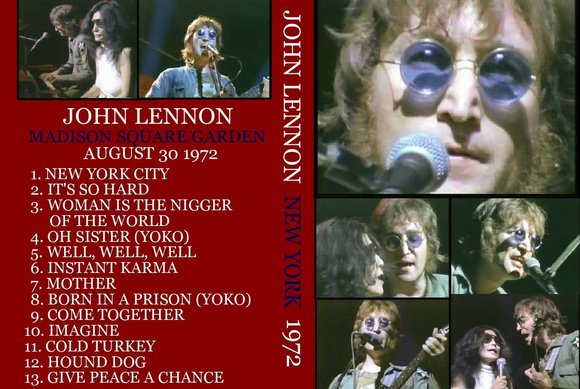
Two concerts took place, in the afternoon and evening of 30 August 1972 . John Lennon Live In New York City was released simultaneously as an album and video in 1986, with different performances from the two shows on each.
The Concerts were held to raise money for children with mental challenges at friend Geraldo Rivera’s request. Rivera introduces Lennon and Ono at the beginning of the album, and he is referenced in Lennon’s impromptu revised lyrics in the opening song, “New York City.”
The benefit concerts, billed as One to One, also featured other performers in addition to Lennon, including Stevie Wonder, Roberta Flack, Melanie Safka and Sha-Na-Na, although their performances are not included on this album, nor on the simultaneous video release.
Live in New York City captures John Lennon’s last full-length concert performance, coming right after the release of Some Time in New York City, which was a commercial failure in the United States. Perhaps as a result, Lennon’s stage talk, while humorous, is self-deprecating and slightly nervous in tone. Backing Lennon and Ono were Elephant’s Memory, who had served as Lennon and Ono’s backing band on Some Time in New York City. Although the material Lennon performed was largely drawn from his three most recent albums of the period (John Lennon/Plastic Ono Band, Imagine and Some Time in New York City), he also included in the set list his Beatles hit “Come Together” and paid tribute to Elvis Presley with “Hound Dog” before leading the audience in a sing along of “Give Peace a Chance”. “Come Together”, originally in the key of D minor, was performed in E minor.
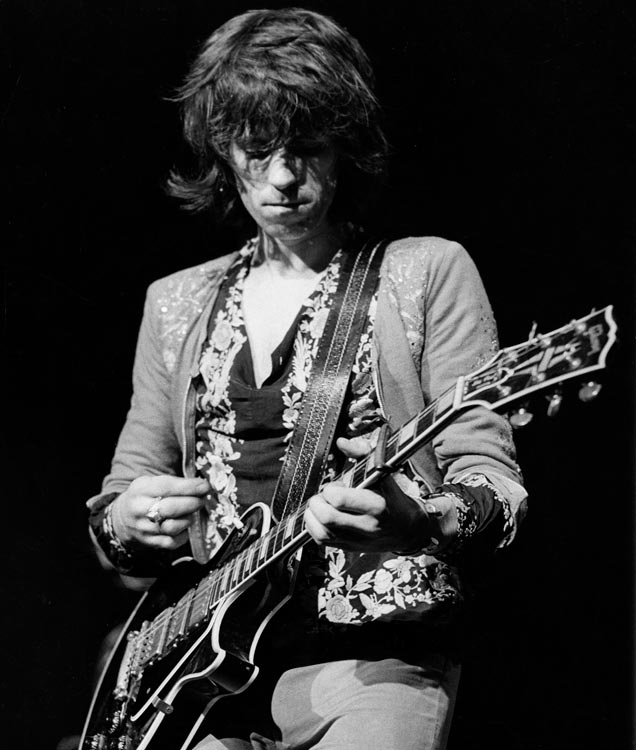
“Music is a language that doesn’t speak in particular words. It speaks in emotions, and if it’s in the bones, it’s in the bones.”
― Keith Richards
“When you are growing up there are two institutional places that affect you most powerfully: the church, which belongs to God, and the public library, which belongs to you.”
― Keith Richards
He’s acknowledged as perhaps the greatest rhythm guitarist in rock & roll, but Keith Richards is even more legendary for his near-miraculous ability to survive the most debauched excesses of the rock & roll lifestyle. His prodigious consumption of drugs and alcohol has been well documented, and would likely have destroyed anyone with a less amazing endurance level.
~Steve Huey (allmusic.com)
Well Nashville had country music but Memphis had the soul
Lord, the white boy had the rhythm and that started rock and roll
And I was here when it happened don’t you all think I ought to know
I was here when it happened, yeah, yeah, yeah
I watched Memphis give birth to rock and roll, Lord, lord yeah.
~Carl Perkins (Birth Of Rock And Roll)
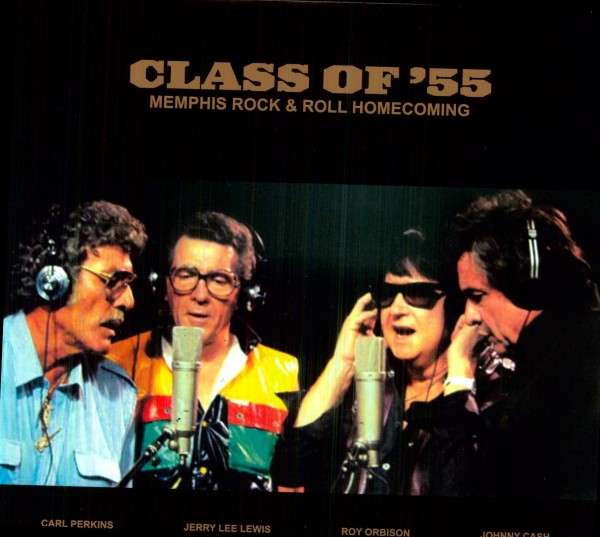
In the early years, when the King [Elvis Presley] and the Four Horsemen [Johnny Cash, Jerry Lee Lewis, Carl Perkins & Roy Orbison] reigned over American music, Memphis music was the life force of teenage rebellion. It influenced clothing styles, created movie idols, helped end a war in Vietnam, and eventually changed the politics of a nation unaccustomed to listening to the voices of youth. By 1985, three decades after that rebellion had been hatched in the tiny studio of Sam Phillip’s Sun Records, popular music had gone through many cycles, as had the artists who invented it, but seldom had the music, or the artists who created it, ever returned to it’s birthplace.
~James L. Dickerson (Goin’ Back to Memphis: A Century of Blues, Rock ‘n’ Roll, and Glorious Soul)
Johnny Cash (Lewis, Perkins & Orbison) – We Remember The King:
As the swift bird flies o’er the mountains
How we wished, we were there at its wings
No Sir, by far, to a friend, we have lost We remember the King
We remember (we remember the King)
We recall (we recall everything)
We will treasure all of the gifts, that he did bring
We remember the King
A lot of people relate me to the blues but I don’t think it’s a hindrance at this point. I’ve been doing it long enough that I can do different things and be accepted.
~Paul Butterfield
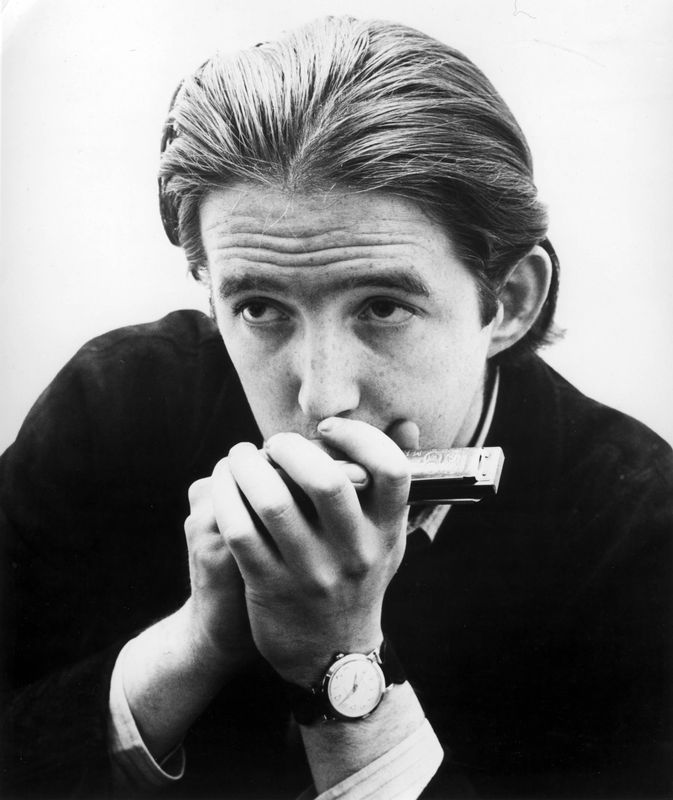
Paul Butterfield was the first white harmonica player to develop a style original and powerful enough to place him in the pantheon of true blues greats. It’s impossible to overestimate the importance of the doors Butterfield opened: before he came to prominence, white American musicians treated the blues with cautious respect, afraid of coming off as inauthentic. Not only did Butterfield clear the way for white musicians to build upon blues tradition (instead of merely replicating it), but his storming sound was a major catalyst in bringing electric Chicago blues to white audiences who’d previously considered acoustic Delta blues the only really genuine article.
~Steve Huey (allmusic.com)

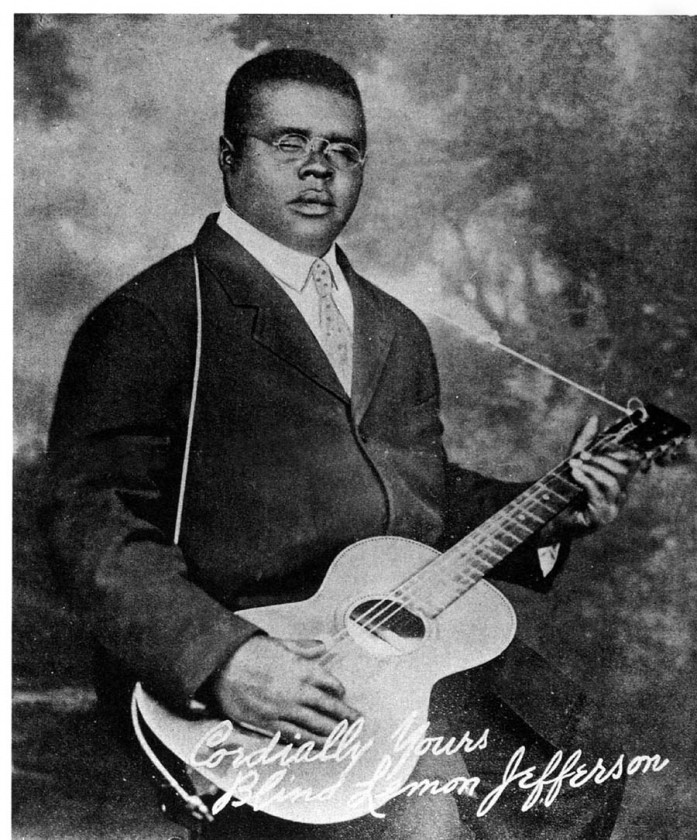 the only known picture of BLJ, and it is heavily retouched, with a fake tie painted in by hand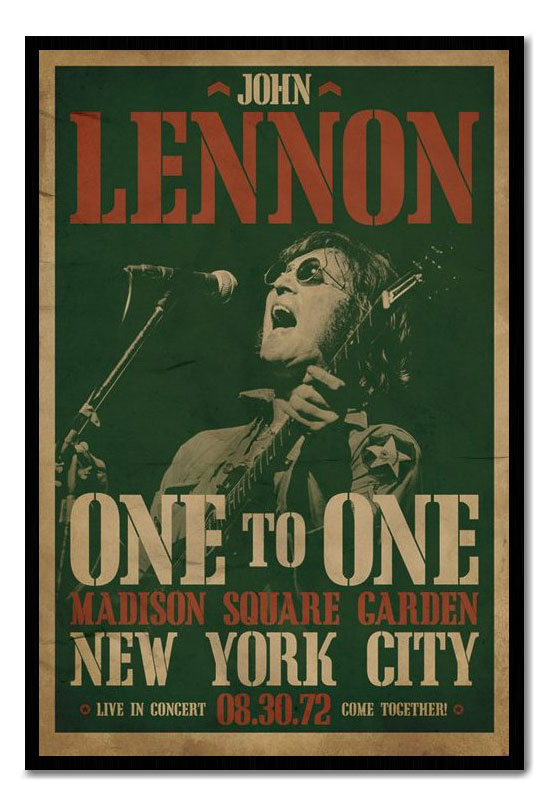
 )
)