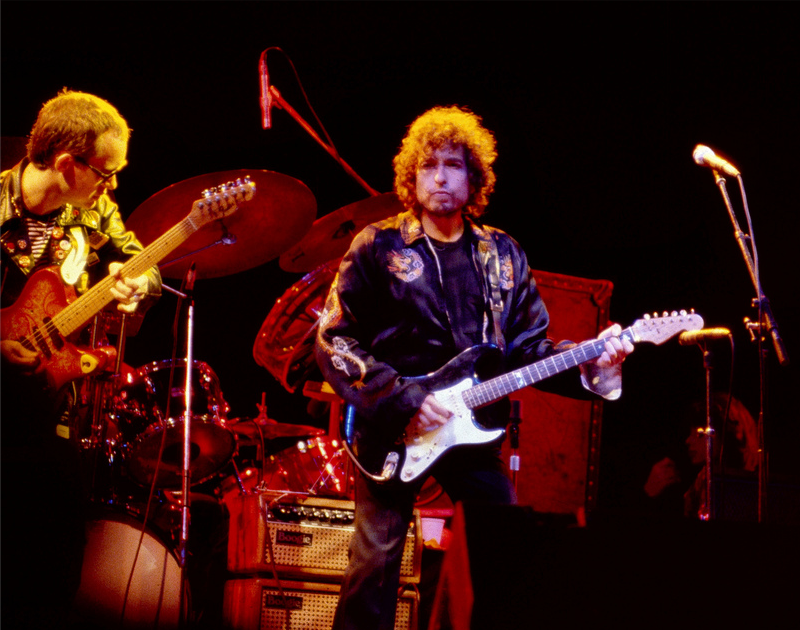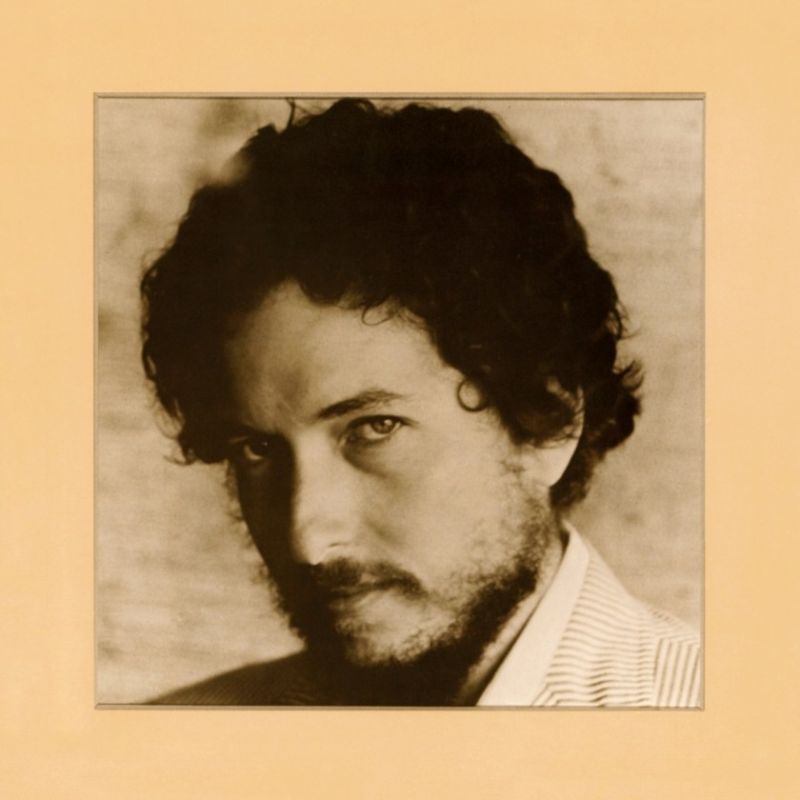
August 12: Bob Dylan The Last New Morning recording session 1970


bob dylan new morning


This is a quirky album, from a Dylan not pointing a way for anyone, but from a great artist remaining at his work knowingly in the face of not being creatively on top form in the phenomenal way he had been in the period 1964–68.Warm and abiding, it sounds better and better as the years go by.
~Michael Gray (The Bob Dylan Encyclopedia)


Wikipedia: Dylan ultimately decided to re-record “If Not for You” and “Time Passes Slowly”, holding one final session on August 12. During that session, he also recorded “Day of the Locusts,” which by now had been finished.For the album’s final sequence, the three August 12 recordings were placed at the beginning of New Morning, while covers of “Ballad of Ira Hayes” and “Mr. Bojangles” were dropped.


Studio E
Columbia Recording Studios
New York City, New York
12 August 1970
8th and last New Morning recording session, produced by Bob Johnston.

Continue reading August 12: Bob Dylan The Last New Morning recording session 1970
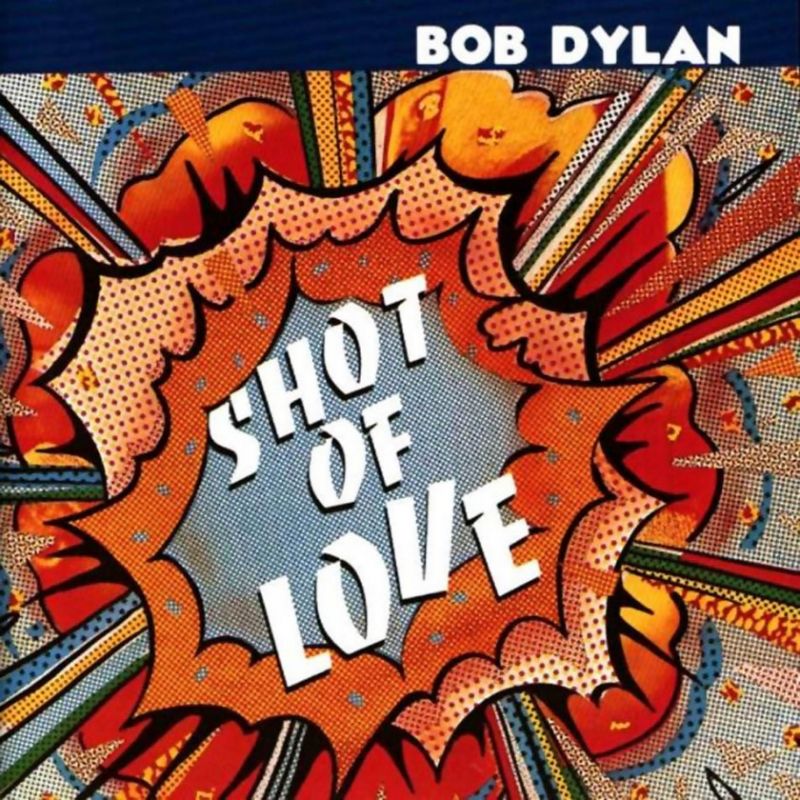
August 10: Bob Dylan released the album Shot of Love in 1981


Bob_Dylan-Shot_Of_Love

August 10: Bob Dylan released Shot of Love in 1981

I hear the ancient footsteps like the motion of the sea
Sometimes I turn, there’s someone there, other times it’s only me
I am hanging in the balance of the reality of man
Like every sparrow falling, like every grain of sand

Shot of Love is Bob Dylan’s 21st studio album, it was released by Columbia Records in August 1981.

It is generally considered to be Dylan’s last of a trilogy of overtly religious, Christian albums. Also, it was his first since becoming born-again to focus on secular themes, from straight-ahead love songs to an ode to the deceased comedian Lenny Bruce. Arrangements are rooted more in rock’n’roll, less in gospel than on Dylan’s previous two albums. So maybe it is more of a new start than a gospel-tinged end?

Bob Dylan France 1981

Continue reading August 10: Bob Dylan released the album Shot of Love in 1981

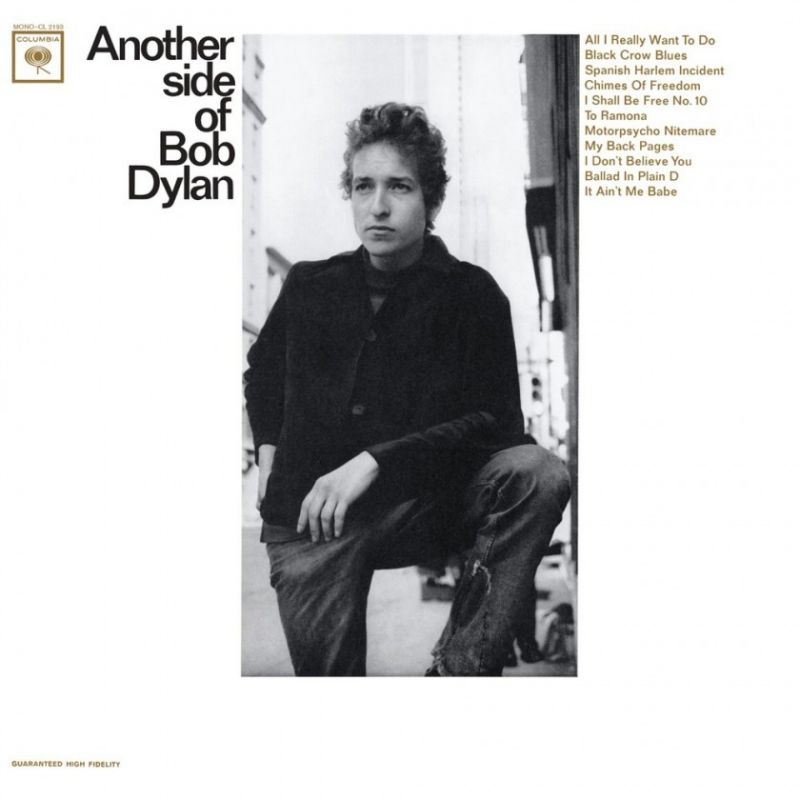
August 8: Bob Dylan: Another Side Of Bob Dylan (album)


another side of Bob Dylan

[vc_row][vc_column][vc_message message_box_color=”mulled_wine” icon_fontawesome=”fa fa-quote-left”]“I wrote my fourth album [“Another Side of Bob Dylan”] in Greece, but that was still an American album.”
~Bob Dylan (to Robert Shelton June 1978)

“Tom Wilson, the producer, titled it that,” [Another Side of Bob Dylan] “I begged and pleaded with him not to do it. You know, I thought it was overstating the obvious. I knew I was going to have to take a lot of heat for a title like that and it was my feeling that it wasn’t a good idea coming after The Times They Are A- Changin’, it just wasn’t right. It seemed like a negation of the past which in no way was true. I know that Tom didn’t mean it that way, but that’s what I figured that people would take it to mean, but Tom meant well and he had control, so he had it his way. I guess in the long run, he might have been right to do what he did. It doesn’t matter now.”
~Bob Dylan (to Cameron Crowe Sept. 1985)

“His writing and control of atmosphere on songs like ‘To Ramona’ and ‘Spanish Harlem Incident’ come across as early flashes of the creative explosion that he was to go through in 1965–66. A great minor album, and his last solo album until the 1990s.”
~Michael Gray (The Bob Dylan Encyclopedia)[/vc_message][/vc_column][/vc_row]

My Back Pages:

Continue reading August 8: Bob Dylan: Another Side Of Bob Dylan (album)

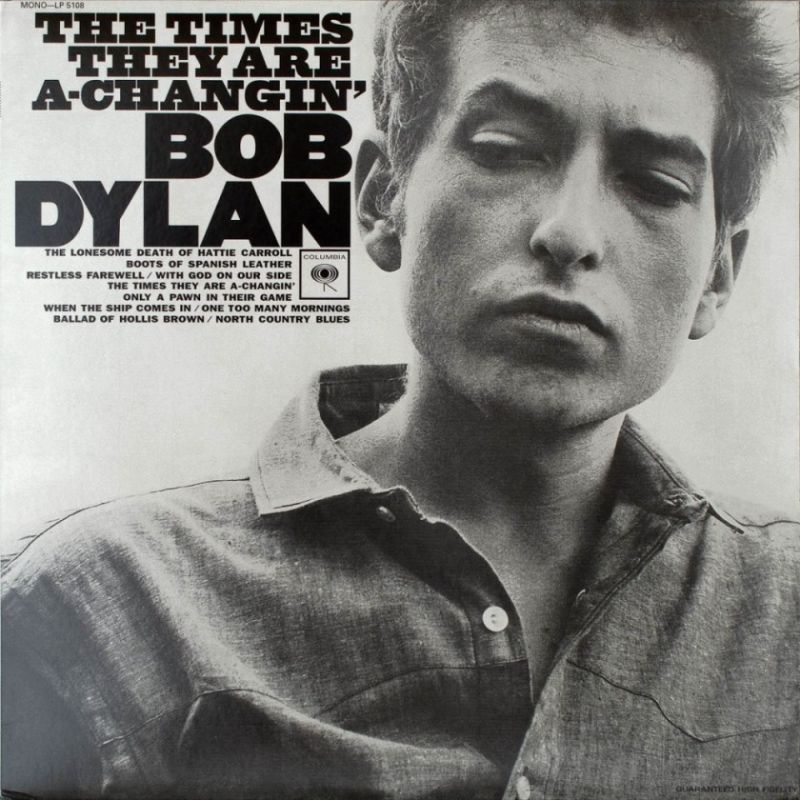
August 7: Bob Dylan: The 2nd The Times They Are A-Changin’ recording session, 1963


Dylan_The_Times_They_Are_A_Changin_front

[vc_row][vc_column][vc_message message_box_color=”mulled_wine” icon_fontawesome=”fa fa-quote-left”]“Another thing about Times They Are A-Changin’ – I wanted to say in it that if you have something that you don’t want to lose, and people threaten you, you are not really free.”
~Bob Dylan (to Ray Coleman, May 1965)

“The message isn’t in the words, …. I don’t do anything with a sort of message.
I’m just transferring my thoughts into music. Nobody can give you a message like that.”
~Bob Dylan (to Ray Coleman, May 1965)

Dylan’s third album reflects his mood in August-October 1963. It is also a product for his need to live up to and expand on the role he found himself in, topical poet, the restless young man with something to say, singing to and for a new generation.
~Paul Williams (BD performing artist 1960-73)[/vc_message][/vc_column][/vc_row]

Studio A
Columbia Recording Studios
New York City, New York
7 August 1963
The 2nd The Times They Are A-Changin’ session, produced by Tom Wilson

Another session at Studio A was held the following day, this time yielding master takes for four songs: “Ballad of Hollis Brown”, “With God on Our Side”, “Only a Pawn in Their Game”, and “Boots of Spanish Leather”, all of which were later included on the final album sequence.
~Wikipedia

Continue reading August 7: Bob Dylan: The 2nd The Times They Are A-Changin’ recording session, 1963

August 6: Listen – Bob Dylan: “Brownsville Girl” Paso Robles, California 1986 (only live version ever performed)


bob dylan 1986

Mid-State Fairground
Paso Robles, California
6 August 1986

  • Bob Dylan (vocal & guitar)
  • Tom Petty (guitar)
  • Mike Campbell (guitar)
  • Benmont Tench (keyboards)
  • Howie Epstein (bass)
  • Stan Lynch (drums)
  • The Queens Of Rhythm: Carolyn Dennis, Queen Esther Marrow, Madelyn Quebec, Louise Bethune (backing vocals)

Continue reading August 6: Listen – Bob Dylan: “Brownsville Girl” Paso Robles, California 1986 (only live version ever performed)