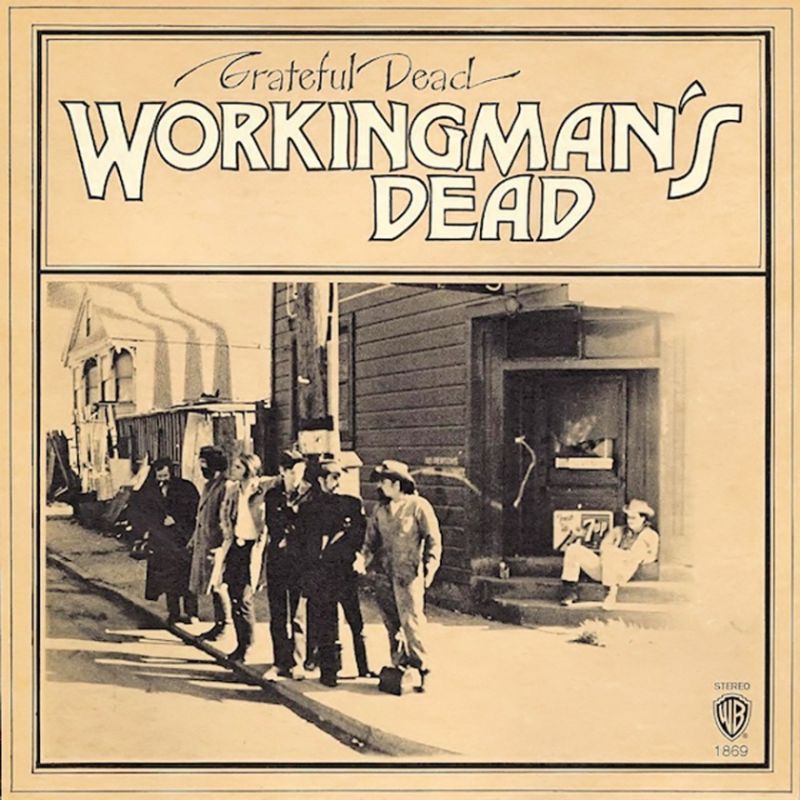
June 14: The Grateful Dead released “Workingman’s Dead” in 1970
Workingman’s Dead, in part inspired by the rustic soul of the Band, ranks as the Dead’s studio masterpiece, followed closely by American Beauty. The focus is on the songs, rather than the jams, and these would provide the focal point of an era, spanning 1969–74, when the Dead played some of the most remarkable concerts in American history, virtually every one available in some incarnation thanks to the band’s dedicated tapers.
~rollingstone.com
Wikipedia:
A music video or song video is a short film integrating a song and imagery, produced for promotional or artistic purposes.Modern music videos are primarily made and used as a marketing device intended to promote the sale of music recordings. Although the origins of music videos date back much further, they came into prominence in the 1980s, when MTV based their format around the medium. Prior to the 1980s, these works were described by various terms including “illustrated song”, “filmed insert”, “promotional (promo) film”, “promotional clip” or “film clip”.
Music videos use a wide range of styles of film making techniques, including animation, live action filming, documentaries, and non-narrative approaches such as abstract film. Some music videos blend different styles, such as animation and live action. Many music videos do not interpret images from the song’s lyrics, making it less literal than expected. Other music videos may be without a set concept, being merely a filmed version of the song’s live performance.
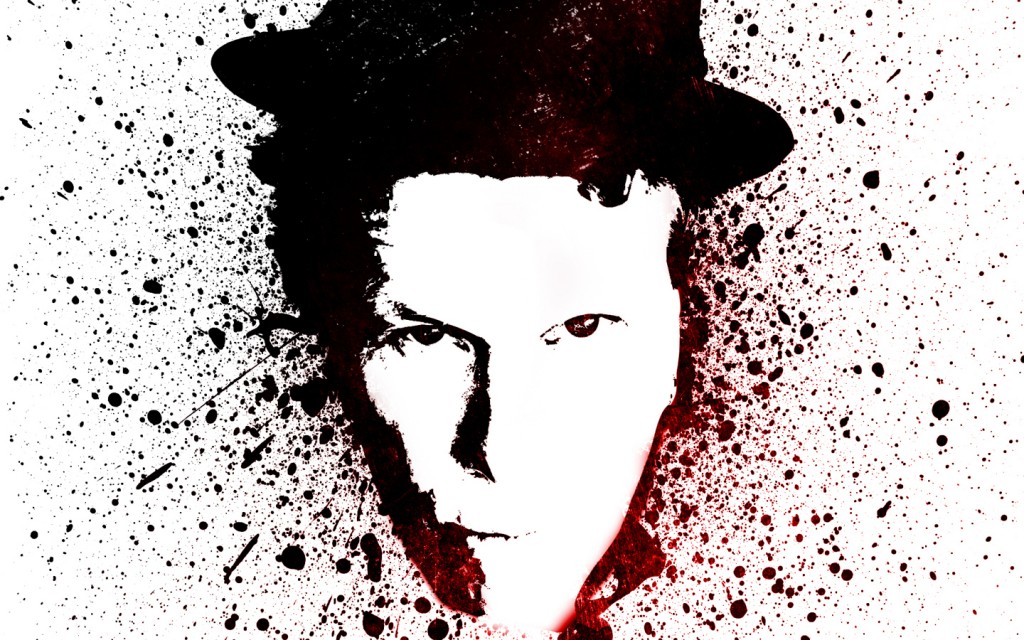
My favourite music video artist is without a doubt, Tom Waits! Since I saw the video for In the Neighbourhood in 1983, I’ve eagerly waited for his promotional videos for his albums. They are valid works of art in their own right, and combined with Tom Waits’ songs they’re taken to a higher level.
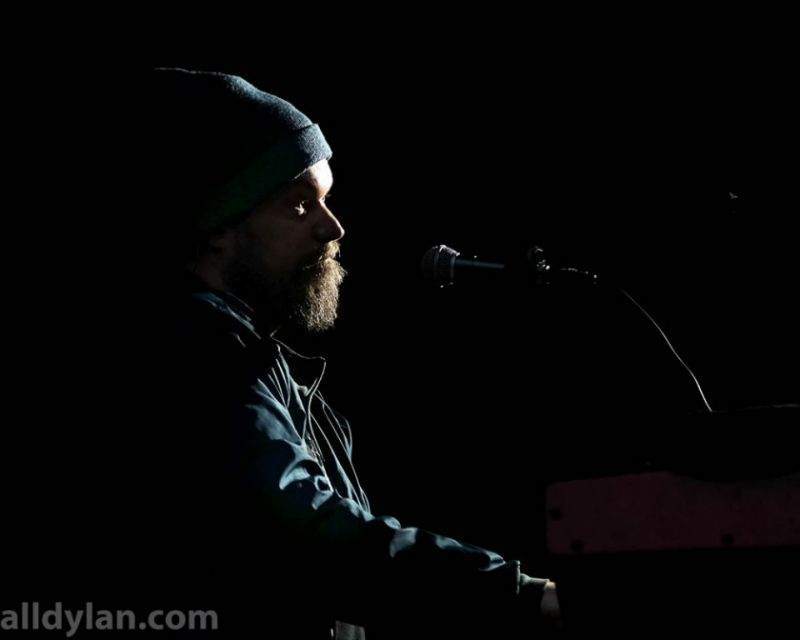
The best concert at Bergenfest this year. I should say; so far, but I cannot imagine anyone topping this fantastic concert. We’ve seen John Grant three times in Bergen, and his audience keeps growing. It is well deserved, he’s an artist of global format. And when I say artist I mean that in the truest sense of the word. His lyrics are deep, personal and profound. His melodies are exceptional. A joy from beginning to end, we ravelled in melancholia and we danced. He is funny and he is sad, and he is brilliant! (Hallgeir)
–
An artist penetrating your mind with hard & beautiful poems. He’s real, he’s honest, he’s scary, he makes us think, wonder, understand & dream. What more to say?
(Egil)
Baby, you’re where dreams go to die.
I regret the day your lovely carcass caught my eye.
Baby, you’re where dreams go to die.
I’ve got to get away. I don’t want to, but I have to try.
Oh, baby!
Where Dreams Go To Die (Strongroom Session):
“Let’s make certain that we don’t get into too good a mood, here are some more depressing songs”
Oh well, I’m tired and so weary but I must go along
Till the Lord comes and calls, calls me away, oh yes
Well the morning’s so bright and the lamp is the light
And the night, night is as black as the sea, oh yes
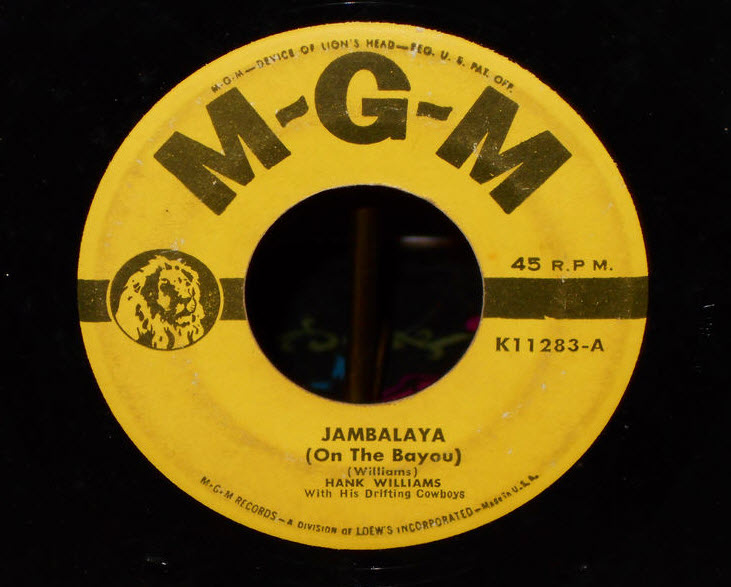
June 13: Hank Williams recorded “Jambalaya (On the Bayou)” in 1952
Goodbye Joe me gotta go me oh my oh
Me gotta go pole the pirogue down the bayou
My Yvonne the sweetest one me oh my oh
Son of a gun we’ll have big fun on the bayou
Jambalaya and a crawfish pie and fillet gumbo
Cause tonight I’m gonna see my ma cher amio
Pick guitar fill fruit jar and be gay-o
Son of a gun we’ll have big fun on the bayou
Wikipedia:
A-side
“Jambalaya (On the Bayou)”
B-side
“Window Shopping”
Released
19 July 1952
Format
7″
Recorded
13 June 1952
at Castle Studio, Tulane Hotel, Nashville, Tennessee
Genre
Country
Length
2:52
Label
MGM
K-11283 (U.S. 7″)
Writer(s)
Hank Williams
“Jambalaya (On the Bayou)” is a song written and recorded by Americancountry music singer Hank Williams that was first released in July 1952. Named for a Creole and Cajun dish, jambalaya, it spawned numerous cover versions and has since achieved popularity in a number of music genres.