“Stevie Wonder is second fiddle to no one.”
– The New York Post
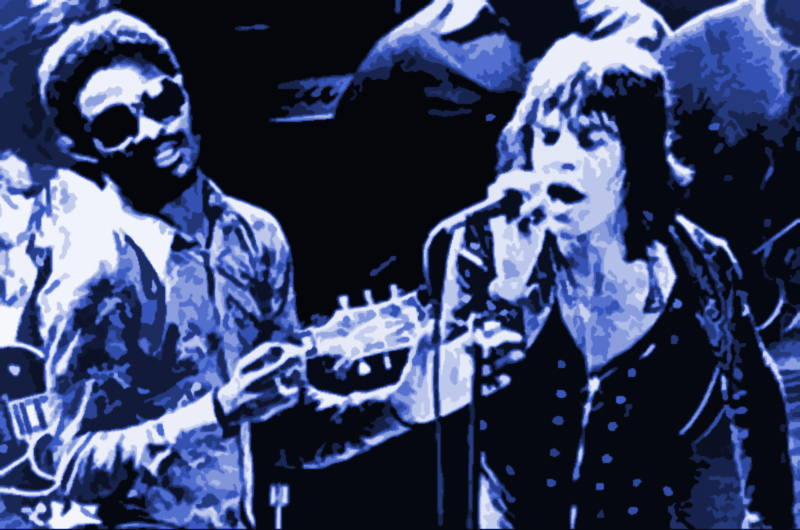
The Rolling Stones American Tour 1972, often referred to as the S.T.P. Tour (for Stones Touring Party), was a much-publicized and much-written-about concert tour of The United States and Canada in June and July 1972 by The Rolling Stones. Rock critic Dave Marsh would later write that the tour was “part of rock and roll legend” and one of the “benchmarks of an era.”
Stevie Wonder was the support act for the tour.
Stevie Wonder and The Rolling Stones – Uptight/Satisfaction (live, 1972):
“Rock ‘n’ roll doesn’t always pay the bills, and I’ve been interested in bars – obviously – for a long time,” ~Greg Dulli
Dulli was born and brought up in a working-class suburb of Hamilton, Ohio. Dulli’s father’s side of the family comes from Kalamata-Peloponnese, Greece and his mother comes from West Cork, Ireland. He first came to public attention in Cincinnati in the late 1980s with The Afghan Whigs.
Eric Victor Burdon (born 11 May 1941)
is an English singer-songwriter best known as a member and vocalist of rock band The Animals, and the funk band War and for his aggressive stage performance. He was ranked 57th in Rolling Stone‘s list – The 100 Greatest Singers of All Time.
Claude Hudson “Butch” Trucks (born May 11, 1947 in Jacksonville, Florida) is an American drummer who is one of the founding members of The Allman Brothers Band.
Small Faces is the debut album of the Small Faces, released 11 May in 1966. It includes the hit singles “Whatcha Gonna Do About It” and “Sha-La-La-La-Lee“. The album was well received by music critics and fans alike and rose to number three in the UK album chart remaining at the top for several weeks
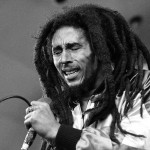
Robert Nesta “Bob” Marley(6 February 1945 – 11 May 1981) was a Jamaicanreggae singer-songwriter and guitarist who achieved international fame and acclaim. Starting out in 1963 with the group the Wailers, he forged a distinctive songwriting and vocal style that would later resonate with audiences worldwide.
David Noel Redding (25 December 1945 – 11 May 2003) was an English rock bassist and guitarist best known for his work as bassist with the Jimi Hendrix Experience.Born in Folkestone, he was selected by Chas Chandler to join Hendrix’s band at its inception in 1966 and left in 1969. Although he played in other bands before, after, and even during his stint with the Experience, he never achieved a similar level of success and retired to Clonakilty, Ireland, in 1972.
My heroes are the ones who survived doing it wrong, who made mistakes, but recovered from them.
~Bono
Singer, poet, activist, believer: few icons in the history of rock & roll have created art with the consciousness and passion of Bono, and only a handful have done it as successfully. Whether preaching about “three chords and the truth” or donning ironic personas, the first and only frontman for seminal Irish rock band U2 has always stood unequivocally for hope, faith, and love — and in so doing has touched millions of fans, as well as sold millions of records.
~Jonathan Miller (allmusic.com)
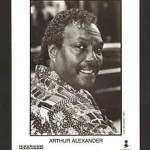
Arthur Alexander (May 10, 1940 – June 9, 1993) was an American country songwriter and soul singer. Jason Ankeny, music critic forAllmusic, said Alexander was a “country-soul pioneer” and that, though largely unknown, “his music is the stuff of genius, a poignant and deeply intimate body of work on par with the best of his contemporaries.” Alexander wrote songs publicized by such stars asThe Beatles, Elvis Presley, Otis Redding, Tina Turner and Jerry Lee Lewis.
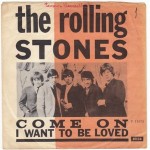
“Come On” was chosen as the Rolling Stones’s debut single. Released in the late spring of 1963, it reached number 21 on the UK single charts.
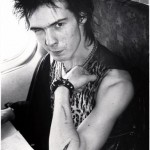
Sid Vicious, born John Simon Ritchie (10 May 1957 – 2 February 1979), was an English musician who was the bass guitarist and vocalist of the punk group Sex Pistols. Vicious joined the Sex Pistols in early 1977 to replace Glen Matlock. Since his skills on bass guitar were questionable, Vicious only performed bass on one song on the band’s sole studio album Never Mind the Bollocks. During the brief drug-filled ascendancy of the Sex Pistols, Vicious met his girlfriend and manager Nancy Spungen, who died of a stab wound whilst staying in the Hotel Chelsea, Manhattan, with Vicious. Vicious died of a heroin overdose while on bail on suspicion of her murder.
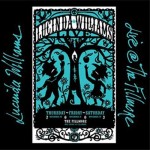
Live @ The Fillmore is Lucinda Williams’ eighth album, and her first live album. It was released in 2005. Though rated highly for the live performance, the album received criticism for only containing album tracks, including 11 from her previous album, 2003’s World Without Tears.
Music can change the world because it can change people.
~Bono
My heroes are the ones who survived doing it wrong, who made mistakes, but recovered from them.
~Bono
Singer, poet, activist, believer: few icons in the history of rock & roll have created art with the consciousness and passion of Bono, and only a handful have done it as successfully. Whether preaching about “three chords and the truth” or donning ironic personas, the first and only frontman for seminal Irish rock band U2 has always stood unequivocally for hope, faith, and love — and in so doing has touched millions of fans, as well as sold millions of records.
~Jonathan Miller (allmusic.com)
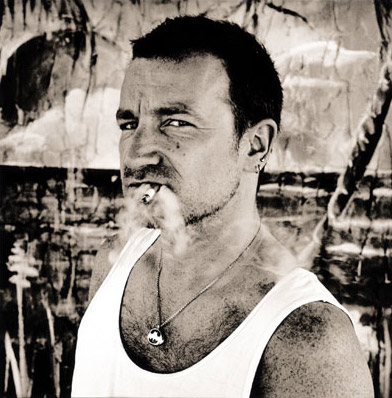
Paul David Hewson (born 10 May 1960), known by his stage name Bono, is an Irish singer, musician, venture capitalist and humanitarian best known for being the main vocalist of the Dublin-based rock band U2. Bono was born and raised in Dublin, Ireland, and attended Mount Temple Comprehensive School where he met his future wife, Alison Stewart, and the future members of U2. Bono writes almost all U2 lyrics, frequently using religious and social, and occasional political themes. During their early years, Bono’s lyrics contributed to U2’s rebellious and spiritual tone. As the band matured, his lyrics became inspired more by personal experiences shared with members of U2.
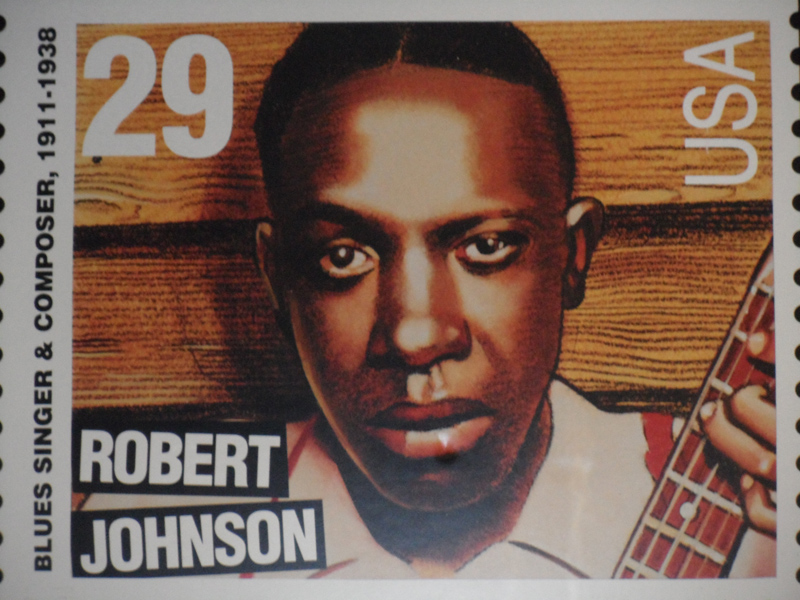
Today is the birthday of the legendary blues-man Robert Johnson
Robert Leroy Johnson (May 8, 1911 – August 16, 1938) was an American blues singer and musician. His landmark recordings from 1936–37 display a combination of singing, guitar skills, and songwriting talent that have influenced later generations of musicians. Johnson’s shadowy, poorly documented life and death at age 27 have given rise to much legend, including a Faustian myth. As an itinerant performer who played mostly on street corners, in juke-joints, and at Saturday night dances, Johnson enjoyed little commercial success or public recognition in his lifetime.
We celebrate his life and art with two amazing documentaries.
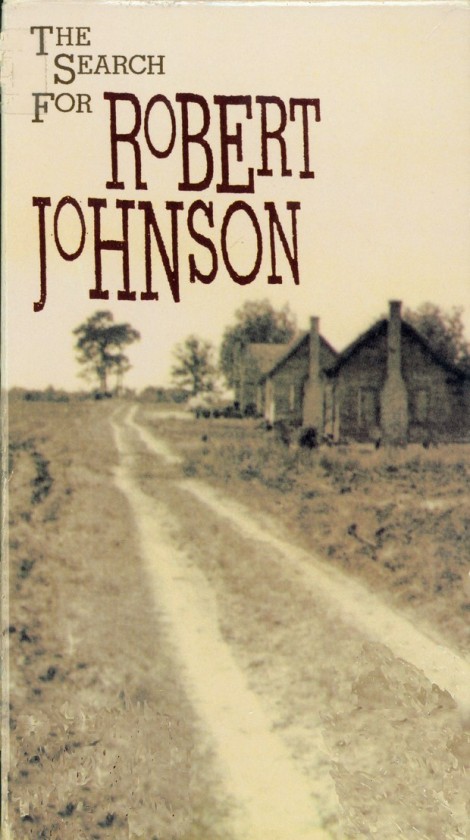
1. The Crossroads Legends – Search for Robert Johnson:
John Hammond, Jr. explores the life and times of blues man, Robert Johnson. Hammond is a fine blues musician himself, here he travels through the small towns of the Mississippi Delta and interviews several of Robert Johnson’s contemporaries and acquaintances, including Johnny Shines. Continue reading Videos of the day: Two great documentaries about Robert Johnson→