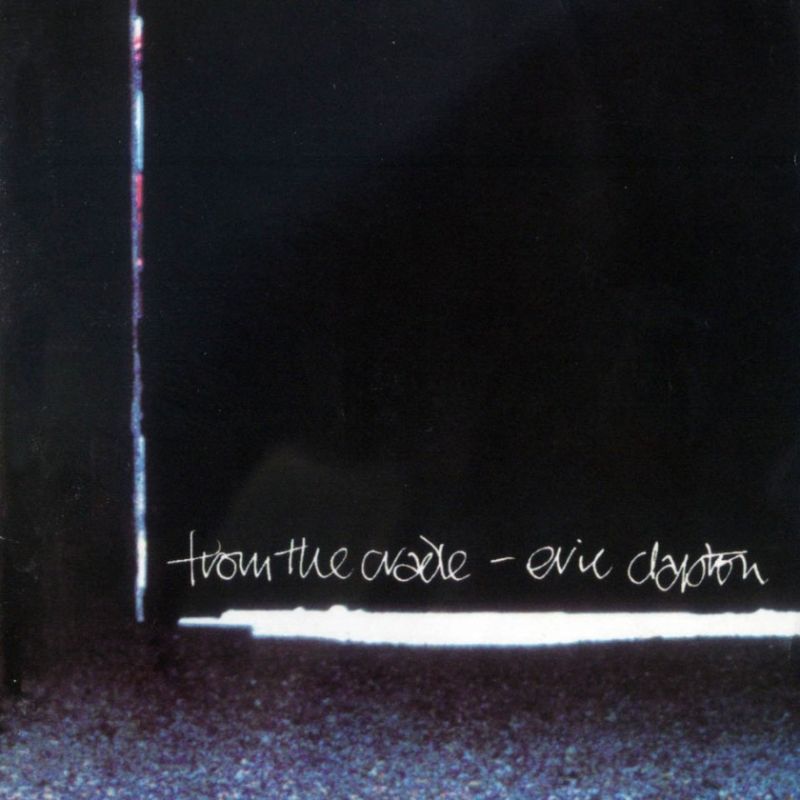
From the Cradle is a blues cover album by Eric Clapton. It is also his 12th studio album. Released on 13 September 1994, the album was Eric Clapton’s long-awaited follow-up to his massively successful live album, Unplugged. The liner notes states, “This is a live recording with no overdubs or edits except for dobro overdub on ‘How Long Blues’ and drum overdub on ‘Motherless Child’.”
Although he’d long been associated with the blues, From the Cradle was Clapton’s first attempt at an all-blues album.
When I listen to the album, I am transported to a small blues club where a group of fantastic players give us their best, fantastic musicianship. I saw Martin Scorsese’s documentary, Nothing but the blues before I heard the album. I started to seek out the songs from the film, and found From the cradle. It is one of my favorite Clapton albums.
Nothing but the blues:Eric Clapton discusses who has influenced him throughout his career, with clips of performances by Howlin’ Wolf, Buddy Guy, Muddy Waters, B.B. King, etc. Filmed by director Martin Scorsese, this documentary was broadcast once on PBS stations, but never officially released for reasons which remain unclear. A planned release on home video was slated for early summer 1995, and Warner/Reprise produced a limited number of advance copies to be used for promotion. (it is on YouTube in 10 parts)
Eric Clapton – Five Long Years (Eddie Boyd) from Nothing but the blues(doc/live):
“It takes the assurance of a titan like Eric Clapton to muster the humility that inspires From the Cradle. The guitarist’s tribute to the gods who formed him (Muddy Waters, Freddie King, Otis Rush among them), the disc sacrifices flash to sheer blazing force. “Groaning the Blues,” “Five Long Years” — this is the bone and sinew of blues.” – Paul Evans (Rolling Stone Magazine)
“A hundred blowin’ up in the headlines We’ve seen it all before The powers are killing the paupers For some idea of God, or whatever”
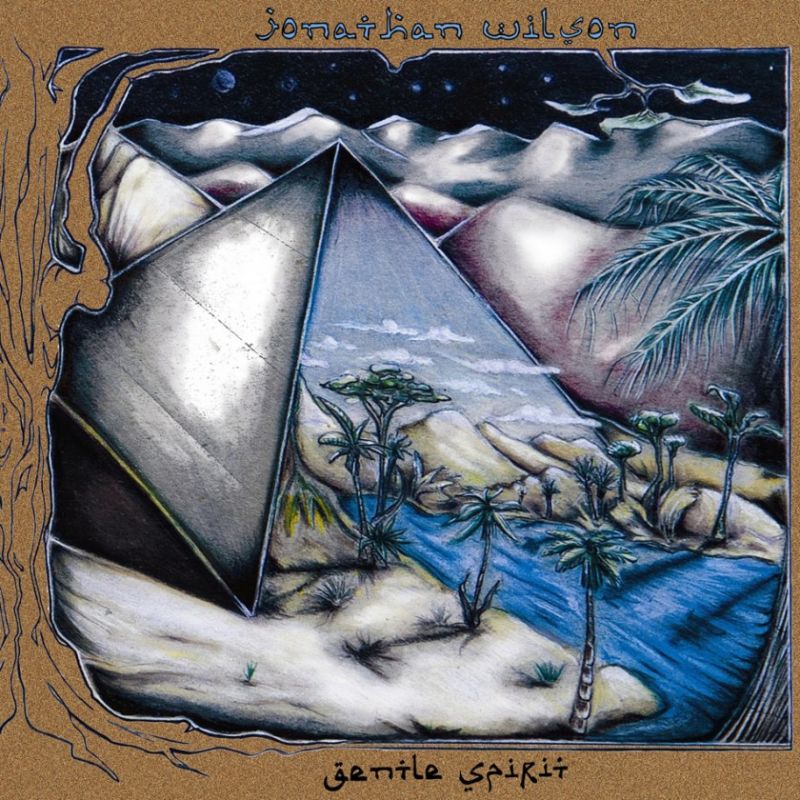
Gentle Spirit is the first official studio album released by Los Angeles, California artist Jonathan Wilson. It was released in the United Kingdom and Europe on August 8, 2011 and in the United States on September 13, 2011 on Bella Union and received the #4 spot on Mojo Magazine’s 2011 Best of Albums of the Year. The album was recorded at Wilson’s former studio in Laurel Canyon and mixed at his new studio in Echo Park.
Jonathan Wilson records great music and he is fantastic live, I needed some time to get into his mindset, and I must confess that I didn’t understand all the positive reviews this album got at first. We did not include it in our top 25 albums of 2011, it should have been in the top 5. We got the opportunity to see him live in 2012 and that changed everything I thought I knew about Jonathan Wilson. It was a tremendous concert, and when I got home I started to listen to Gentle Spirit in a completely different way. My stats on LastFM tells me it is my most played album of 2012.
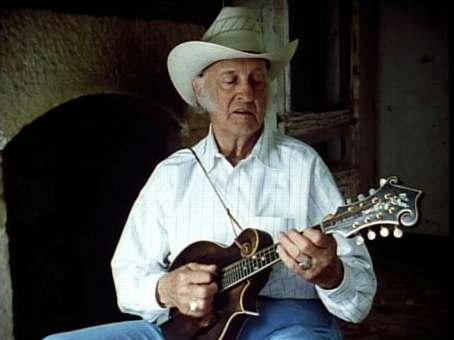
I’m a farmer with a mandolin and a high tenor voice.
~Bill Monroe
“To me there’s no difference between Muddy Waters and Bill Monroe.”
~Bob Dylan (to John Pareles, Sept 1997)
“Uncle Pen” from 1956 at the Ryman Auditorium:
From Wikipedia:
Birth name
William Smith Monroe
Also known as
Bill Monroe
Born
September 13, 1911
Origin
Rosine, Kentucky, USA
Died
September 9, 1996 (aged 84)
Genres
Bluegrass, Bluegrass gospel
Occupations
Bluegrass artist
Instruments
Mandolin
Years active
1930s–1996
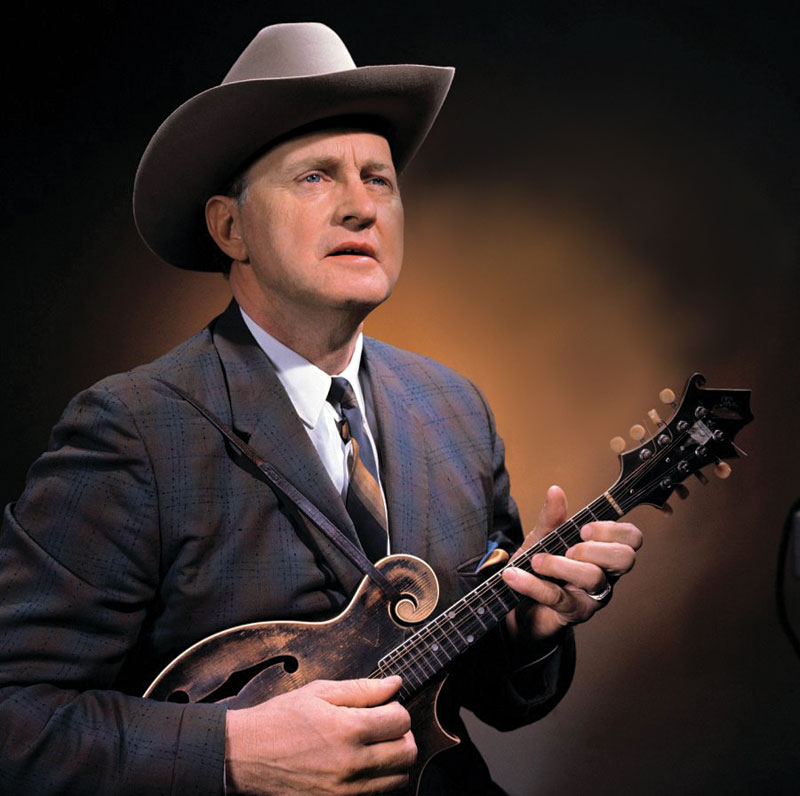
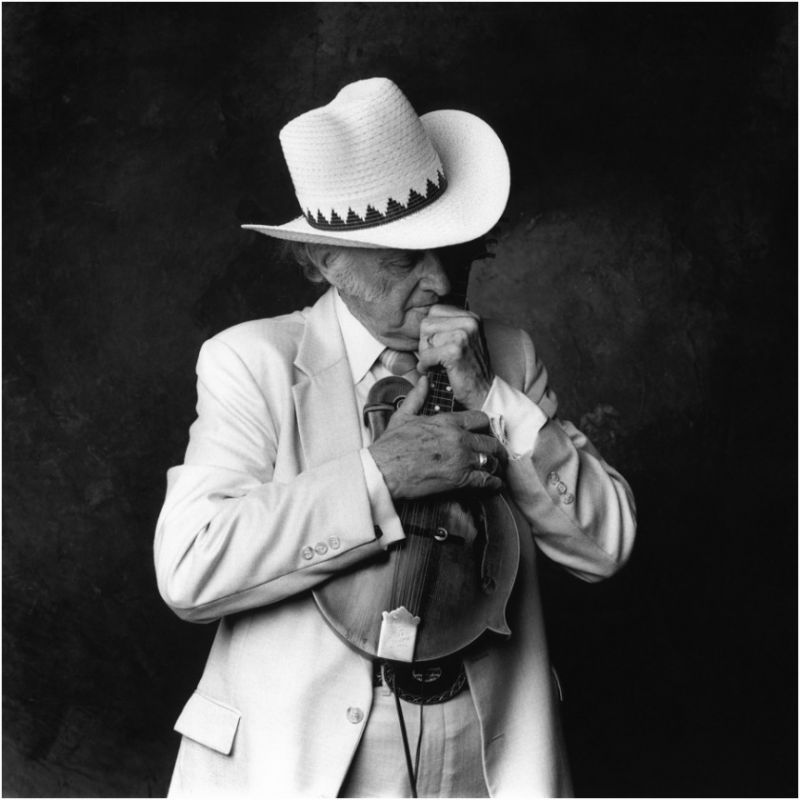
William Smith Monroe (September 13, 1911 – September 9, 1996) was an American musician who created the style of music known as bluegrass, which takes its name from his band, the “Blue Grass Boys,” named for Monroe’s home state of Kentucky. Monroe’s performing career spanned 60 years as a singer, instrumentalist, composer and bandleader. He is often referred to as The Father of Bluegrass.
From allmusic.com – Stephen Thomas Erlewine:
Bill Monroe is the father of bluegrass. He invented the style, invented the name, and for the great majority of the 20th century, embodied the art form. Beginning with his Blue Grass Boys in the ’40s, Monroe defined a hard-edged style of country that emphasized instrumental virtuosity, close vocal harmonies, and a fast, driving tempo. The musical genre took its name from the Blue Grass Boys, and Monroe’s music forever has defined the sound of classical bluegrass — a five-piece acoustic string band, playing precisely and rapidly, switching solos and singing in a plaintive, high lonesome voice. Not only did he invent the very sound of the music, Monroe was the mentor for several generations of musicians. Over the years, Monroe’s band hosted all of the major bluegrass artists of the ’50s and ’60s, including Flatt & Scruggs, Reno & Smiley, Vassar Clements, Carter Stanley, and Mac Wiseman. Though the lineup of the Blue Grass Boys changed over the years, Monroe always remained devoted to bluegrass in its purest form. Read more @ allmusic
Awards & Legacy:
made an honorary Kentucky colonel in 1966
inducted into the Country Music Hall of Fame in 1970
inducted into the Nashville Songwriters Hall of Fame in 1971
inducted into the Rock and Roll Hall of Fame (as an “early influence”) in 1997
(Jimmie Rodgers, Bob Wills, Hank Williams Sr., and Johnny Cash are the only other performers honored in all three)
As the “father of bluegrass,” he was also an inaugural inductee into the International Bluegrass Music Hall of Honor in 1991.
In 1993, he received the Grammy Lifetime Achievement Award
he was awarded the National Medal of Arts in 1995
His well-known song “Blue Moon of Kentucky” has been covered not only by bluegrass but also rock and country artists, most notably Elvis Presley, Paul McCartney, and Patsy Cline.
In 2003, CMT had Bill Monroe ranked No. 16 on CMT 40 Greatest Men of Country Music.
Artists that claimed to be influenced by or to be playing the bluegrass genre were often bullied by Bill Monroe. He always considered himself the father and caretaker of bluegrass. He would often say of new bands that did not perform to his standards, “That ain’t no part of nothin’.” Even those who question the scope of bluegrass refer to Monroe as a “musical giant” and recognize that “there would be no bluegrass without Bill Monroe.”
“Blue Moon of Kentucky” – live:
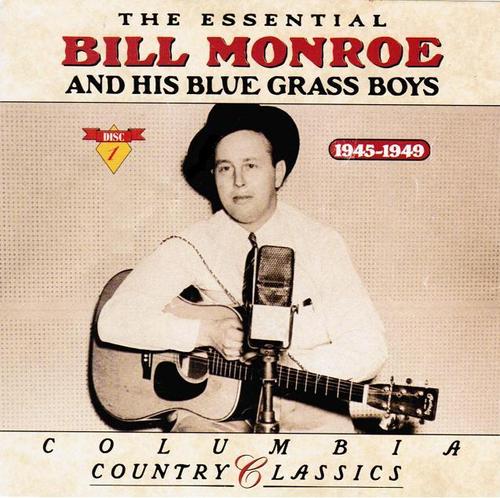
Album of the day: The Essential Bill Monroe and His Blue Grass Boys (1945-1949) (1992):
By most accounts, George Jones is the finest vocalist in the recorded history of country music.
~Stephen Thomas Erlewine
Be real about what you do. Stay true to the voice inside you. Don’t let the “business” change what it is you love because the people, the fans, respond to what is heartfelt. They can always tell when a singer is faking it.
~George Jones
She Thinks I Still Care:
From Wikipedia:
Birth name
George Glenn Jones
Also known as
No Show Jones
The Possum
Born
September 12, 1931
Saratoga, Texas, USA
Origin
Vidor, Texas, USA
Died
April 26, 2013 (aged 81)
Nashville, Tennessee, U.S.
Genres
Country
Occupations
singer-songwriter
Instruments
acoustic guitar
vocals
Years active
1954–present
Labels
Starday
Mercury
United Artists
Musicor
Epic
MCA Nashville
Asylum
Bandit
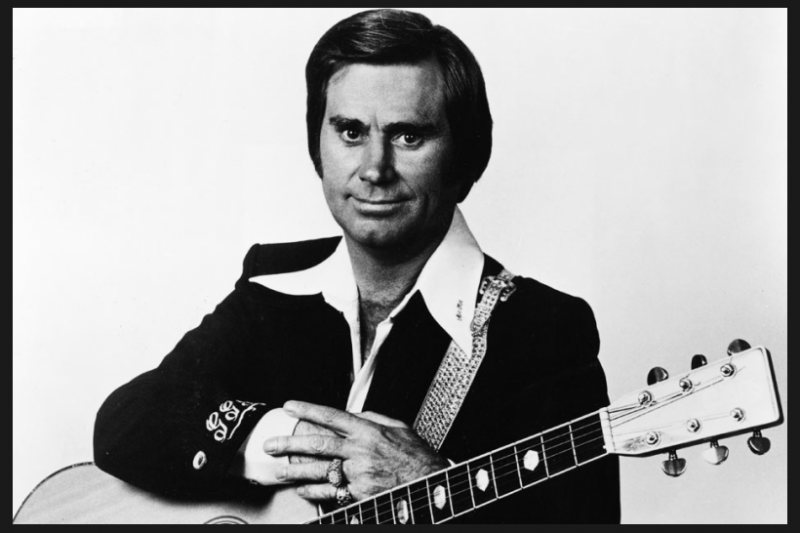
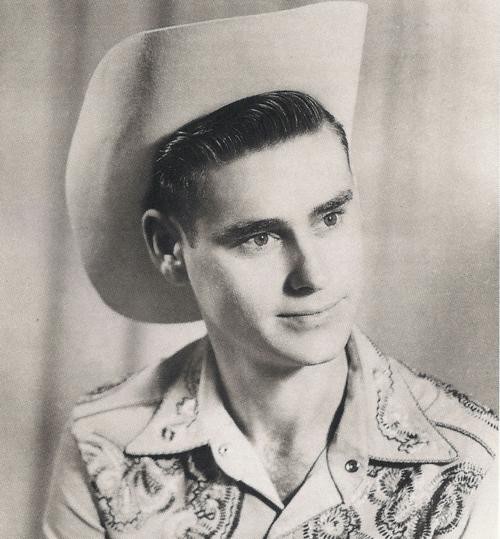
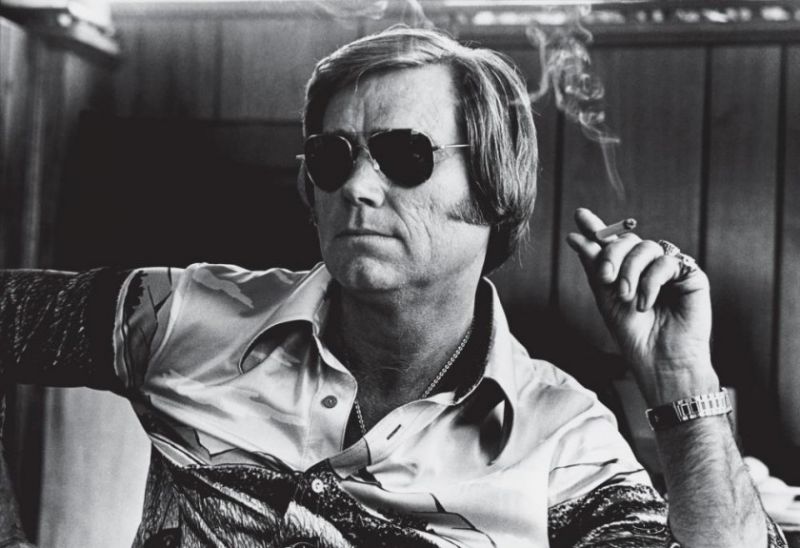
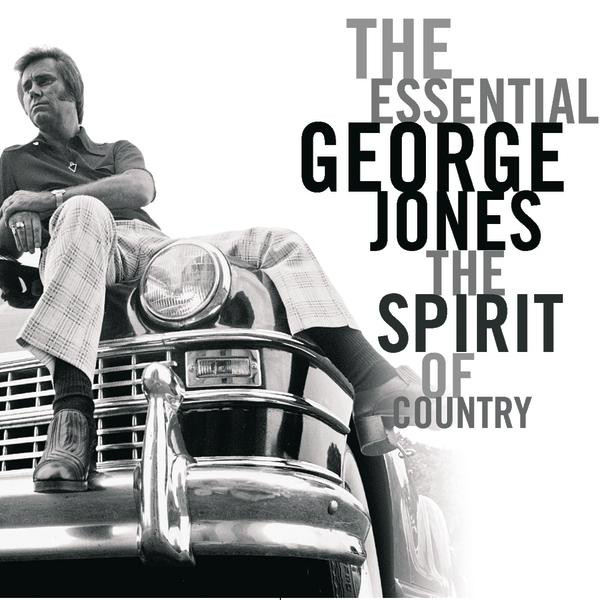
George Glenn Jones (September 12, 1931 – April 26, 2013) was an American musician, singer and songwriter who achieved international fame for his long list of hit records as well as his distinctive voice and phrasing. He is generally regarded as one of the greatest vocalists in the history of country music.
Country music scholar Bill C. Malone writes, “For the two or three minutes consumed by a song, Jones immerses himself so completely in its lyrics, and in the mood it conveys, that the listener can scarcely avoid becoming similarly involved.” Merle Haggard wrote in Rolling Stone magazine that “His voice was like a Stradivarius violin: one of the greatest instruments ever made.” During his life, Jones had more than 150 hits during his career, both as a solo artist and in duets with other artists.
Throughout his long career, Jones made headlines often as much for tales of his drinking, stormy relationships with women, and violent rages as for his prolific career of making records and touring. His wild lifestyle led to Jones missing many performances, earning him the nickname “No Show Jones.” With the help of his fourth wife, Nancy, he has been sober for more than 10 years. Jones has had more than 150 hits during his career, both as a solo artist and in duets with other artists. The shape of his nose and facial features have given Jones the nickname “The Possum.” Jones said in an interview that he has chosen to tour only about 60 dates a year.
–
Jones’s identity was closely tied to his alcoholism. One of the best known stories of Jones’ drinking days happened when he was married to his second wife, Shirley Corley. Jones recalled Shirley making it physically impossible for him to travel to Beaumont, located 8 miles away, and buy liquor. Because Jones would not walk that far, she would hide the keys to each of their cars they owned before leaving. She, however, did not hide the keys to the lawn mower. Jones recollects being upset at not being able to find any keys before looking out the window and at a light that shone over their property. He then described his thoughts, saying: “There, gleaming in the glow, was that ten-horsepower rotary engine under a seat. A key glistening in the ignition. I imagine the top speed for that old mower was five miles per hour. It might have taken an hour and a half or more for me to get to the liquor store, but get there I did.”
From allmusic.com – Stephen Thomas Erlewine:
By most accounts, George Jones is the finest vocalist in the recorded history of country music. Initially, he was a hardcore honky tonker in the tradition of Hank Williams, but over the course of his career he developed an affecting, nuanced ballad style. In the course of his career, he never left the top of the country charts, even as he suffered innumerable personal and professional difficulties. Only Eddy Arnold had more Top Ten hits, and Jones always stayed closer to the roots of hardcore country. …read more over @ allmusic.com
–
Number one country hits:
“White Lightning” (1959)
“Tender Years” (1961)
“She Thinks I Still Care” (1962)
“Walk Through This World with Me” (1967)
“We’re Gonna Hold On” (with Tammy Wynette) (1973)
“The Grand Tour (song)” (1974)
“The Door (George Jones song)” (1975)
“Golden Ring (song)” (with Tammy Wynette) (1976)
“Near You” (with Tammy Wynette) (1977)
“He Stopped Loving Her Today” (1980)
“I Was Country When Country Wasn’t Cool” (with Barbara Mandrell) (1981)
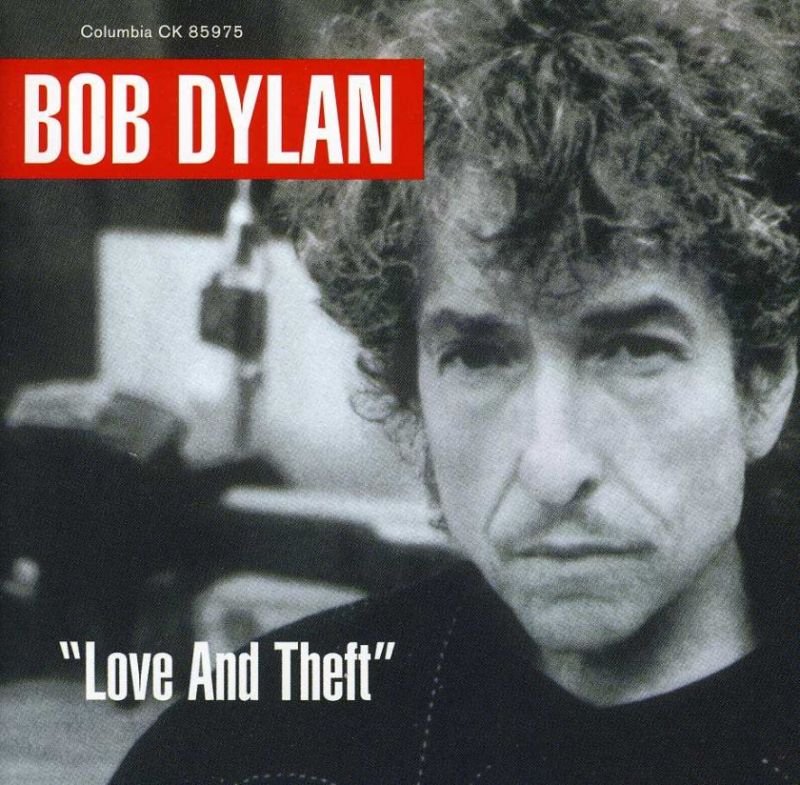
” ‘Love & Theft’ is not an album I’ve recorded to please myself. If I really wanted to that, I would have recorded some Charley Patton songs.”
~Bob Dylan
“All the songs are variations on the 12-bar theme and blues-based melodies. The music here is an electronic grid, the lyrics being the substructure that holds it all together. The songs themselves don’t have any genetic history. Is it like Time Out Of Mind, or Oh Mercy, or Blood On The Tracks, or whatever? Probably not. I think of it more as a greatest hits album, Volume 1 or Volume 2. Without the hits; not yet, anyway”
~Bob Dylan (“Love & Theft” press release, June 2001)
The old Chess records, the Sun records. . . I think that’s my favorite sound for a record . . . I like . . . the intensity The sound is uncluttered. There’s power and suspense. The whole vibration feels like it could be coming from inside your mind. It’s alive. It’s right there.
~Bob Dylan, to Bill Flanagan, 2009
High Water (for Charley Patton):
High water risin’—risin’ night and day
All the gold and silver are bein’ stolen away
Big Joe Turner lookin’ east and west
From the dark room of his mind
He made it to Kansas City
Twelfth Street and Vine
Nothin’ standing there
High water everywhere
From Wikipedia:
Released
September 11, 2001
Recorded
May 2001
Genre
Folk rock, blues, roots rock,Americana
Length
57:25
Label
Columbia
Producer
Jack Frost (Bob Dylan’s pseudonym)
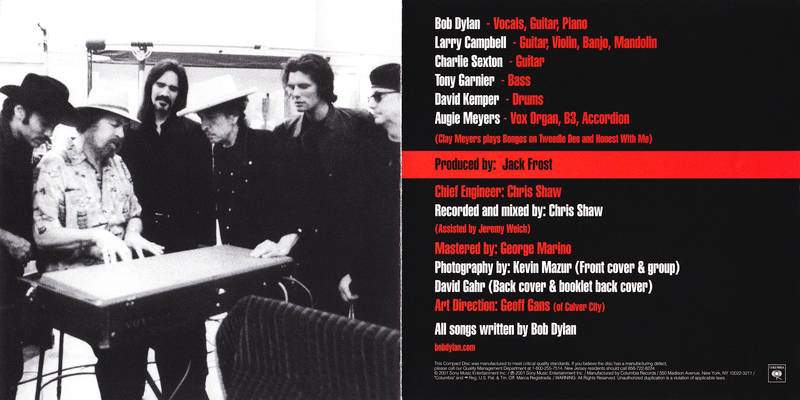
Love and Theft is the thirty-first studio album by American singer-songwriter Bob Dylan, released in September 2001 by Columbia Records. It featured backing by his touring band of the time, with keyboardist Augie Meyers added for the sessions. It peaked at #5 on the Billboard 200, and has been certified with a gold album by the RIAA.A limited edition release included two bonus tracks on a separate disc recorded in the early 1960s, and two years later, on September 16, 2003, this album was one of fifteen Dylan titles reissued and remastered for SACD hybrid playback.
The album continued Dylan’s artistic comeback following 1997’s Time Out of Mind, and was given an even more enthusiastic reception. Though often referred to without quotations, the correct title is “Love and Theft”. The title of the album was apparently inspired by historian Eric Lott’s book Love & Theft: Blackface Minstrelsy and the American Working Class, which was published in 1993. “Love and Theft becomes his Fables of the Reconstruction, to borrow an R.E.M. album title”, writes Greg Kot in The Chicago Tribune (published September 11, 2001), “the myths, mysteries and folklore of the South as a backdrop for one of the finest roots rock albums ever made.”
…. “Love and Theft is, as the title implies, a kind of homage,” writes Kot, “[and] never more so than on ‘High Water (for Charley Patton),’ in which Dylan draws a sweeping portrait of the South’s racial history, with the unsung blues singer as a symbol of the region’s cultural richness and ingrained social cruelties. Rumbling drums and moaning backing vocals suggest that things are going from bad to worse. ‘It’s tough out there,’ Dylan rasps. ‘High water everywhere.’ Death and dementia shadow the album, tempered by tenderness and wicked gallows humor.”
–
In an interview conducted by Alan Jackson for The Times Magazine in 2001, before the album was released, Dylan said “these so-called connoisseurs of Bob Dylan music…I don’t feel they know a thing, or have any inkling of who I am and what I’m about. I know they think they do, and yet it’s ludicrous, it’s humorous, and sad. That such people have spent so much of their time thinking about who? Me? Get a life, please. It’s not something any one person should do about another. You’re not serving your own life well. You’re wasting your life.”
Reception:
4 important opinions……
Clinton Heylin (from “Still On The Road…”):
… Not for the first time, his ambition proved greater than his artistry – “Love and Theft” was a patchwork quilt of borrowed ideas, and Dylan knew it. Hence, the little in-jokes with which he littered the lyrical trail. On the other hand, one has to acknowledge the bravura with which he approached his task. Previously, the editing process – before and during sessions – had generally expunged more derivative, less interesting debts. The reverse was now true. This time, Dylan positively celebrated every aspect of his cut-up canvas, even taking the album title from a 1993 book, Love & Theft: Blackface Minstrelsy and the American Working Class by Eric Lott. He even bookended the collection with two tracks that copped not only their melodies, but also their arrangements from earlier recordings.
–
Paul Williams (from “Bob Dylan: Performance Artist 1986-1990 And Beyond”):
Language. I’ve read close to a hundred reviews of “Love And Theft” by now, and yet Bob Dylan sums it up best, puts into words how I feel about this new and fabulous verbomusical experience. Says what I wanna say to you on this 7th day of November, 2001: “I know a place where there’s still somethin’ going on.” Yeah! Wow. He does, when so few seem to, and he takes me there. Over and over, whenever I listen to this album. And now I too know such a place, thank you very much. And then how about this (not just the words but the sound of his voice and the music that floats around it) as a description of the L&T experience?: “Another one of them endless days …” Oh yes.
It’s such a listenable record. The sound, the melodies, the feel, the variety, the connectedness of it all. Each song, I find myself lingering in the car or wherever it’s playing so I can hear it to the end. I get caught by each of ‘em again and again in quite a number of pleasing and satisfying ways. And like I say, I like the wholeness, the connectedness, of the album, the way it all hangs together and becomes a single experience, single narrative, in some mysterious and pleasing way that’s not easily pointed to or articulated.
–
Michael Gray (Bob Dylan Encyclopedia):
The Dylan world seemed at once to divide into those finding it much less substantial and those taking to it far more wholeheartedly. All agreed that the two albums differ in nearly every respect.
DANIEL LANOIS’ fingerprints are nowhere on ‘‘Love and Theft’’; the musicians used are, for the first time, Dylan’s Never-Ending Tour Band of the day, augmented by AUGIE MEYERS and his brother; there are no obviously great songs—no equivalent
of ‘Not Dark Yet’ or ‘Highlands’. But on ‘‘Love and Theft’’ a tumult of generously packed minor songs bump up boisterously against each other, like tuba players in a charabanc bouncing off on the excursion of a lifetime, calling to and fro amongst themselves in excited dialogue about everything under the sun. Dylan’s voice is almost completely shot here, yet what he does with it is most subtlely nuanced and shrewdly judged. And he is in such a good mood! This is the warmest, most outgoing, most good-humoured Bob Dylan album since Nashville Skyline, if not The Basement Tapes.
–
Robert Christgau:
Before minstrelsy scholar Eric Lott gets too excited about having his title stolen–“He loves me! Honey, Bob Dylan loves me!”–he should recall that Dylan called his first cover album Self-Portrait. Dylan meant that title, of course, and he means this one too, which doesn’t make “Love and Theft” his minstrelsy album any more than Self-Portrait’s dire “Minstrel Boy” was his minstrelsy song. All pop music is love and theft, and in 40 years of records whose sources have inspired volumes of scholastic exegesis, Dylan has never embraced that truth so warmly. Jokes, riddles, apercus, and revelations will surface for years, but let those who chart their lives by Dylan’s cockeyed parables tease out the details. I always go for tone, spirit, music. If Time Out of Mind was his death album–it wasn’t, but you know how people talk–this is his immortality album. It describes an eternal circle on masterful blazz and jop readymades that render his grizzled growl as juicy as Justin Timberlake’s tenor–Tony Bennett’s, even. It’s profound, too, by which I mean very funny. “I’m sitting on my watch so I can be on time,” he wheezes, because time he’s got plenty of. A+
In 2012, the album was ranked #385 on Rolling Stone’s 500 Greatest Albums of All Time, while Newsweek magazine pronounced it the second best album of its decade. In 2009, Glide Magazine ranked it as the #1 Album of the Decade. Entertainment Weekly put it on its end-of-the-decade, “best-of” list, saying, “The predictably unpredictable rock poet greeted the new millennium with a folksy, bluesy instant classic.”
Track listing:
All songs written and composed by Bob Dylan.
1. “Tweedle Dee & Tweedle Dum” 4:46
2. “Mississippi” 5:21
3. “Summer Days” 4:52
4. “Bye and Bye” 3:16
5. “Lonesome Day Blues” 6:05
6. “Floater (Too Much to Ask)” 4:59
7. “High Water (For Charley Patton)” 4:04
8. “Moonlight” 3:23
9. “Honest With Me” 5:49
10. “Po’ Boy” 3:05
11. “Cry a While” 5:05
12. “Sugar Baby” 6:40
–
My fav songs from L&T:
Mississippi
High Water (For Charley Patton)
Po’ Boy
Sugar Baby
Lonesome Day Blues
–
Personnel
Bob Dylan – vocals, guitar, piano, production
Additional personnel
Larry Campbell – guitar, banjo, mandolin, violin
Tony Garnier – bass guitar
David Kemper – drums
Augie Meyers – accordion, Hammond B3 organ, Vox organ
Clay Meyers – bongos
Chris Shaw – recording engineering
Charlie Sexton – guitar
Mississippi – Live 2002:
High Water (For Charley Patton) – Orlando – 10/10/10: