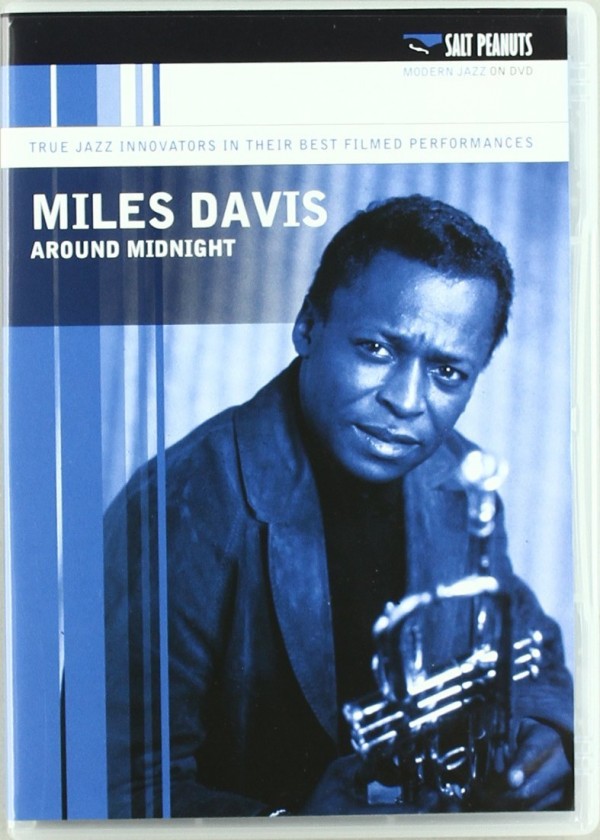
At its heart, jazz thrives on bold, sensitive interaction in the moment, and Live in Europe 1967 represents the pinnacle of that practice.
~Hank Shteamer (pitchfork.com)
Paul Weller wasborn 25 May 1958. Starting with the Punk/New Wave band The Jam (1972–1982), later Weller went on to branch out musically to a more soulful “cool” style with The Style Council (1983–1989). In 1991 he established himself as a successful solo artist,and continues to remain a respected singer, lyricist and guitarist.
Called “supernatural Delta blues by way of Swinging London” by Rolling Stone,the song was perceived by some as the band’s return to their blues roots after the psychedelia of their preceding albums Between the Buttons and Their Satanic Majesties Request.One of the group’s most popular and recognizable songs, it has been featured in many films and on many Rolling Stones compilation albums, among them are Through the Past, Darkly (Big Hits Vol. 2), Hot Rocks, Singles Collection and Forty Licks.
Thomas “Tom T.” Hall (born May 25, 1936, in Olive Hill, Kentucky) is an American country music singer-songwriter. He has written 11 #1 hit songs, with 26 more that reached the Top 10, including the pop crossover hit “I Love”, which reached #12 on the Billboard Hot 100. He became known to fans as “The Storyteller,” thanks to his storytelling skills in his songwriting.
Willie “Sonny Boy” Williamson (possibly December 5, 1912 – May 25, 1965) was an American blues harmonica player, singer and songwriter, from Mississippi. He is acknowledged as one of the most charismatic and influential blues musicians, with considerable prowess on the harmonica and highly creative songwriting skills. He recorded successfully in the 1950s and 1960s, and had a direct influence on later blues and rock performers. He should not be confused with another leading blues performer, John Lee “Sonny Boy” Williamson, who died in 1948.
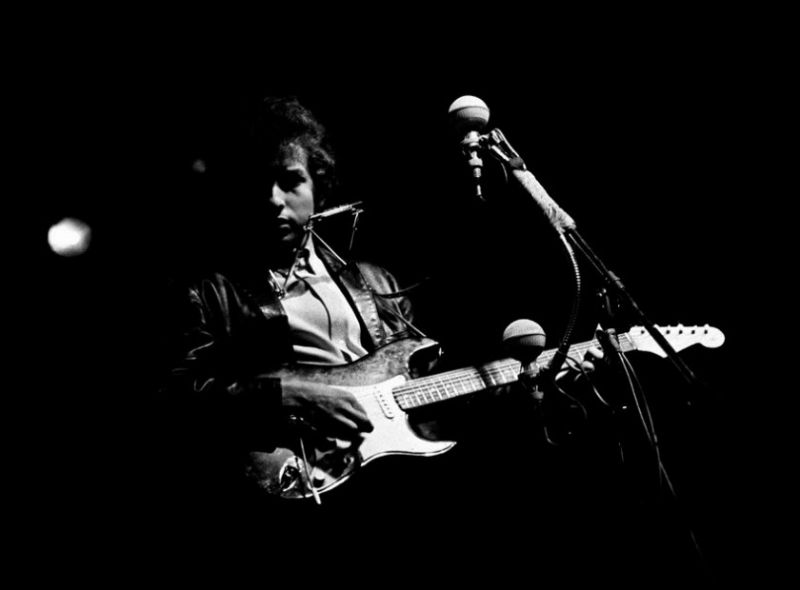
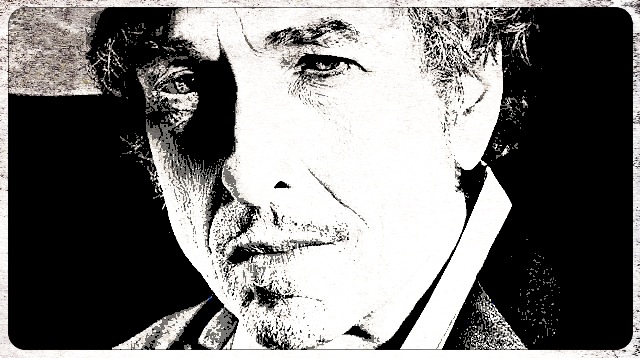
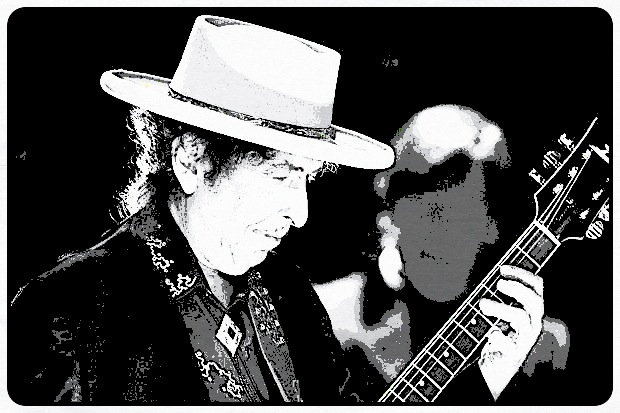
Bob Dylan (born Robert Allen Zimmerman; May 24, 1941) has been an influential figure in popular music and culture for more than five decades. Much of his most celebrated work dates from the 1960s when he was an informal chronicler and a seemingly reluctant figurehead of social unrest. A number of Dylan’s early songs, such as “Blowin’ in the Wind” and “The Times They Are a-Changin’”, became anthems for the US civil rights and anti-war movements. Leaving his first base in the culture of folk music behind, Dylan’s six-minute single “Like a Rolling Stone” radically altered the parameters of popular music in 1965. His recordings employing electric instruments attracted denunciation and criticism from others in the folk movement.
Rosanne Cash (born May 24, 1955) is an American singer-songwriter and author. She is the eldest daughter of country music icon Johnny Cash and his first wife, Vivian Liberto Cash Distin.
Gene Clark, born Harold Eugene Clark (November 17, 1944 – May 24, 1991) was an American singer-songwriter, and one of the founding members of the folk-rock group The Byrds.
Elmore James (January 27, 1918 – May 24, 1963) was an American blues guitarist, singer, songwriter and band leader. He was known as “the King of the Slide Guitar” and had a unique guitar style, noted for his use of loud amplification and his stirring voice.
Edward Kennedy “Duke” Ellington (April 29, 1899 – May 24, 1974) was an American composer, pianist, and big-band leader. Ellington wrote over 1,000 compositions. In the opinion of Bob Blumenthal of The Boston Globe “In the century since his birth, there has been no greater composer, American or otherwise, than Edward Kennedy Ellington.” A major figure in the history of jazz, Ellington’s music stretched into various other genres, including blues, gospel, film scores, popular, and classical. His career spanned more than 50 years and included leading his orchestra, composing an inexhaustible songbook, scoring for movies, composing stage musicals, and world tours.
Bob Dylan (born Robert Allen Zimmerman; May 24, 1941) has been an influential figure in popular music and culture for more than five decades. Much of his most celebrated work dates from the 1960s when he was an informal chronicler and a seemingly reluctant figurehead of social unrest. A number of Dylan’s early songs, such as “Blowin’ in the Wind” and “The Times They Are a-Changin'”, became anthems for the US civil rights and anti-war movements. Leaving his first base in the culture of folk music behind, Dylan’s six-minute single “Like a Rolling Stone” radically altered the parameters of popular music in 1965. His recordings employing electric instruments attracted denunciation and criticism from others in the folk movement.