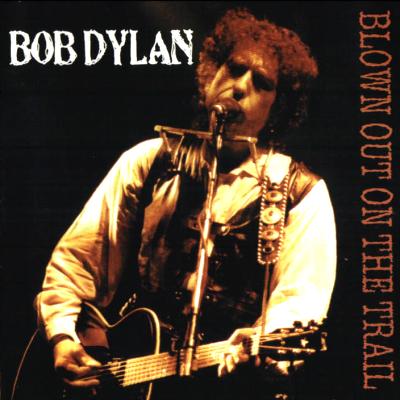
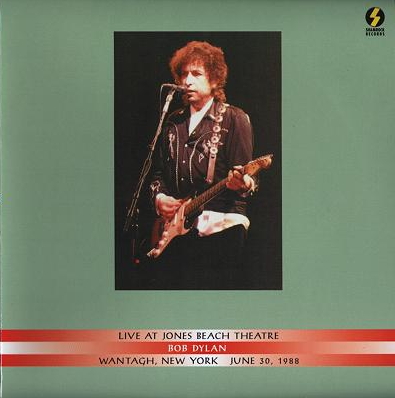
A very good 88-concert and the sound on the circulating soundboard tape is incredible.
It is concert #15 of the Never Ending Tour & this tour is “labeled” the Interstate 88 Tour, part 1.
#10 – Eileen Aroon
I know a valley fair,
Eileen Aroon
I know a cottage there
Eileen Aroon
Far in the valley shade I know a tender maid
Flow’r of the hazel glade, Eileen Aroon
#3 – You’re A Big Girl Now
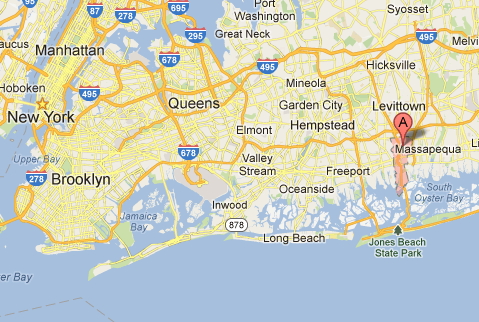
Wantagh, New York
Wantagh (pronounced /WAHN-taw/) is a hamlet and census-designated place (an unincorporated section of the town of Hempstead) in Nassau County on Long Island, New York, United States. The population of Wantagh was 18,871 at the time of the 2010 census.
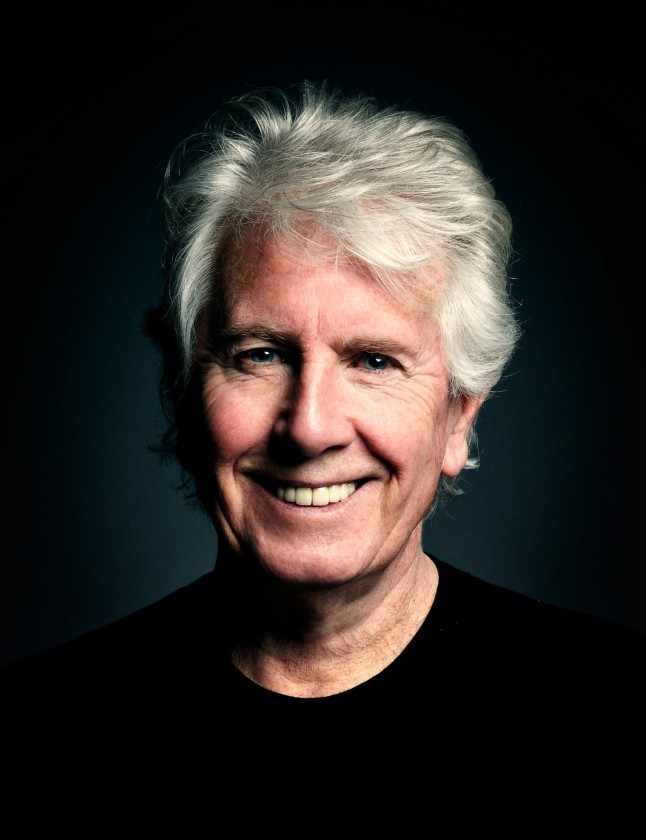
Graham William Nash, (born 2 February 1942) is known for his light tenor voice and for his songwriting contributions with the British pop group The Hollies, and with the super group Crosby, Stills, Nash & Young. Nash is also a photography collector and a published photographer. Nash was inducted to the Rock and Roll Hall of Fame as a member of Crosby, Stills & Nash in 1997 and as a member of The Hollies in 2010.
In the early 1960s he was co-founder with schoolfriend Allan Clarke of The Hollies. Nash was a leading ‘group figurehead’ member of The Hollies, one of the UK’s most successful pop and “British Invasion” groups. Nash wrote or co-wrote many of the band’s original songs, most often early on in collaboration with Allan Clarke and also then together with Tony Hicks up to Nash’s departure from the band in December 1968.
Teach your Children:
Nash initially met both David Crosby and Stephen Stills in 1966 among a group of American musician friends during a Hollies USA tour. In 1968, after a further visit to the US during which he met David Crosby in Laurel Canyon, Los Angeles, California, Nash left The Hollies to form a new group with Crosby and Stephen Stills. A threesome at first, Crosby, Stills & Nash later became a foursome with Neil Young: Crosby, Stills, Nash & Young (CSNY). With them, Nash went on to even greater worldwide success.
Simple Man:
Crosby, Stills, Nash & Young lasted long enough as a performing unit for one major national tour and a live follow-up album before the members went their separate ways. Nash emerged from the chaos of the quartet’s demise as a star in his own right and found a major audience for his music. There have been quite a few reunions.
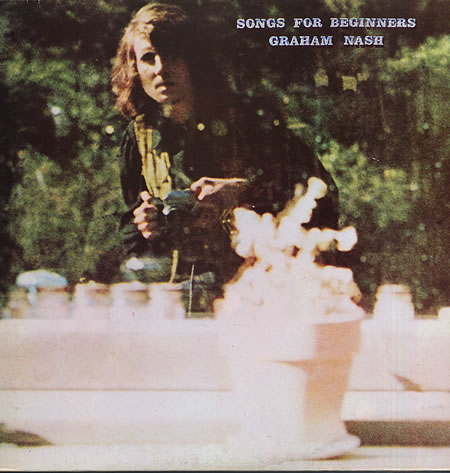
The album of the day is his solo debut, Songs for beginners from 1971:
“You never need nobody You’ve never been alone And I try to get your affection And all I ever do is wrong”
Brooklyn Country Music.
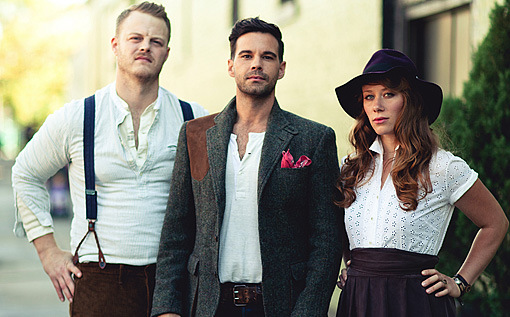
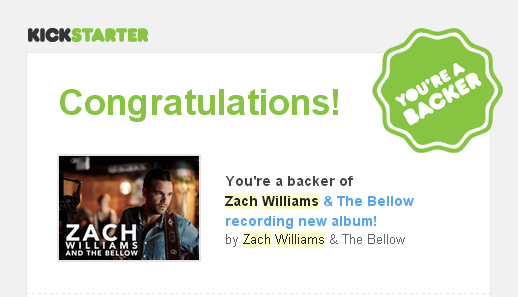
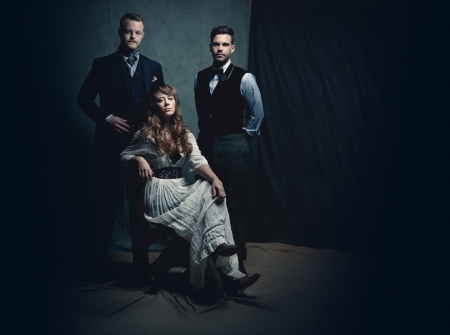
Brooklyn band the Lone Bellow has just released their self-titled album, and what an album it is! I was part of the Kickstarter campaign to fund the production of the album. It is one of the best results of a Kickstarter campaign I’ve had the pleasure of taking part in.
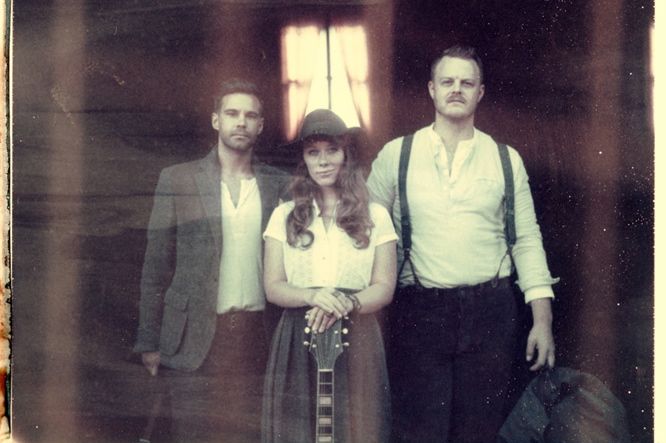
As you can see the band had a slightly different name before the record was released, by the time the impressive debut album, Williams had dropped his name from the billing. From now on they are known as The Lone Bellow. The three piece consists of lead singer and songwriter Zach Williams, mandolinist Kanene Pipkin, and guitarist Brian Elmqust. They formed in Brooklyn but they can all trace their roots music sensitivity to their Southern heritage.
You never need nobody (live on Conan):
Williams have released some albums (4?) in the last 6 years, I’ve only heard one of his solo efforts and it was interesting and quite good but I must say that The Lone Bellow is a big step in the right direction.
This is the first truly great album of 2013!
Bleeding Out (live):
In the changing climate of popular music, into a more folksy/indie move, The Lone Bellow will fit in very nicely. They’re like a more countryfied Arcade Fire, or a more anthemic Avett Brothers. They are saviours of pop music, they are musicians who master their craft. We can feel the joy of playing together, creating music, hell, creating art!
Lead singer Zach Williams writes songs that has a melancholy feel in a manner that conveys resolution and commitment. These are feelings derived from Zach William’s life experiences. In 2005 his wife broke her neck in an accident shortly after they were married and was temporarily paralyzed. Williams came through this experience stronger and more determined than ever, he wrote these great tunes that have strong undercurrents of faith and hope. Good music from bad experiences, who would ever imagine that, eh? Lucky for us, he chose to channel his feelings into his music.
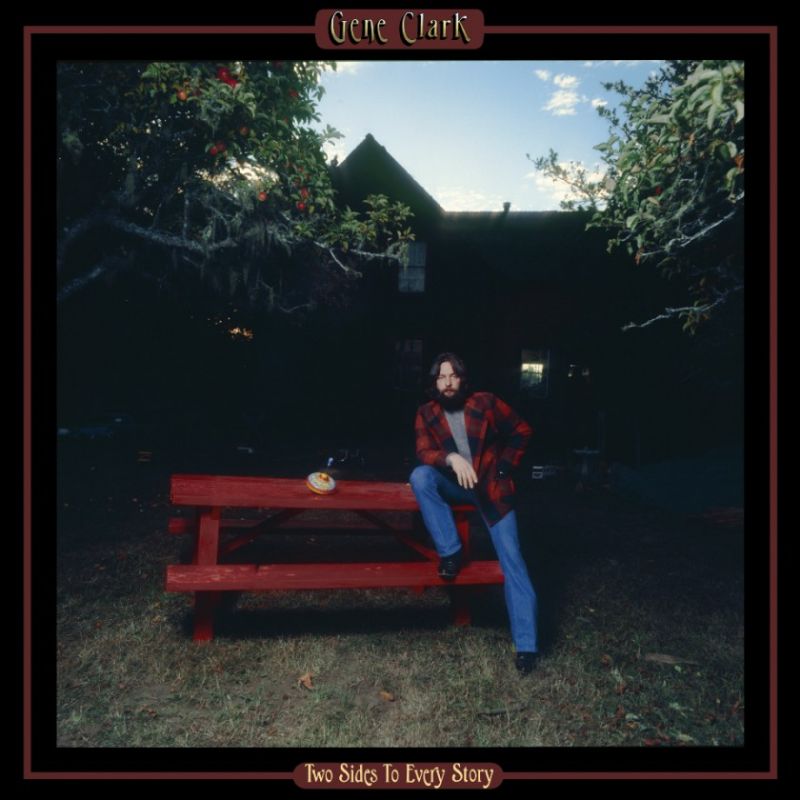
Gene Clark will always be best remembered for years as a vocalist with the Byrds. A fine legacy to be sure, but the shame of it is that there was far more to Clark’s body of work than that; he was a superb songwriter, one of the founding fathers of country-rock, and recorded a number of fine albums with an impressive array of collaborators whose quality far outstripped their modest sales figures. (Read more at allmusic.com)
This is an album that has been difficult to get. But now it is finally beeing rereleased on cd (according to Uncut magazine), it was planned released in the summer of 2011, sadly it didn’t happen. I’m hoping all legal issues have been solved now, and that we finally can get a new and, hopefully, remastered version of this forgotten masterpiece. Update: I read somewhere that august 2013 is the new release month for the re-issue, fingers crossed!
Edit: I have done a bit research on different releases, and there appears to have been at least two cd releases before. Well, I cannot find them and have to wait for the much talked about re-release.
I have an old vinyl lp that I have ripped to digital format (I have put the record player away on the loft somewhere…), it doesn’t sound as good but it’s what I got at the moment. I really look forward to getting the re-issue.
Allmusic:
Two Sides was Gene Clark’s last solo album for a major label. Signed to RSO Records shortly after his wildly experimental (and occasionally engaging) 1974 Elektra album, No Other, which is often cited as his masterpiece, Clark and producer Thomas Jefferson Kaye released this. Two Sides is a much lower-key affair, and it succeeds on many more levels than the more heralded No Other. Clark’s explorations into country music are much more at home on this album, as tracks such as “Mary Lou” and “Kansas City Southern” demonstrate. Oddly, one of the highlights of this record is a non-Clark composition, the traditional “In the Pines,” which showcases Clark’s brilliant (and underrated) vocal ability. The following year would see Clark team up with ex-Byrd mates Roger McGuinn and Chris Hillman on the forgettable McGuinn, Clark & Hillman project. Two Sides shows Clark in full command of his awesome gifts. Essential for Gene Clark enthusiasts.
– Matthew Greenwald
Two Sides To Every Story came out in January 1977 (exact date ?), and for the most part offered more characteristic Gene Clark country-rock. The ballads are the highlights on the records, especially “Give my love to Marie”, “Hear the wind” and the last two songs on the album are outstandig.
Track listing
“Home Run King” (Clark)
“Lonely Saturday” (Clark)
“In the Pines” (Traditional)
“Kansas City Southern” (Clark)
“Give My Love to Marie” (James Talley)
“Sister Moon” (Clark)
“Marylou” (Obie Jessie, Sam Ling)
“Hear the Wind” (Clark)
“Past Addresses” (Clark)
“Silent Crusade” (Clark)
Give My Love to Marie:
The Critics then didn’t fare well with the album, they were , as always, extremeley negative towards Gene Clark. This didn’t help with his self esteem, and the terrible review in Rolling Stone must have felt like the last nail in the coffin of his career. He never released an album on a major label after this.
Rolling Stone Magazine:
To those who admire Gene Clark, Two Sides to Every Story is a heartbreaker—in the worst way. (“Is this the dullest album ever made?” was my original opening sentence. “Probably” would have been the second.) Lugubrious to the point of laughableness, the once-classy Clark creeps through a series of Gibranian ballads that is so Antonioni-slow the songs actually seem to stop. Dead. Like this. Bereft of either interest or ideas, this plodding work can only be described as California-liturgidical.
Interlarded among the endlessness are some lame bluegrass (“Home Run King,” “In the Pines”), listless rock & roll (“Marylou”) and the worst train song ever (“Kansas City Southern”). Producer Thomas Jefferson Kaye is a great help, offering an interminable supply of nothing but the moldiest clichés.
This is terribly unjust and a review that is not possible to understand when listening to the album. This is an undiscovered treasure, a record that sometimes even surpasses No Other, his masterpiece.
Uncut Magazine:
Even with the chaos and missteps, this is a record that overcomes its flaws, offering moments of hard-won beauty and open-hearted grandeur from an artist fighting for his career.
Sister Moon (audio) with Emmylou Harris:
Featured guest musicians include Emmylou Harris, Byron Berline, Doug Dillard and Al Perkins. Like most of Clark’s albums, it failed to get far on the charts.
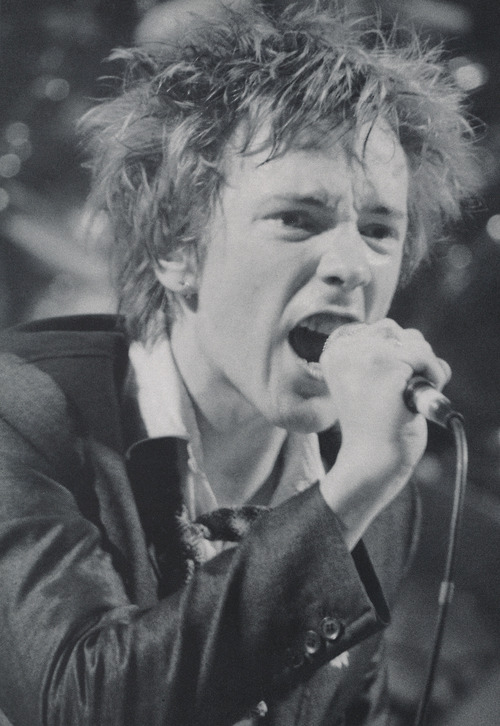
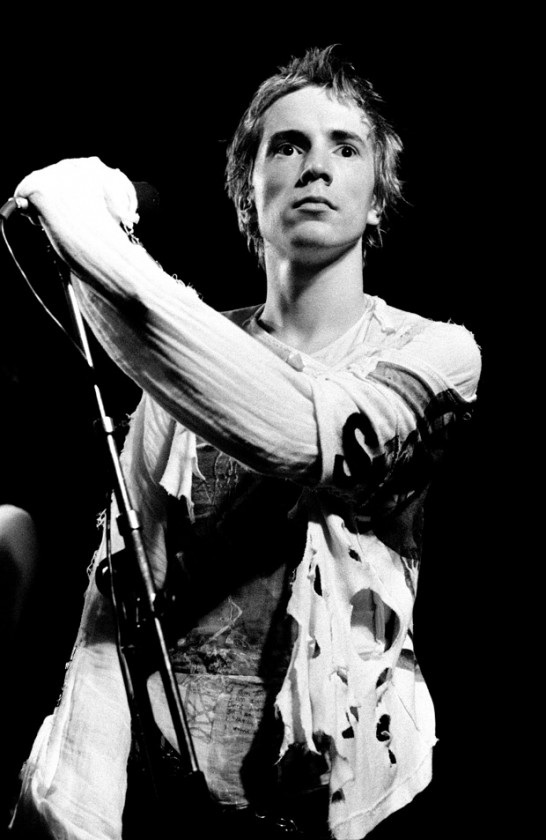
John Joseph Lydon (born 31 January 1956), also known by the former stage name Johnny Rotten, is a singer-songwriter and television presenter, best known as the lead singer of punk rock band the Sex Pistols from 1975 until 1978, and again for various revivals during the 1990s and 2000s. He is the lead singer of the post-punk band Public Image Ltd (PiL), which he founded and fronted from 1978 until 1993, and again from 2009.
Throughout his career, Lydon has made controversial or dismissive comments about the royal family and other subjects. There has been a recent revival of a 1980s movement to have Lydon knighted for his achievements with the Sex Pistols – even though he has since turned down an MBE for his services to music. In 2002 he was named among the 100 Greatest Britons following a UK-wide vote. Q Magazine remarked that “somehow he’s assumed the status of national treasure.”
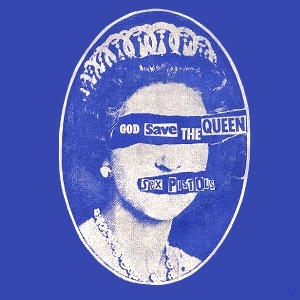
Lydon’s personally crafted image and fashion style led to him being asked to become the singer of the Sex Pistols by their manager, Malcolm McLaren. With the Pistols, he penned singles including “Anarchy in the U.K.”, “God Save the Queen” and “Holidays in the Sun”, the content of which precipitated the “last and greatest outbreak of pop-based moral pandemonium” in Britain. The band caused nationwide uproar in much of the media, who objected to the content of Lydon’s lyrics, and their antics, which included swearing on live television, in which Steve Jones called Bill Grundy a “fucking rotter”.
Due to the band’s appearance in the media, Lydon was largely seen as the figurehead of the punk movement in the public image although this idea was not widely supported amongst the punk movement itself. Despite the negative reaction that they provoked, they are now regarded as one of the most influential acts in the history of popular music.
Lydon left the Pistols in 1978 to found his own band, Public Image Ltd, that was far more experimental in nature, and which has been described as “arguably the first post-rock group”. Although never as commercially successful as the Pistols, the band produced eight albums and a string of singles, including “Public Image”, “Death Disco”, and “Rise”, before they went on hiatus in 1993, reforming in 2009. PiL released their latest album in 2012. In subsequent years, Lydon hosted a number of television shows in the UK, US and Belgium, as well as writing an autobiography, Rotten: No Irish, No Blacks, No Dogs (1993), and producing some solo musical work, such as the album Psycho’s Path (1997). (Read more on Wikipedia)
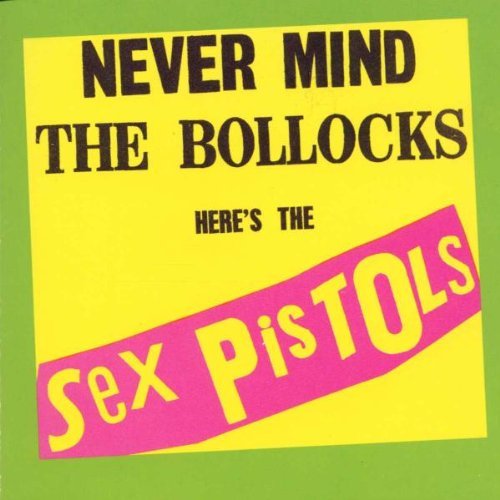
Today’s album is, not surprisingly, Never Mind The Bollocks, Here’s The Sex Pistols: