Señor, señor, do you know where we’re headin’?
Lincoln County Road or Armageddon?
Seems like I been down this way before
Is there any truth in that, señor?
Señor, señor, do you know where she is hidin’?
How long are we gonna be ridin’?
How long must I keep my eyes glued to the door?
Will there be any comfort there, señor?
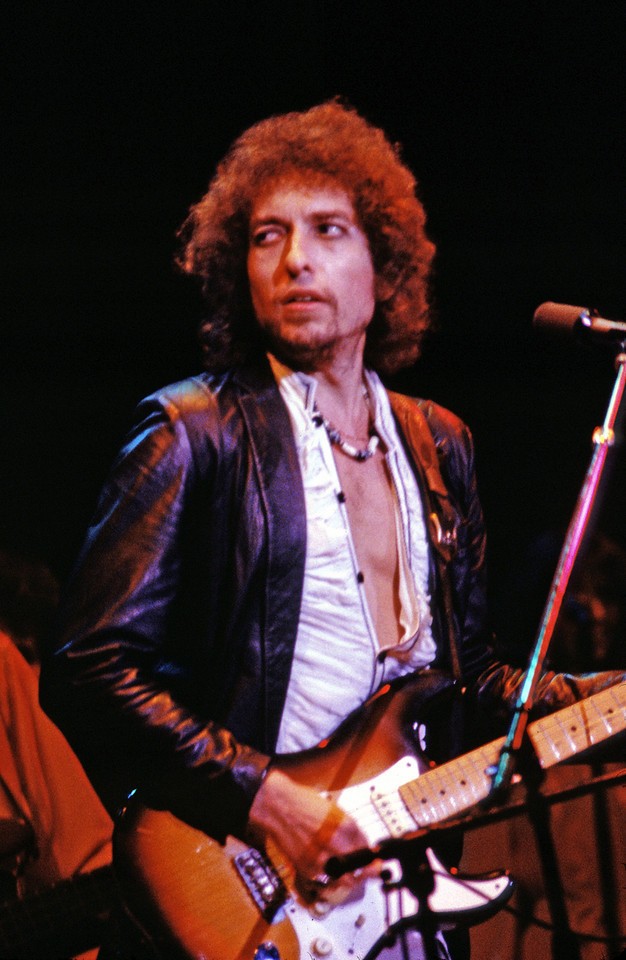
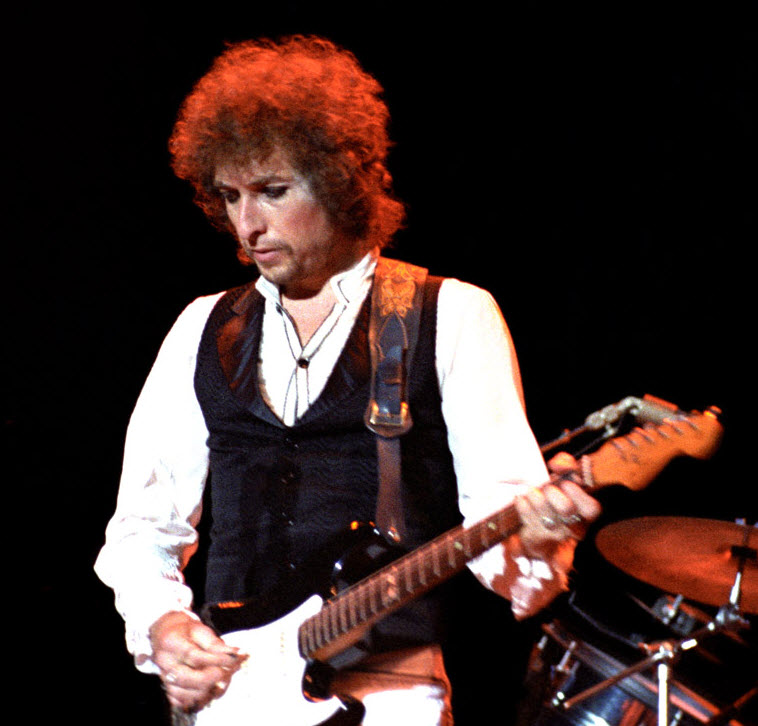
A Great song from Street-Legal (1978).
Dylan has performed it ~250 times live, top year was 1978 with 77 performances.
–
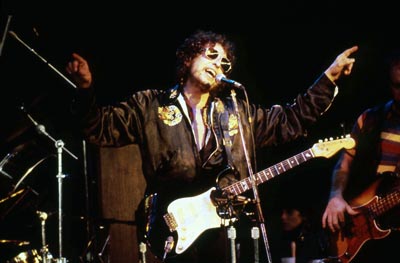
Universal Amphitheater
Los Angeles, California
7 June 1978
10 Good cover versions of Bob Dylan’s Christian songs
I love the “Christian period” in Dylan’s career, always have. In the beginning I felt quite alone in my belief in Dylan, but now he is finally getting recognised for his faith-based songs. The Bob Dylan records from that period are so much better than the critics at the time wrote, they were simply too shocked by his conversion to see the beauty in the songs. I have to say that not all critics were harsh, some recognised quality.
And so what if he’s taken up with the God of Wrath? Since when have you been so crazy about the God of Love? Or any other species of hippie bullshit?
– Robert Christgau
First his live shows from these years got well deserved praise and now finally the albums. They might not be among his best by Dylan’s standard, but by anyone else’s they’re actually quite decent!
Here are evidence that the songs are solid Bob Dylan compositions. I have tried not to only include gospel choirs, there are a lot of performances I could have chosen, but instead I’ve tried to show how the songs work in different styles.
Live 1966: The “Royal Albert Hall” Concert is a two-disc live album by Bob Dylan, released in 1998. It was recorded at the Manchester Free Trade Hall during Dylan’s world tour in 1966. Extensively bootlegged for decades, it is an important document in the development of popular music during the 1960s.
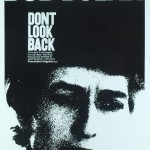
Dont Look Back is a 1967 film by D.A. Pennebaker that covers Bob Dylan’s 1965 concert tour in the United Kingdom.In 1998, the film was selected for preservation in the United States National Film Registry by the Library of Congress as being “culturally, historically, or aesthetically significant”. Wanting to make more than just a concert film, Pennebaker decided to seek out both the public and private Bob Dylan. With unobtrusive equipment and rare access to the elusive performer, he achieved a fly-on-the-wall glimpse of one of the most influential musicians of all time and redefined filmmaking along the way. …and it is funny!
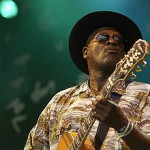
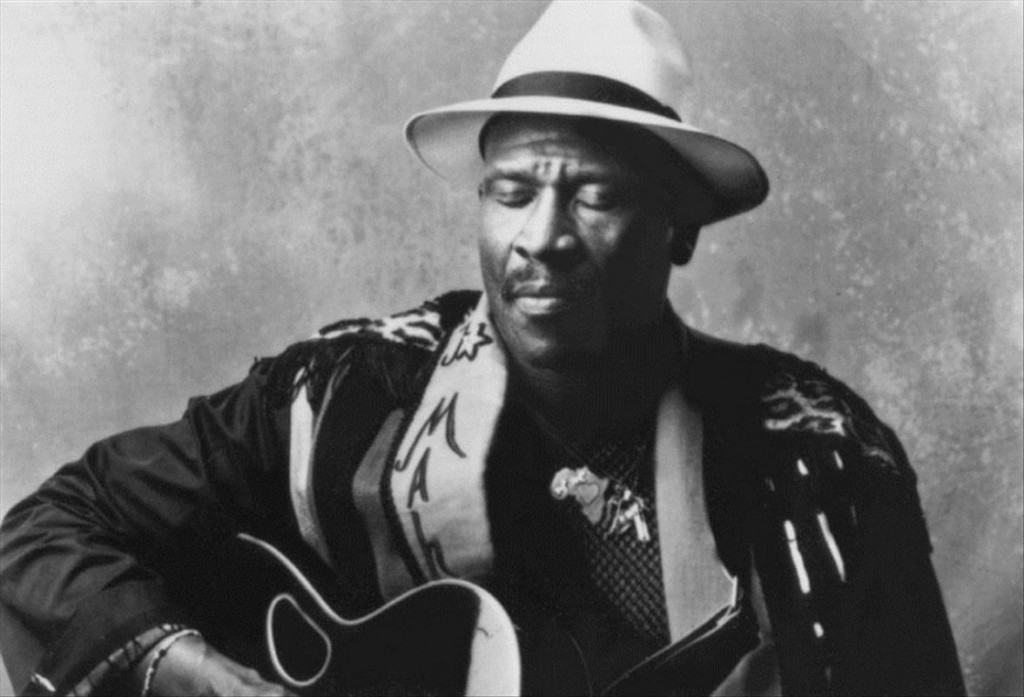
Henry Saint Clair Fredericks (born May 17, 1942),who uses the stage nameTaj Mahal,is an American Grammy Award winning blues musician. He incorporates elements of world music into his music. A self-taught singer-songwriter and film composer who plays the guitar, banjo and harmonica (among many other instruments),Mahal has done much to reshape the definition and scope of blues music over the course of his almost 50 year career by fusing it with nontraditional forms, including sounds from the Caribbean, Africa and the South Pacific.
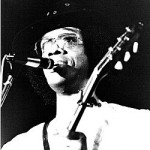
Johnny “Guitar” Watson (February 3, 1935 – May 17, 1996)was an American blues and funk guitarist and singer.A flamboyant showman and guitar picker in the style of T-Bone Walker, Watson recorded throughout the 1950s and 1960s with some success. His raunchy reinvention in the 1970s with disco and funk overtones, saw Watson have hits with “Ain’t That a Bitch”, “I Need It” and “Superman Lover”. His successful recording career spanned forty years, with his biggest hit being the 1977 “A Real Mother For Ya”.
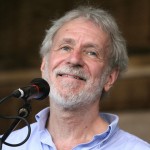
James Ridout “Jesse” Winchester (May 17, 1944 – April 11, 2014)was an American musician and songwriter who was born and raised in the southern United States. To avoid the Vietnam War draft he moved to Canada in 1967, where he began his career as a solo artist. His highest charting recordings were of his own tunes, “Yankee Lady” in 1970 and “Say What” in 1981. He became a Canadian citizen in 1973, gained amnesty in the U.S. in 1977 and resettled there in 2002.
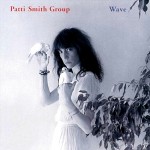
Wave is an album by the Patti Smith Group, released May 17, 1979The title track was a tribute to Pope John Paul I, whose brief papacy coincided with the recording sessions. The first single off the album was “Frederick”, a love song for her husband-to-be Fred “Sonic” Smith with a melody and structure bearing resemblance to “Because the Night”, the group’s biggest hit. The second single, “Dancing Barefoot”, has been covered by many art
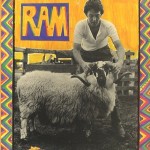
Ram is a studio album by recording artists Paul and Linda McCartney, released 17 May 1971 on Apple Records.The album was recorded amid Paul McCartney’s legal action in Britain’s High Court to dissolvethe Beatles‘ partnership, following their break-up the year before. The only album credited to the couple, Ram was the second of two albums that McCartney released between quitting the Beatles and forming his own band, Wings. He and Linda recorded it in New York with guitarists David Spinozza and Hugh McCracken, and future Wings drummer Denny Seiwell. Its release coincided with a period of bitter acrimony between McCartney and his former bandmate John Lennon, who perceived verbal slights in the lyrics to songs such as “Too Many People“.
Bob Dylan and Taj Mahal – Happy birthday bluesman Taj Mahal
Henry Saint Clair Fredericks (born May 17, 1942),who uses the stage name Taj Mahal, is an American Grammy Award winning blues musician. He incorporates elements of world music into his music. A self-taught singer-songwriter and film composer who plays the guitar, banjo and harmonica (among many other instruments), Mahal has done much to reshape the definition and scope of blues music over the course of his almost 50 year career by fusing it with nontraditional forms, including sounds from the Caribbean, Africa and the South Pacific.
He has done some Dylan songs, and he add his own signature to his interpretations. I have also included a short show with George Harrison, Bob Dylan, John Fogerty and Taj Mahal.
Taj Mahal & The Phantom Blues Band – Bob Dylan’s 115th Dream (Audio from the Amnesty album, Chimes Of Freedom: The Songs Of Bob Dylan Honoring 50 Years Of Amnesty International):
I still write songs the same way I always did: I get a first line, the words and the tune together, and then I work out the rest wherever I happen to be, whenever I have time. If it’s really important, I’ll just make the time and try to finish it.
~To John Rockwell, Jan 1974
The saddest thing about songwriting is when you get something really good and you put it down for a while, and you take for granted that you’ll be able to get back to it with whatever inspired you to do it in the first place – well, whatever inspired you to do it in the first place is never there anymore. So then you’ve got to consciously stir up the inspiration to figure what it was about. Usually you get one good part and one not-sogood part, and the not-so-good wipes out the good part.
~To Bill Flanagan March 1985