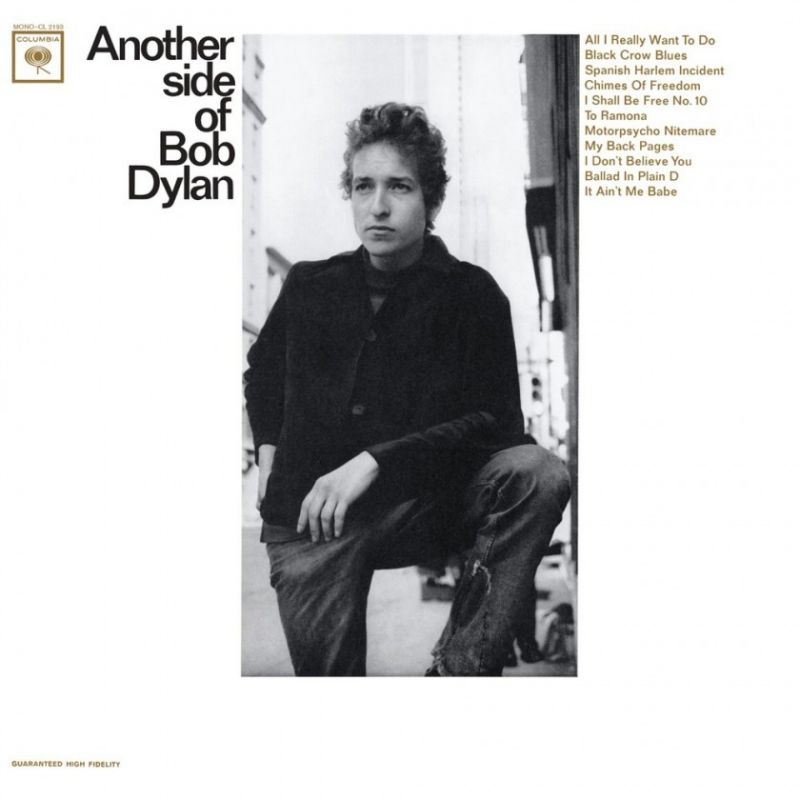
“I wrote my fourth album [“Another Side of Bob Dylan”] in Greece, but that was still an American album.”
~Bob Dylan (to Robert Shelton June 1978)
–
“Tom Wilson, the producer, titled it that,” [Another Side of Bob Dylan] “I begged and pleaded with him not to do it. You know, I thought it was overstating the obvious. I knew I was going to have to take a lot of heat for a title like that and it was my feeling that it wasn’t a good idea coming after The Times They Are A- Changin’, it just wasn’t right. It seemed like a negation of the past which in no way was true. I know that Tom didn’t mean it that way, but that’s what I figured that people would take it to mean, but Tom meant well and he had control, so he had it his way. I guess in the long run, he might have been right to do what he did. It doesn’t matter now.”
~Bob Dylan (to Cameron Crowe Sept. 1985)
–
In May Dylan went to London for a concert at the Royal Festival Hall. Afterwards he and Victor Maimudes visited Paris and a small town in Greece, where Dylan worked on songs for his next album. Back in New York, June· 9, 1964, Dylan went into the recording studio with Tom Wilson, a couple of bottles of wine, and a small crowd of friends, and recorded his entire fourth album, Another Side of Bob Dylan, in a single evening.
~Paul Williams (Bob Dylan Performing Artist I: The Early Years 1960-1973)
The heavyweight music press was full of praise for the Wembley show. “Oh yes: this was a rejuvenated Dylan,” Melody Maker’s Allan Jones concluded, “the master in all his raging glory. Unforgettable, unsurpassable.” NME’s Gavin Martin enthused: “Tonight all the images of Dylan fused into the crucible of his raw genius …. Poet, seer, mystic, iconic rocker, ravaged salvationist, virulent misanthrope – such descriptions are paltry. The meaning of the songs weren’t simply buried in nostalgia or in the lyrics, it was in the way he played with inflections and the sounds of the words, the way he changes the timbre of his voice
to exact the most from the frazzling guitar cauldron or the weird, disfigured acoustic interludes … tonight he proved that on form he was still unimpeachable, miles ahead of pretenders both young and old.”
~Andrew Muir (One More Night)
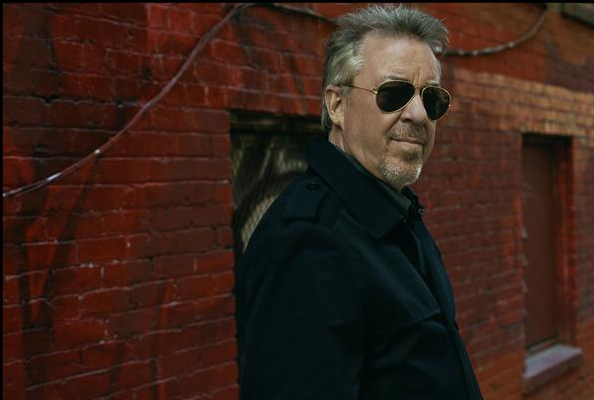
William Royce “Boz” Scaggs (born June 8, 1944) is an Americansinger, songwriter and guitarist. He gained fame in the 1960s as a guitarist and sometime lead singer with the Steve Miller Band, and in the 1970s with several solo Top 20hit singles in the United States, including the well-known hits “Lowdown” and “Lido Shuffle” from the critically acclaimed album Silk Degrees, which peaked at #2 on the Billboard Hot 100. Scaggs continues to write, record music and tour.
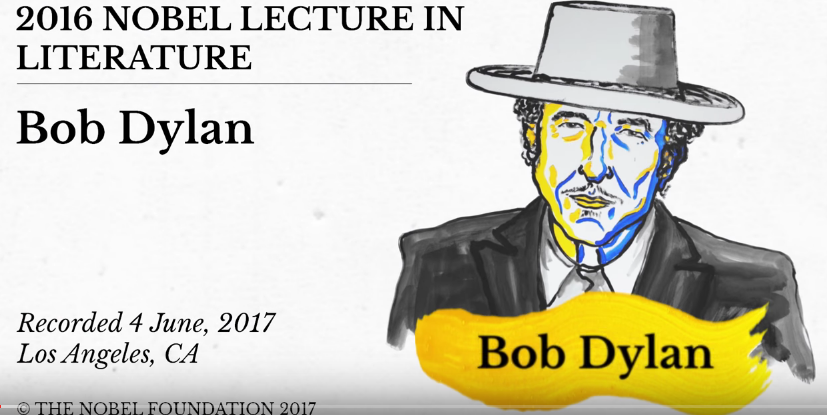
When I first received this Nobel Prize for Literature, I got to wondering exactly how my songs related to literature. I wanted to reflect on it and see where the connection was. I’m going to try to articulate that to you. And most likely it will go in a roundabout way, but I hope what I say will be worthwhile and purposeful.
He finally delivered a 4000-word long lecture and the Nobel Prize for Literature (and the prize money) is officially his.

)