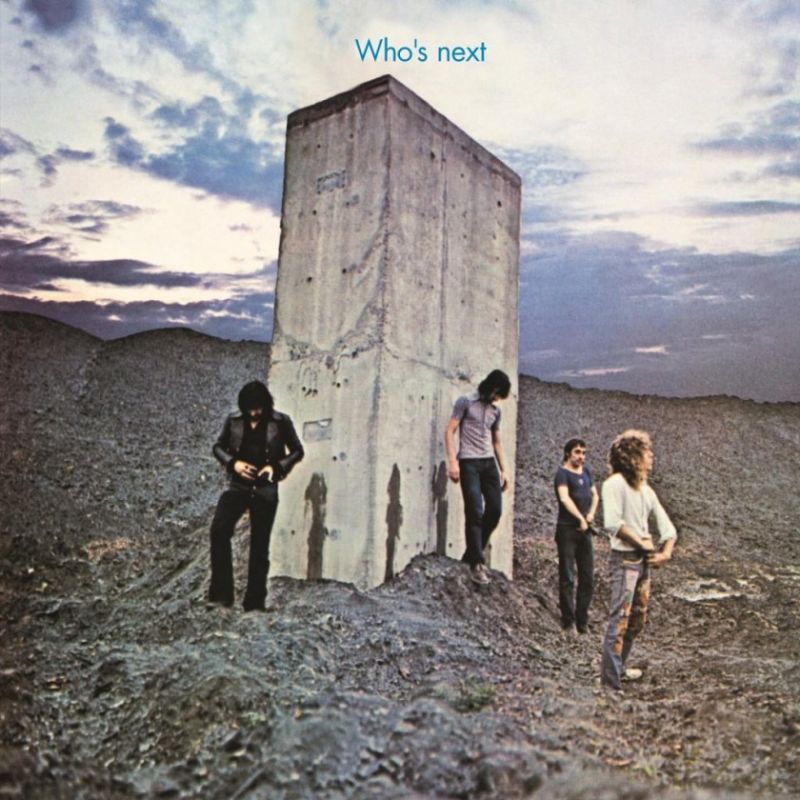
With its acoustic guitars and drumless bits, this triumph of hard rock is no more a pure hard rock album than Tommy. … And… it uses the synthesizer to vary the power trio format, not to art things up.
~Robert Christgau
–
On Who’s Next, the band crossed that line with power and grace. The album spawned the concert classics “Baba O’Riley” and “Won’t Get Fooled Again”; the great Daltrey vocal vehicles “Bargain” and “Song Is Over”; Entwistle’s scorching, anxiety-ridden “My Wife”; and Townshend’s most delicate song on record, “Behind Blue Eyes.” On Who’s Next, Townshend unleashed the power of the synthesizer as a rock & roll instrument, to be used like guitar or bass rather than as a special-effects novelty.
~The New Rolling Stone Album Guide (rollingstone.com)
August 14: David Crosby is 73 Happy Birthday – top 11 songs (read more)David Van Cortlandt Crosby (born August 14, 1941)
American guitarist, singer, and songwriter. In addition to his solo career, he was a founding member of three bands: The Byrds; Crosby, Stills & Nash (CSN, who are sometimes joined by Neil Young as Crosby, Stills, Nash and Young [CSNY]); and CPR.
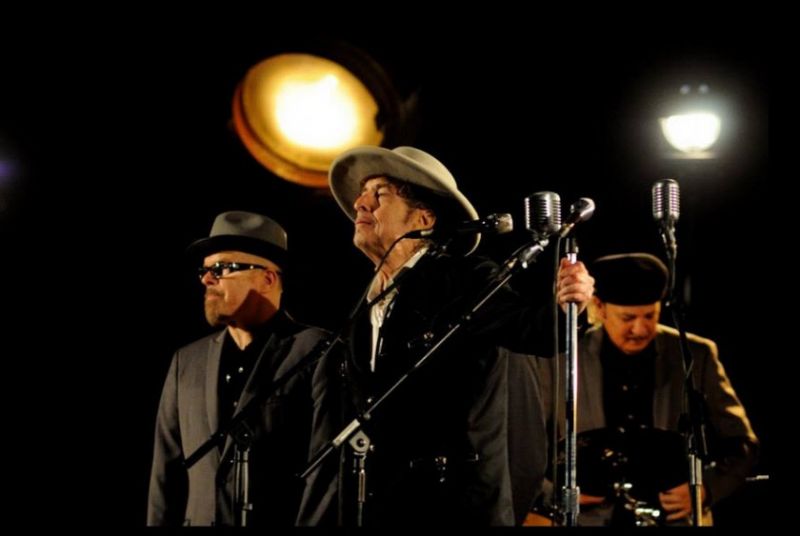
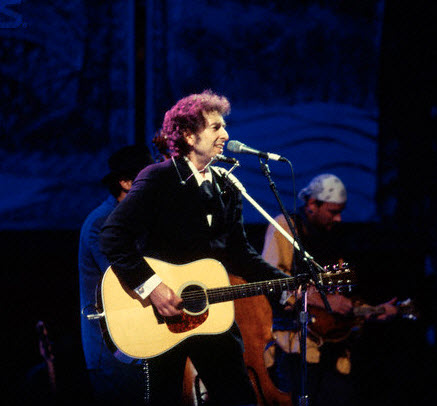
The whole performance, with the sound so well mixed and the band so good that night, argues that the mid-1990s Bob Dylan can stand in the same room with the Dylans of the past. He is alive, alert, fully into his jazz-improvisational vocals and making some wonderful noises: and not imitating himself but singing—phrasing—afresh. Woodstock II is a real performance.
-Michael Gray (The Bob Dylan Encyclopedia)
—
For once, Dylan responds to the importance of the event by delivering a tight, powerful set.
~Clinton Heylin (Bob Dylan: A Life in Stolen Moments Day by Day 1941-1995)
Connie Smith (born Constance June Meador; August 14, 1941) is an American country music artist. Active since 1964, Smith is widely considered to be one of the genre’s best female vocalists. She has earned 11 Grammy awardnominations, 20 top ten Billboard country singles, and 31 charting albums, three of which have hit number one. On October 21, 2012, Smith became the 12th solo female vocalist and 19th woman to be elected to the Country Music Hall of Fame.
Roy Buchanan (September 23, 1939 – August 14, 1988) was an American guitarist and blues musician. A pioneer of the Telecaster sound, Buchanan was a sideman and solo artist, with two gold albums early in his career, and two later solo albums that made it on to the Billboard chart. Despite never having achieved stardom, he is still considered a highly influential guitar player. Guitar Player praised him as having one of the “50 Greatest Tones of all Time.”
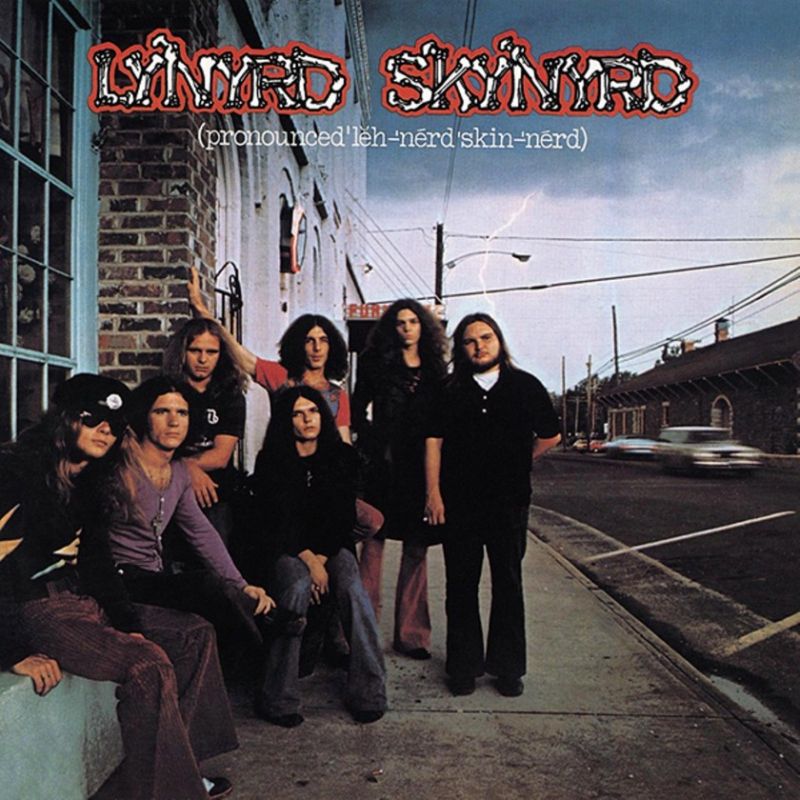
(Pronounced ‘lĕh-’nérd ‘skin-’nérd) is the debut album from Lynyrd Skynyrd, released August 13, 1973. The album features several of the band’s most well-known songs, including “Gimme Three Steps”, “Simple Man”, “Tuesday’s Gone” and “Free Bird”, the latter of which launched the band to national stardom.
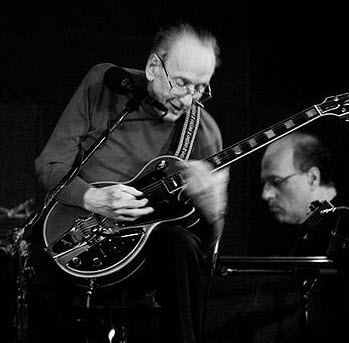
Lester William Polsfuss (June 9, 1915 – August 13, 2009) —known as Les Paul—was an American jazz, country and blues guitarist, songwriter and inventor. He was the inventor of the solid-body electric guitar which made the sound of rock and roll possible. He is credited with many recording innovations. Although he was not the first to use the technique, his early experiments with overdubbing (also known as sound on sound), delay effects such as tape delay, phasing effects and multitrack recording were among the first to attract widespread attention.His innovative talents extended into his playing style, including licks, trills, chording sequences, fretting techniques and timing, which set him apart from his contemporaries and inspired many guitarists of the present day. He recorded with his wife Mary Ford in the 1950s, and they sold millions of records.
He is, arguably, the most underrated of all the ’60s soul performers associated with Atlantic Records, although his records were more likely than those of most soul stars to become crossover hits.
~Dave Marsh
–
..Before and after he became a Black Muslim minister, this East Texas moralist-jokester mixed such timeless trifles as “Skinny Legs and All” (God, don’t you even remember that one?) and “Ain’t Gonna Bump No More (With No Big Fat Woman)” (a lucky last gasp occasioning a luckier album that came out for “sissies”) with a good-humored country wisdom that rivaled Smokey’s urban variant for pith and empathy.
~Robert Christgau
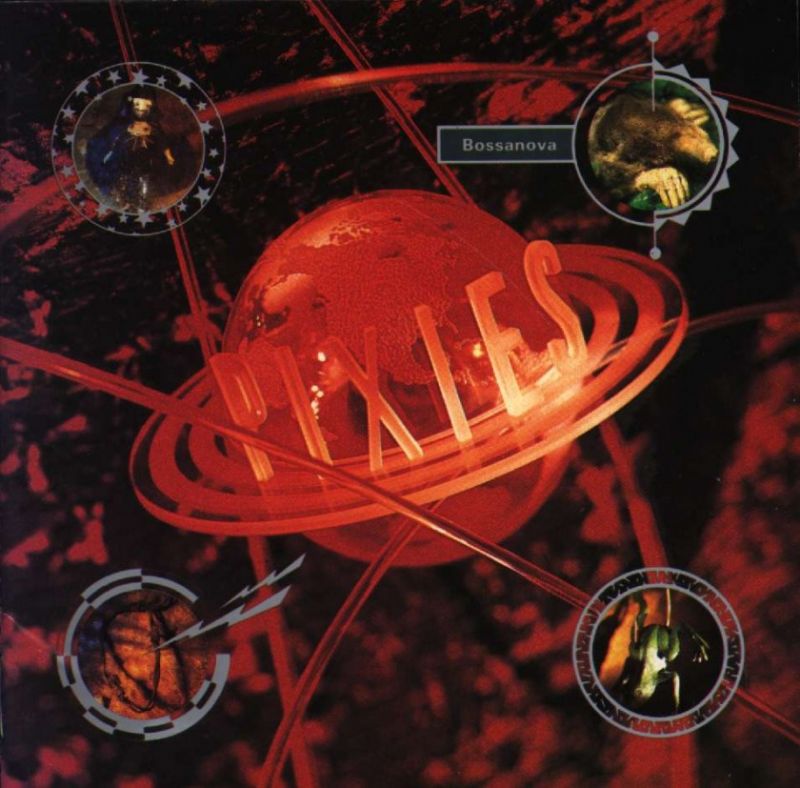
Bossanova is the third album by the American alternative rock band Pixies, released August 13, 1990 on the English independent record label 4AD in the United Kingdom and by Elektra Records in the United States. All of Bossanova‘s original material was written by the band’s frontman Black Francis; it marked the point where his artistic control over the band became absolute. The album’s sound, inspired by surf and space rock, complements its lyrical focus on outer space, which references subjects such as aliens and unidentified flying objects.
“Eccentric and quirky are the best ways to describe the Eels’ debut effort, Beautiful Freak. Concise pop tunes form the backbone of the album, yet tinges of despair and downright meanness surface just when you’ve been lulled into thinking this is another pop group, as titles like “My Beloved Monster,” “Your Lucky Day in Hell” and “Novocaine for the Soul” indicate.”
– Review by James Chrispell (allmusic)
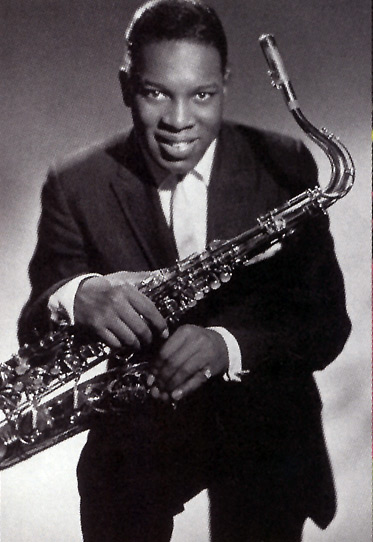
Curtis Ousley (February 7, 1934 – August 13, 1971), who performed under the stage name King Curtis, was an American saxophone virtuoso known for rhythm and blues, rock and roll, soul, funk and soul jazz. He was adopted, alongside with his adopted sister, Josephine Ousley Allen. They both grew up in Texas, together. Variously a bandleader, band member, and session musician, he was also a musical director and record producer. Adept at tenor, alto, and soprano saxophone, he was best known for his distinctive riffs and solos such as on “Yakety Yak”, which later became the inspiration for Boots Randolph’s “Yakety Sax” and his own “Memphis Soul Stew”.
He is, arguably, the most underrated of all the ’60s soul performers associated with Atlantic Records, although his records were more likely than those of most soul stars to become crossover hits.
~Dave Marsh
..Before and after he became a Black Muslim minister, this East Texas moralist-jokester mixed such timeless trifles as “Skinny Legs and All” (God, don’t you even remember that one?) and “Ain’t Gonna Bump No More (With No Big Fat Woman)” (a lucky last gasp occasioning a luckier album that came out for “sissies”) with a good-humored country wisdom that rivaled Smokey’s urban variant for pith and empathy.
~Robert Christgau
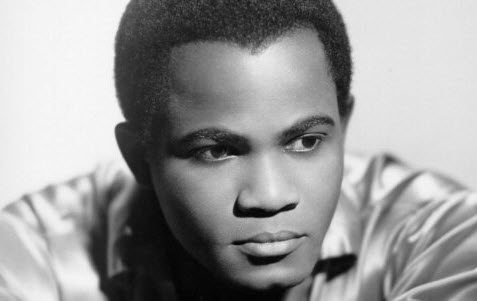
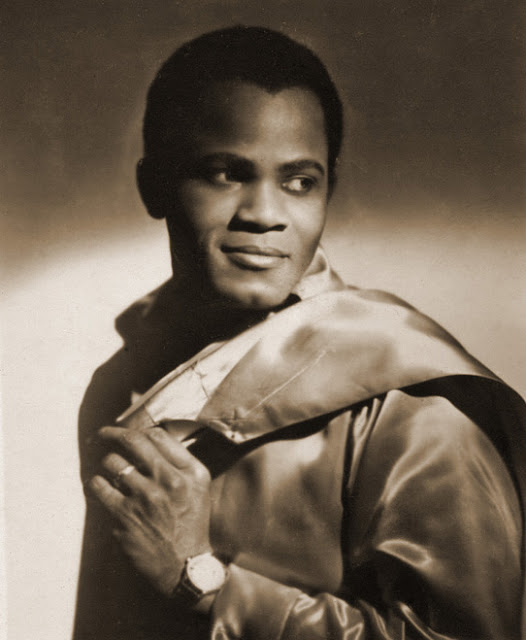
Although they are often viewed as diametric opposites, soul and country music are really flip sides of the same coin, and the two genres have greatly influenced one another. With his hillbilly name and trademark ten-gallon Stetson hat, Joe Tex was perhaps the most conspicuous musician to blur this generic and racial boundary. Like many soul singers (Al Green, Ray Charles, Isaac Hayes, to name a few) Tex was a fan of Hank Williams and wanted to be a country singer. Despite the fact that many country artists were taught by black musicians, Tex was unable to cross the country’s colour barrier, and he became a soul singer instead.
~The Rough Guide to Soul & R&B
Hold On What You’ve Got (the fantastic original version):
Tex recorded his first hit, “Hold On To What You’ve Got”, in November 1964 at FAME Studios in Muscle Shoals, Alabama. Tex was not convinced the song would be a hit and advised Killen not to release it. However, Killen felt otherwise and released the song in early 1965. By the time Tex got wind of its release, the song had already sold 200,000 copies. The song eventually peaked at #5 on the Billboard Hot 100 and became Tex’s first number-one hit on the R&B charts, staying on the charts for 11 weeks and selling over a million copies by 1966. (wikipedia)