All posts by Egil

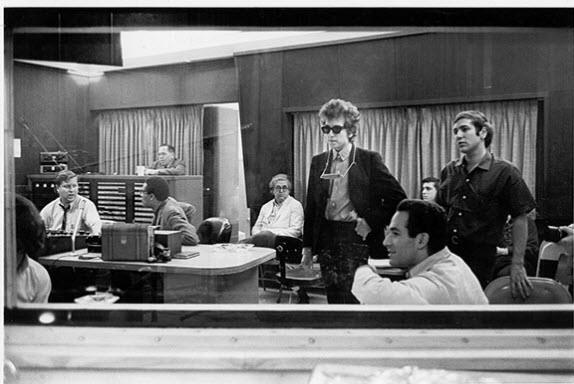
Today: Bob Dylan – The third recording session for Highway 61 Revisited in 1965 – 48 years ago

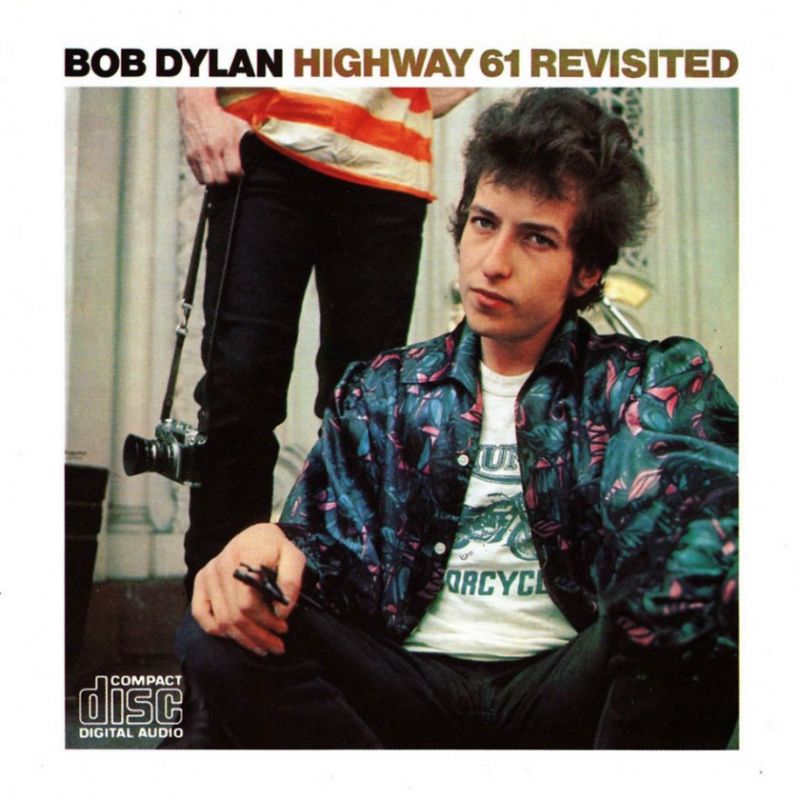
bob_dylan-highway_61_revisited-frontal

“I never wanted to write topical songs,…. Have you heard my last two records, Bringing It All Back Home and Highway 61? It’s all there. That’s the real Dylan.”
~Bob Dylan (to Frances Taylor – Aug 1965)

“If you had to sum up Highway 61 Revisited in a single sentence, suffice it to say that it is the album that invented attitude and raised it to an art form. Just take a look at the cover. Nobody from Johnny Rotten to Eminem has done it better to this day.
~Nigel Williamson (The Rough Guide To Bob Dylan)


Studio A
Columbia Recording Studios
New York City, New York
29 July 1965
The 3rd Highway 61 Revisited session, produced by Bob Johnston

To create the material for Highway 61 Revisited, Dylan spent a month writing in his new home in the Byrdcliffe artists’ colony of Woodstock in upstate New York. When he returned to Studio A on July 29, he was backed by the same musicians as the previous session, but his producer had changed from Wilson to Johnston.

Their first session together was devoted to three songs. After recording several takes each of “Tombstone Blues”, “It Takes a Lot to Laugh” and “Positively 4th Street”, masters were successfully recorded. “Tombstone Blues” and “It Takes a Lot to Laugh” were included in the final album, but “Positively 4th Street” was issued as a single-only release. At the close of the July 29 session, Dylan attempted to record “Desolation Row”, accompanied by Al Kooper on electric guitar and Harvey Brooks on bass. There was no drummer, as the drummer had gone home. This electric version was eventually released in 2005, on The Bootleg Series Vol. 7.  ~Wikipedia

Songs:

  1. It Takes A Lot To Laugh, It Takes A Train To Cry
  2. It Takes A Lot To Laugh, It Takes A Train To Cry
  3. It Takes A Lot To Laugh, It Takes A Train To Cry
  4. Tombstone Blues
  5. Tombstone Blues
  6. Tombstone Blues
  7. Tombstone Blues
  8. Tombstone Blues
  9. Tombstone Blues
  10. Tombstone Blues
  11. Tombstone Blues
  12. Tombstone Blues
    (recorded 10 am – 1 pm)
    released 30 Aug 2005 – The Bootleg Series Vol 7. No Direction Home: The Soundtrack
  13. Tombstone Blues
  14. Tombstone Blues
    (recorded 10 am – 1 pm)
    released 30 Aug 1965 – Highway 61 Revisited


    If Salvador Dali or Luis Bunuel had picked up a Fender Strat to head a blues band, they might have come up with something like “Tombstone Blues.”
    ~Bill Janovitz (allmusic.com)
  15. It Takes A Lot To Laugh, It Takes A Train To Cry
  16. It Takes A Lot To Laugh, It Takes A Train To Cry
  17. It Takes A Lot To Laugh, It Takes A Train To Cry
  18. It Takes A Lot To Laugh, It Takes A Train To Cry
    (recorded 2:30 – 5:30 pm)
    released 30 Aug 1965 – Highway 61 Revisited


  19. Positively 4th Street
  20. Positively 4th Street
  21. Positively 4th Street
  22. Positively 4th Street
  23. Positively 4th Street
  24. Positively 4th Street
  25. Positively 4th Street
  26. Positively 4th Street
  27. Positively 4th Street
  28. Positively 4th Street
    (recorded 2:30 – 5:30 pm)
    released 7 Sept 1965 as a single


Musicians:

  • Bob Dylan (guitar, piano, harmonica, vocal)
  • 1-14 Mike Bloomfield (guitar), Paul Griffin (piano), Bobby Gregg (drums), Joseph Machao Jr. (bass), Al Kooper (organ)
  • 15-28 Mike Bloomfield (guitar), Frank Owens (piano), Bobby Gregg (drums), Russ Savakus (bass), Al Kooper (organ)
Bob_Dylan studio 1965

Related articles @ JV:

References:

Other July 29:

Continue reading Today: Bob Dylan – The third recording session for Highway 61 Revisited in 1965 – 48 years ago

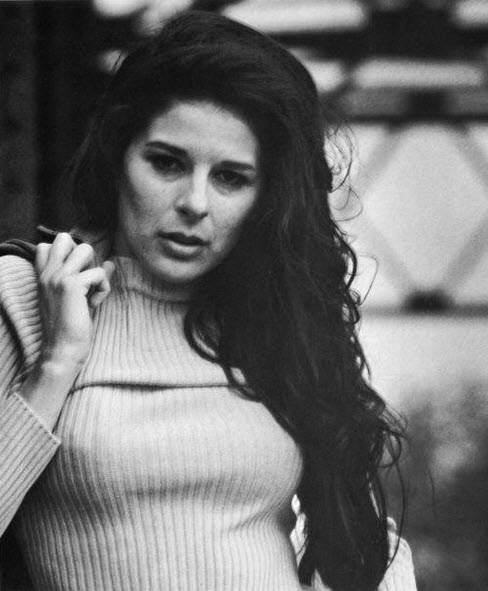
Today: Bobbie Gentry is 69

bobbie gentry

 Can a song be so perfect, so successful, that it eclipses its creator? It can if it’s Bobbie Gentry’s Grammy-winning 1967 chart-topper Ode to Billie Joe, one of the most elegantly powerful pieces of storytelling ever to travel the airwaves.
~Dorian Lynskey (The Guardian)

Ode to Billie Joe:

From Wikipedia:

Birth name Roberta Lee Streeter
Born July 27, 1944 (age 69)
Origin Chickasaw County, Mississippi, United States
Genres Country, pop, soul
Occupations Singer-songwriter
Instruments Vocals, guitar
Years active 1964–1978
Labels Capitol
Associated acts Glen Campbell

Roberta Lee Streeter (born July 27, 1944), professionally known as Bobbie Gentry, is an American former singer-songwriter notable as one of the first female country artists to compose and produce her own material. Her songs typically drew on her Mississippi roots to compose vignettes of the Southern United States.

Gentry shot to international fame with her intriguing Southern Gothic narrative “Ode to Billie Joe” in 1967. The track was fourth in the Billboard year-end chart of 1967 and earned her Grammy awards for Best New Artist and Best Female Pop Vocal Performance in 1968. Gentry charted eleven singles on the Billboard Hot 100 and four singles on the United Kingdom Top 40.  Her album Fancy brought her a Grammy nomination for Best Female Pop Vocal Performance. After her first albums, she had a successful run of variety shows on the Las Vegas Strip. She lost interest in performing in the late 1970s and has since lived privately in Los Angeles.

Bobbie Gentry remains one of the most interesting and underappreciated artists to emerge out of Nashville during the late ’60s. Best-known for her crossover smash “Ode to Billie Joe,” she was one of the first female country artists to write and produce much of her own material, forging an idiosyncratic, pop-inspired sound that, in tandem with her glamorous, bombshell image, anticipated the rise of latter-day superstars like Shania Twain and Faith Hill. ~Jason Alkeny (Allmusic)

Check out these fine articles:

Album of the day:

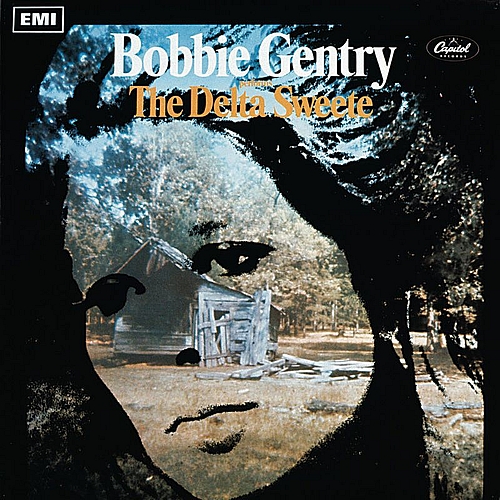
The Delta Sweete (1968)

The Delta Sweete is her second record and her masterpiece: a multi-faceted quasi-concept album about Gentry’s Mississippi delta roots.
~Dorian Lynskey (The Guardian)

bobbie gentry delta sweete

Other July-27:

Continue reading Today: Bobbie Gentry is 69

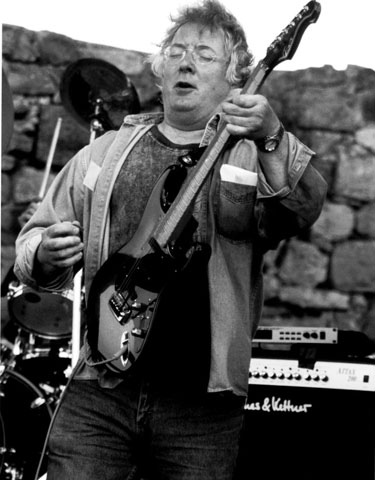
Today: Jim Armstrong is 69

From Wikipeida:

James ‘Jim’ Armstrong (born 24 July 1944, in Belfast, Co Antrim) is a guitarist from Northern Ireland.

Armstrong’s musical career started while he was still a schoolboy, when he played in Belfast’s top showband, The Melotones, who were resident in the city’s Romano’s Ballroom. Armstrong played and recorded in the mid-’60s with Van Morrison and Them, touring both Europe and America (where he lived – playing and recording – for 4 years). Of the 51 tracks recorded by Morrison and Them (1964–66), Armstrong played on over half, and while living in America met and played with Jim Morrison & The Doors, Captain Beefheart and Frank Zappa. During this time he was voted 3rd best guitarist in the world (after Jimi Hendrix & Frank Zappa).

Them:


Them were a Northern Irish band formed in Belfast in April 1964, most prominently known for the garage rock standard “Gloria” and launching singer Van Morrison’s musical career. The original five member band consisted of Morrison, Alan Henderson, Ronnie Millings, Billy Harrison and Eric Wrixon.The group was marketed in the United States as part of the British Invasion.

Them scored two UK hits in 1965 with “Baby, Please Don’t Go” (UK No.10) and “Here Comes the Night” (UK No.2; Republic of IrelandNo.2). The latter song and “Mystic Eyes”” were Top 40 hits in the US.

Them w/ Gloria:

Here is a youtube playlist with Jim Armstrong:

Other July-24:

Continue reading Today: Jim Armstrong is 69

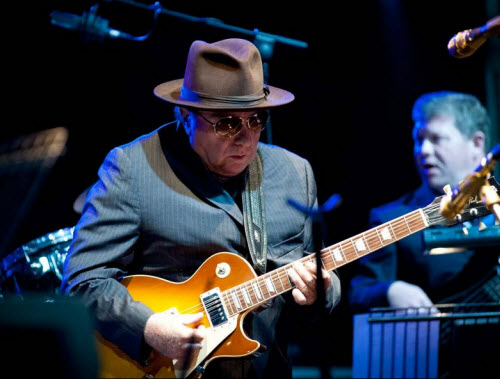
Van Morrison Summer Setlists, Statistics & videos – UPDATED

van morrison 201318-July-2013 – Hebridean Celtic Festival – Stornoway, Scotland

In order to prepare well for an upcoming Van Morrison concert @ Notodden Blues Festival in early August, I’ve collected setlists & put together some statistics from this summer’s concerts. Videos are also embedded in this post.

Summer Tour 2013

  • Castleward Bread Festival – May 26
  • Dunluce Castle 7th June, 2013
  • Dunluce Castle 8th June, 2013 —
  • Cornbury Festival, Oxford – July 7
  • Larmer Tree Festival, Salisbury – July 17
  • Heb Celt Festival, Stornoway – July 18
  • Slieve Donard Resort & Spa, Belfast – 21 July
  • Slieve Donard Resort & Spa, Belfast – 22 July
  • Notodden Blues Festival, Notodden (Norway) – 2 August

 Setlists – July:

Slieve Donard Resort & Spa, Belfast – 22 July

  1. Coney Island
  2. Celtic Excavation
  3. Into the Mystic
  4. In the Garden
  5. What Am I Living For
  6. Playhouse
  7. Sometimes We Cry
  8. Going Down to Monte Carlo
  9. Retreat and View
  10. Haunts of Ancient Peace
  11. Common One
  12. Enlightenment
  13. Thanks For The Information
  14. Baby Please Don’t Go/Rock Island Line/Boogie Chillin
  15. Help Me
  16. Gloria

Slieve Donard Resort & Spa, Belfast – 21 July

  1. Coney Island
  2. Higher Than The World
  3. Stranded
  4. Pay The Devil
  5. What Am I Living For
  6. Open The Door (To Your Heart)
  7. Have I Told You Lately
  8. Stormy Monday/Lonely Avenue
  9. Sometimes We Cry
  10. Playhouse
  11. Going Down to Monte Carlo
  12. Retreat and View
  13. Fame
  14. Too Many Myths
  15. Take Your Hand Outta My Pocket
  16. Whenever God Shines His Light
  17. Help Me
  18. Gloria

Heb Celt Festival, Stornoway – July 18

sorry… can’t find VM’s setlist for this concert…. yet…

Larmer Tree Festival, Salisbury – July 17

  1. Avalon Of The Heart
  2. Got To Go Back
  3. The Mystery
  4. Days Like This
  5. Baby Please Don’t Go
  6. Here Comes The Night
  7. Moondance
  8. What Am I Living For
  9. Playhouse
  10. Tupelo Honey
  11. Open The Door (To Your Heart)
  12. Sometimes We Cry
  13. Brown Eyed Girl
  14. In The Garden
  15. Haunts Of Ancient Peace
  16. Whenever God Shines His Light
  17. Help Me
  18. Gloria

Cornbury Festival, Oxford – July 7

  1. Only A Dream
  2. Precious Time
  3. Baby Please Don’t Go
  4. Days Like This
  5. Moondance
  6. Jackie Wilson Said
  7. Real Real Gone
  8. Here Comes the Night
  9. Have I Told You Lately
  10. Help Me
  11. My Pagan Heart
  12. I Can’t Stop Loving You
  13. Crazy Love
  14. Whenever God Shines His Light
  15. Brown Eyed Girl
  16. Gloria

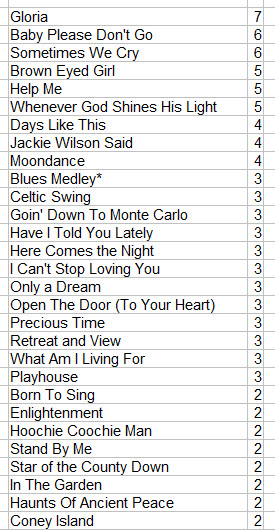
Statistics – after 7* concerts:

*8 concerts played, but I miss one setlist..

van morrison statistikk

The clips from this tour shows he’s in excellent form… 

Today: Elvis Presley released “That’s All Right” in 1954 – 59 years ago

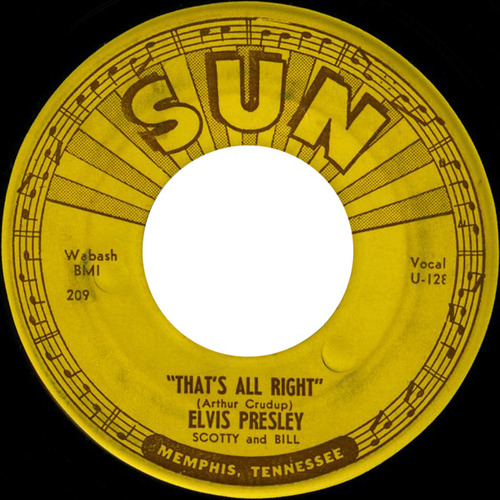
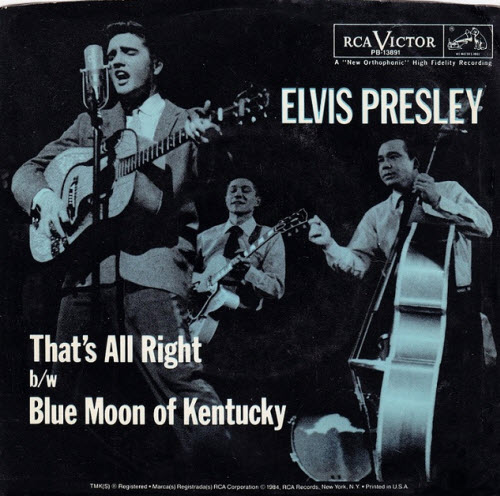
elvis presley that's all right single

In 2004, Elvis Presley’s “That’s All Right Mama” and Bill Haley’s “Rock Around the Clock” both celebrated their 50th anniversaries. Rolling Stone Magazine felt that Presley’s song was the first rock and roll recording. At the time Presley recorded the song, Big Joe Turner’s “Shake, Rattle & Roll”, later covered by Haley, was already at the top of the Billboard R&B charts. The Guardian felt that while there were rock’n’roll records before Presley’s, his recording was the moment when all the strands came together in “perfect embodiment”. (wikipedia)

“A lot of people seem to think I started this business, but rock ‘n’ roll was here a long time before I came along. Nobody can sing that kind of music like colored people. Let’s face it; I can’t sing it like Fats Domino can. I know that. But I always liked that kind of music.”
~Elvis Presley

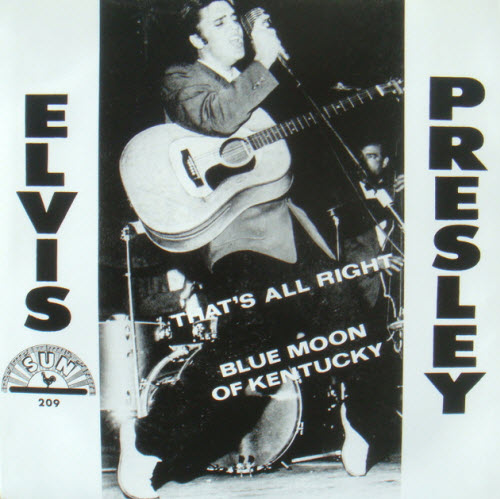
elvis presley that's all right single2

Wikipedia:

B-side “Blue Moon of Kentucky”
Released 19 July 1954
Format 7″ single
Recorded 5 July 1954
Genre Rockabilly
Length 1:57
Label Sun
Writer(s) Arthur Crudup
Producer Sam Phillips

That’s All Right” is the name of the first commercial single released by Elvis Presley, written and originally performed by blues singer Arthur Crudup. Presley’s version was recorded on 5 July 1954, and released on 19 July 1954 with “Blue Moon of Kentucky” as the B-side. It is #112 on the 2004 Rolling Stone magazine list of the “500 Greatest Songs of All Time”.

Arthur Crudup – That’s All Right (original version):

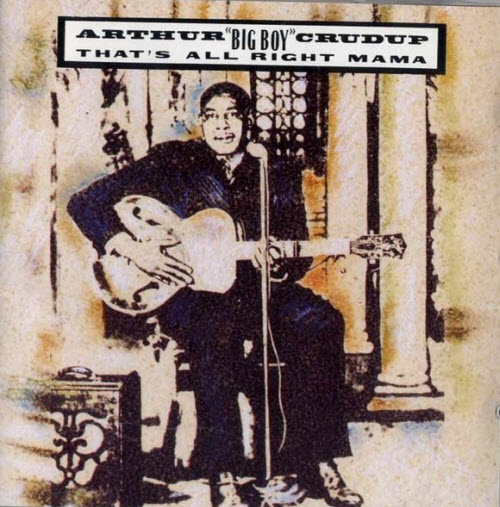
arthur crudup

The song was written by Arthur “Big Boy” Crudup, and originally recorded by him in Chicago on 6 September 1946, as “That’s All Right”. It was released as a single on RCA Victor 20-2205, but was less successful than some of Crudup’s previous recordings. In early March 1949, the song was re-released under the title, “That’s All Right, Mama” (RCA Victor 50-0000), which was issued as RCA’s first rhythm and blues record on their new 45 rpm single format, on bright orange vinyl.

Elvis Presley’s version was recorded in July 1954, and released with “Blue Moon of Kentucky” as the B-side. Its catalogue number was Sun 209. The label reads “That’s All Right” (omitting “Mama” from the original title), and names the performers as Elvis Presley,Scotty and Bill. Arthur Crudup was credited as the composer on the label of Presley’s single, but Crudup had to wait until the 1960s when he received an estimated $60,000 in back royalties. Crudup used lines in his song that had been present in earlier blues recordings, including Blind Lemon Jefferson’s 1926 song That Black Snake Moan”.

elvis presley that's all right single

Live @ NBC Studio’s 1968:

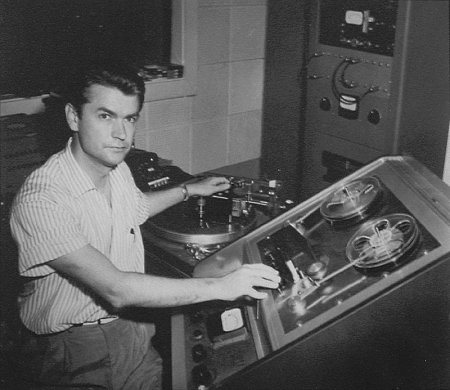
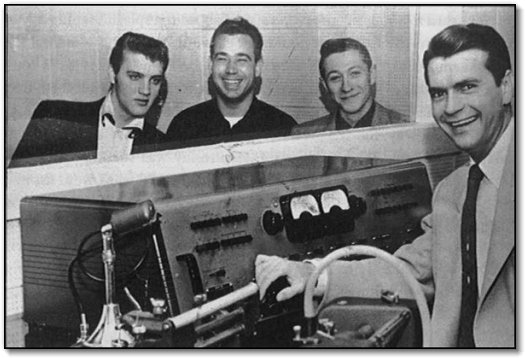
During an uneventful recording session at Sun Studios on the evening of July 5, 1954, Presley, Moore, and Black were taking a break between recordings when Presley started fooling around with an up-tempo version of Arthur Crudup’s song “That’s All Right, Mama”. Black began joining in on his upright bass, and soon they were joined by Moore on guitar. Producer Sam Phillips, taken aback by this sudden upbeat atmosphere, asked the three of them to start again so he could record it.

sam phillips prestoampex

Black’s bass and guitars from Presley and Moore provided the instrumentation. The recording contains no drums or additional instruments. The song was produced in the style of a “live” recording (all parts performed at once and recorded on a single track). The following evening the trio recorded “Blue Moon of Kentucky” in a similar style, and it was selected as the B-side to “That’s All Right”.

Upon finishing the recording session, according to Scotty Moore, Bill Black remarked, “Damn. Get that on the radio and they’ll run us out of town.

Elvis Sam Phillips Scotty moore Bill blackAt Sun

Sam Phillips gave copies of the record to local disc jockeys Dewey Phillips (no relation) of WHBQ, Uncle Richard of WMPS, and Sleepy Eyed John Lepley of WHHM. On July 7, 1954, Dewey Phillips played “That’s All Right” on his popular radio show “Red, Hot & Blue”. 

Interest in the record was so intense that Dewey reportedly played the record 14 times and received over 40 telephone calls. Presley was persuaded to go to the station for an on-air interview that night. 

“That’s All Right” was officially released on July 19, 1954, and sold around 20,000 copies. This number was not enough to chart nationally, but the single reached number four on the local Memphis charts.

Live – That’s The Way It Is (1970):

Album of the day – Sunrise:

elvis_presley-sunrise-front

Other July 19:

Continue reading Today: Elvis Presley released “That’s All Right” in 1954 – 59 years ago