OLD post … You’re being redirected to a newer version……
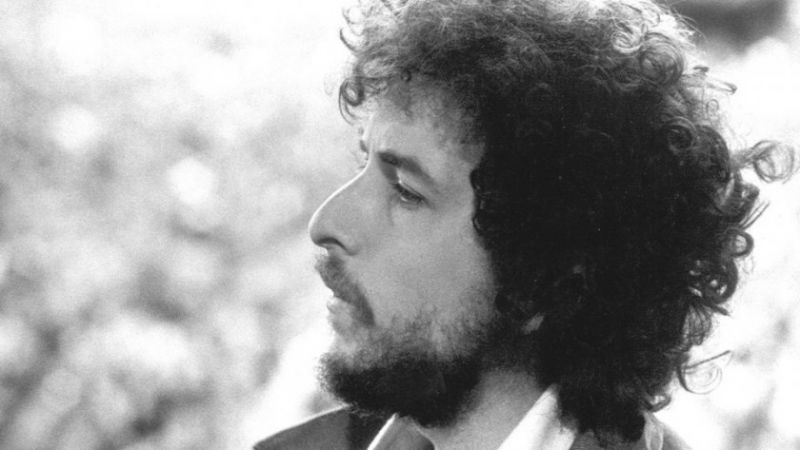
This is a collection of published posts @ JV including videos of Bob Dylan.
It will be updated along the way..
If you like what you see… please consider a “like” at our FP page:
Concerts:
- Newport, Rhode Island 25 July 1965 (Electric controversy)
- NEW – Bob Dylan & The Band at Isle of Wight 1969 (video clip w/great sound)
- Bob Dylan & George Harrison – New York City, New York – 1 August 1971
- WTTW-TV Studios Chicago, Illinois – 10 September 1975
- Winterland, San Francisco – 25 November 1976
- The Last Waltz with The Band and friends was recorded in 1976
- NBC Studios – New York City – 20 October 1979
- Massey Hall, Toronto, Ontario, Canada – 20 April 1980
- Letterman – New York City – 22 March 1984
- Opera House, Washington – 20 January 1986
- East Troy, Wisconsin – 18 June 1988 (full concert video)
- Atlanta, Georgia – 25 July 1988 (full concert video)
- Frejus, France – 13 June 1989 (Video – almost complete show)
- Bob Dylan & Van Morrison – Philopappos (The Hill Of The Muses) – Athens, Greece – 27 June 1989
- Troy, New York 27 October 1989
- Seville, Spain – 17 October 1991 (Full concert video)
- NEW – Gothenburg, Sweden – 28 June 1992
- Woodstock ‘94 – Saugerties, New York – 14 August 1994
- Bob Dylan second MTV unplugged taping session – 18 Nov 1994
- Cardiff International Centre Arena, Cardiff, Wales – 27 March 1995
- Kongresový sál Palác kultury – Prague, Czech Republic – 11 March 1995
- Cardiff International Centre Arena, Cardiff, Wales – 27 March 1995
- Brixton Academy, London, England – 31 March 1995
- Aston Villa Leisure Centre – Birmingham, England – 2 April 1995 (Videos)
- Hyde Park – London, England – 29 June 1996
- Guildhall Portsmouth, England 25 September 2000
- King’s Dock Liverpool, England 12 July 2001
- NEW – Stirling, Scotland 13 July 2001 (Full concert video)
- Hammersmith – London, England – 24 November 2003 (Videos)
- Glasgow, Scotland 23 June 2004 (full concert video)
- Manchester, England 10 October 2011 (full concert video)
- NEW – videos from Oslo October 10 2013
- NEW – Stockholm Waterfront Auditorium on October 12, 2013
Single videos & Other:
- North Country Blues – Newport, Rhode Island – 27 July 1963
- To Ramona – Sheffield, England – 30 April 1965
- Ballad of a Thin Man – (maybe) 1 May 1966
- I Threw It All Away – Johnny Cash Show – 1 May 1969
- Bob Dylan & The Band: Hero Blues, Chicago, Illinois 3 January 1974
- NEW – Isis – Montreal, Quebec, 4 December 1975
- NEW – Isis, Clearwater, Florida 22 April 1976
- Like A Rolling Stone, Clearwater, Florida 22 April 1976
- Just Like A Woman, Clearwater, Florida 22 April 1976
- The Times They Are A-Changin’, Clearwater, Florida 22 April 1976
- I Dreamed I Saw St. Augustine, Clearwater, Florida 22 April 1976
- Idiot Wind – Hughes Stadium – Fort Collins, Colorado – 23 May 1976
- Hazel @ Winterland, San Francisco – 25 November 1976
- Changing of the Guards, Augusta, Maine 15 September 1978
- Heart Of Mine – Avignon, France 25 July 1981
- NEW – License To Kill, Studio A, Power Station, NYC April/May 1983 (rare Video)
- Bob Dylan, Joan Baez & Carlos Santana: Blowin’ In The Wind, Hamburg, West Germany 31 May 1984
- Blowin’ In The Wind – Barcelona – 28 June 1984
- Farm Aid 1985 – True Confession Tour part1 (Videos)
- Far East Leg – True Confession Tour part 2 (Videos, Audio, and more)
- US Summer Tour 1986 – True Confession Tour part 3 (Videos, Audio, and more)
- Like A Rolling Stone + long intro – East Rutherford, NJ – 21 July 1986
- Tomorrow Is A Long Time – Roma Palaeur – Rome, Italy – 3 October 1987
- A House of Gold – Madrid, Spain – 15 June 1989
- Simple Twist of Fate – Madrid, Spain – 15 June 1989
- Bob Dylan & Willie Nelson performing together
- One More Cup Of Coffee (Valley Below), London, England 4 February 1990
- I Want You – Hammersmith, London 8 February 1990
- Where Teardrops Fall, London, England 8 February 1990
- Every Grain of Sand – London, England – 8 February 1990
- Desolation Row & Hattie Carroll, Hamburg, Germany 3 July 1990
- NEW – The Man In Me, Dublin, Ireland 5 February 1991
- Shelter From The Storm – München, Germany – 21 June 1991
- Don’t Think Twice, It’s All Right München 21 June 1991
- Like A Rolling Stone – 18 January 1992
- Bob Dylan & “Swiss Liz” – The Times They Are A-Changin’ – Eindhoven – 17 February 1993
- Tomorrow Night – Los Angeles, California – 23 March 1994
- Mama, You Been On My Mind – Besançon, France 4 July 1994
- It Ain’t Me Babe – Woodstock ‘94 – 14 August 1994
- God Knows – West Point, New York – 15 October 1994
- License To Kill – 13 March 1995 in Prague
- Bob Dylan & Bruce Springsteen – Forever Young – Cleveland, Ohio – 2 September 1995
- Bob Dylan & Patti Smith: Dark Eyes, December 1995 (Video & Audio)
- Bob Dylan sings Old Man by Neil Young
- Shooting Star – Indiana, Pennsylvania – 22 April 1997
- My Back Pages – Utica, New York 24 April 1997
- Long Black Veil, Wheeling, West Virginia 28 April 1997
- Knockin’ On Heaven’s Door & Hard Rain – Bologna, Italy 27 September 1997
- Bob Dylan & Rick Danko: This Wheel’s On Fire, Wallingford, Connecticut 18 August 1997
- Man In The Long Black Coat – Bournemouth, England 1 October 1997
- ‘Til I Fell In Love With You – Irving Plaza, New York City, 1997
- NEW – Tangled Up In Blue, New York City, 21 January 1998
- If You See Her, Say Hello , Los Angeles, California 22 May 1998
- Love Minus Zero/No Limit, Newcastle, England 20 June 1998
- Train of Love – New York City, New York – Early April 1999
- Just Like A Woman – Valencia, Spain – 15 April 1999
- Masters Of War – Portland, Oregon – 12 June 1999
- Bob Dylan & Eric Clapton – Don’t Thin Twice, It’s All Right – 30 June 1999
- Bob Dylan & Eric Clapton – Crossroads – Madison Square Garden, New York City – 30 June 1999
- Not Dark Yet – Albany, New York – 20 July 1999
- Big River (Johnny Cash) – Baltimore, Maryland – 8 November 1999
- Ring Them Bells – Baltimore, Maryland – 8 November 1999 (Video)
- The Ballad Of Frankie Lee And Judas Priest – Cardiff, Wales – 23 September 2000
- “Watching The River Flow” Cardiff, Wales 23 September 2000
- Blind Willie McTell – Manchester, England – 9 May 2002
- Brown Sugar – Madison Square Garden – New York City, New York – 11 November 2002
- Every Grain of Sand – Boston, Massachusetts – 16 November 2002
- Bob Dylan & Norah Jones – I Shall Be Released – 16 July 2005
- Don’t Think Twice, It’s All Right – Globe Arena – Stockholm – 28 March 2007
- Workingman’s Blues #2 – Vienna, Austria 10 June 2008
- Do Re Mi (Woody Guthrie) – LA Jan 2009
- The Times They Are A-Changin’ – Washington, District Of Columbia – 11 February 2010
- Can’t Wait – Milan, Italy – 22 June 2011
- Beyond Here Lies Nothin’ Odense, Denmark 27 June 2011
- Simple Twist of Fate – Oslo, Norway – 30 June 2011
- Bob Dylan – Nettie Moore – Berlin, Germany – 29 October 2011
- Dylan & Mark Knopfler – Things Have Changed – 12 November 2011
- Blind Willie McTell – Hollywood Palladium Theater – 12 January 2012
- Simple Twist Of Fate – Bonn, Germany – 4 July 2012
- Soon after Midnight – Barclays Center – Brooklyn – 21 November 2012
- Pay In Blood – California, Pennsylvania – 13 April 2013
- Scarlet Town – Different Live versions 2012/2013 (Video & Audio)
- Early Roman Kings – Different Live Versions (Audio & Video)
- Love Sick – St. Paul, Minnesota – 10 July 2013
- Blind Willie McTell – Columbia, Maryland – 23 July 2013
- NEW – Hamburg October 2013 (videos)
- NEW –Berlin, Germany October 24, 2013 (Videos)
Other:
- Bob Dylan & Van Morrison performing together (videos)
- Getting To Dylan – Essential BBC Documentary from 1986 (Full Video)
- Bob Dylan – The Never Ending Narrative 1990 – 2006 (Videos)
- Bob Dylan & The Band – Down In The Flood (2012) DVD
- The True History of the Traveling Wilburys (Video documentary) (2007)
-Egil